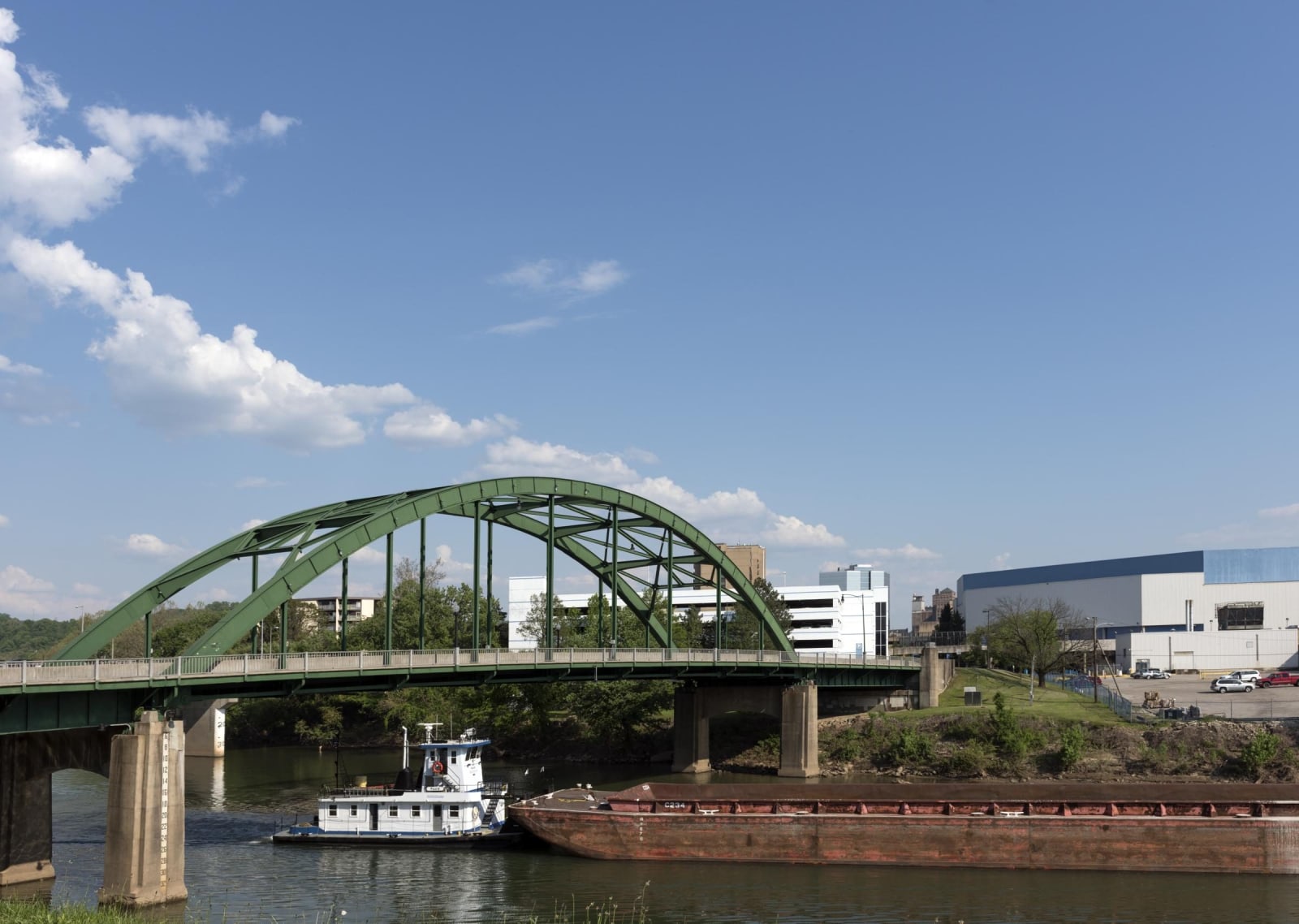
Charleston & the Kanawha Valley
The Kanawha Valley around Charleston: the capitol and state museum, Malden's salt works and Booker T. Washington, West Virginia State, and the Paint Creek mine war.
Long before Charleston, this valley belonged to the peoples who hunted its salt licks and fished its rivers. Burial mounds once stood across the bottomland where the city now spreads, most of them long since destroyed, and the Shawnee, who held these hills as hunting lands and fought for them into the 1790s, left a name for the Elk: a river of plenty fat elk. The brine that drew animals to the Great Buffalo Lick at Malden built the Kanawha Salines, where up to 1,500 enslaved people made salt before the Civil War.
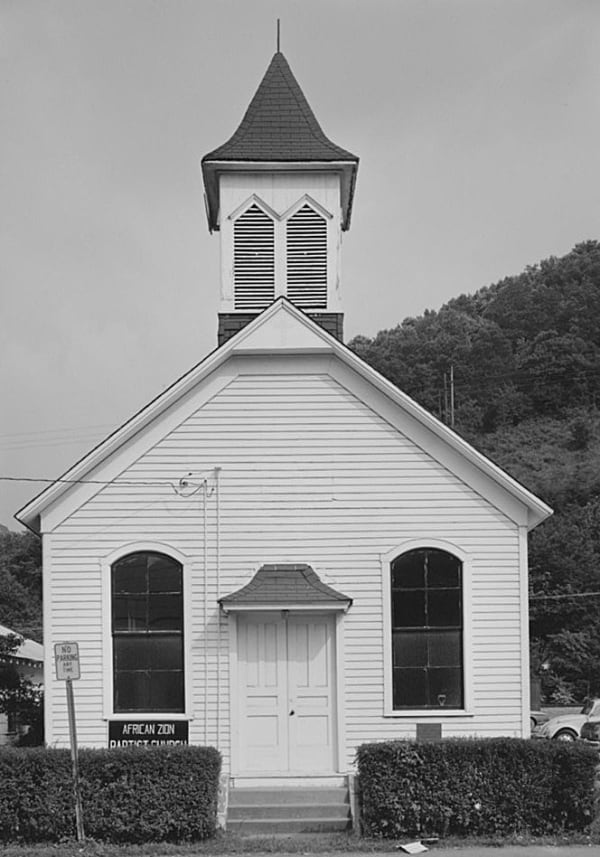
Freedom built its institutions on that ground. Booker T. Washington came to Malden at nine, newly free, and taught Sunday school at African Zion Baptist Church. Mary Barnes, once enslaved at Institute, won the land her daughter sold for West Virginia State University, and Charleston's Black students went to Garnet High School. On Paint Creek and Cabin Creek in 1912 and 1913, miners struck for their union, and Mother Jones was held under martial law at Pratt.
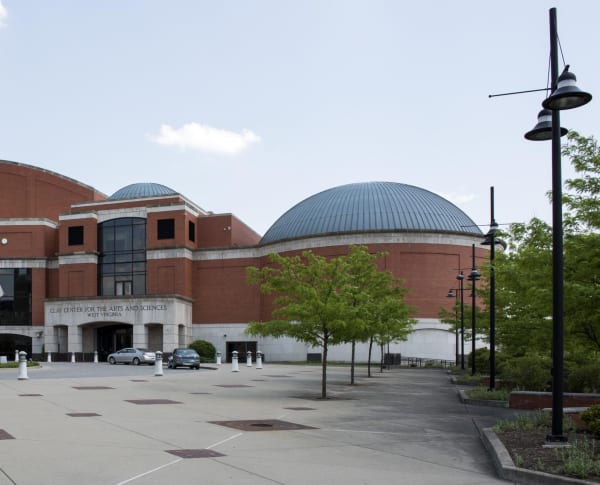
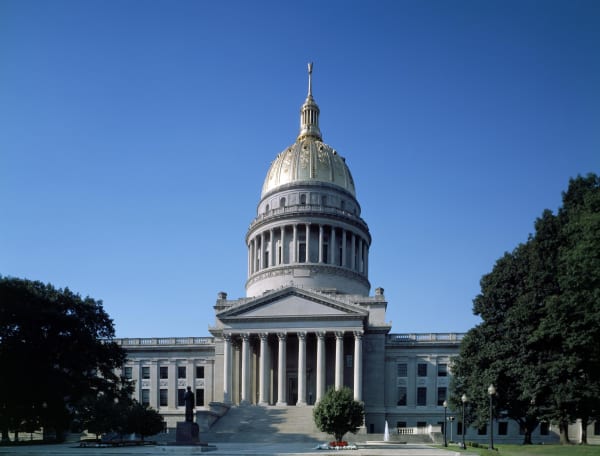
Today the gilded dome of Cass Gilbert's capitol rises over the Kanawha beside the state museum, where Mountain Stage is taped. South of town, Kanawha State Forest has grown back over old mines; up the Elk, a 1905 railroad grade carries the Elk River Trail through Clay, and each Fourth of July the Mountain State Art & Craft Fair fills Cedar Lakes near Ripley.
What to See in Charleston & the Kanawha Valley
11 places across the region, grouped by what they are.
Natural Areas
Hikes & Trails
Historic Sites
Towns & Gateways
Architecture
Industry & Mining
Charleston & the Kanawha Valley rewards the unhurried. Pick a base, fan out, and let the country between the headline stops surprise you.
← Explore more of Open Road Guide