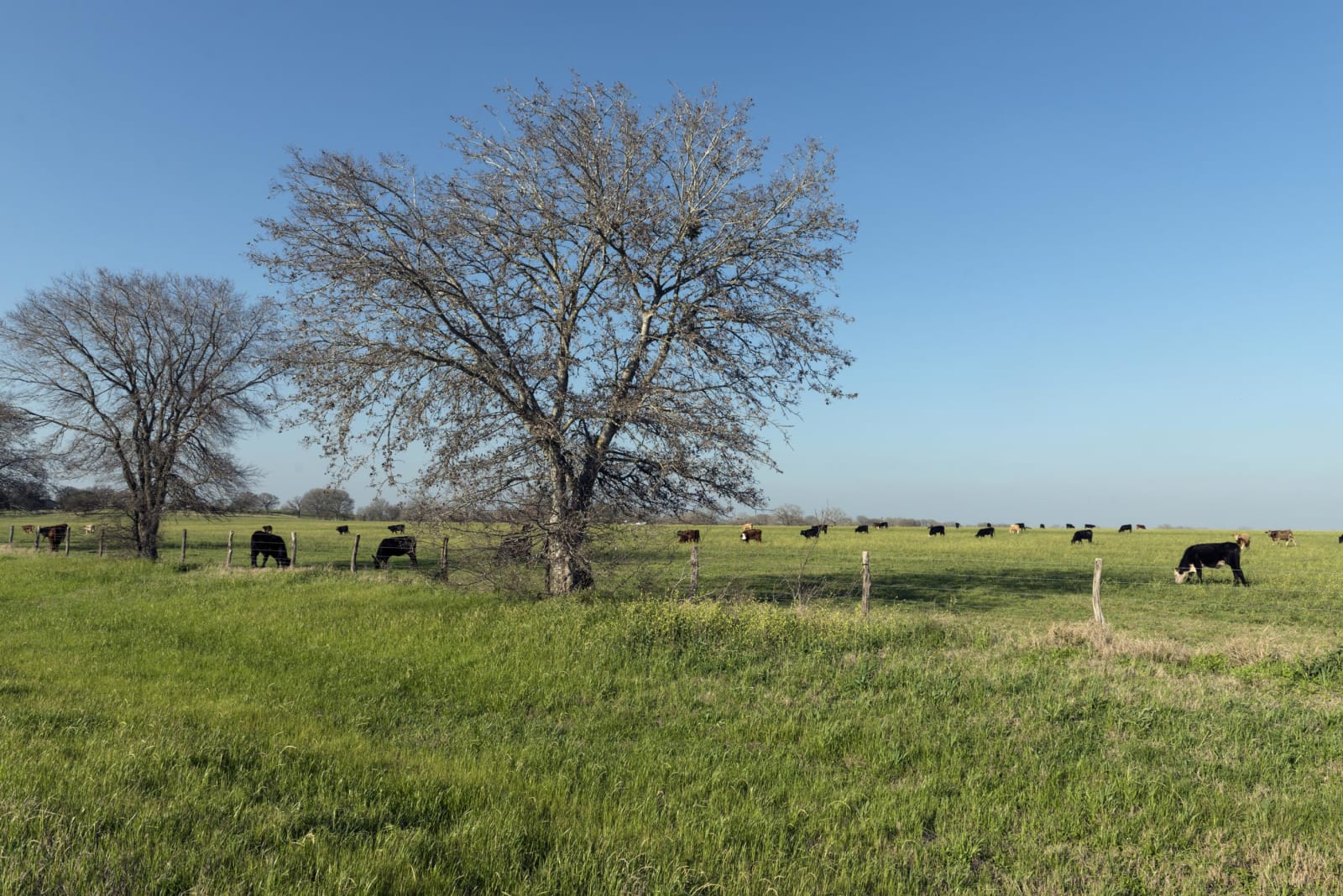
Washington-on-the-Brazos & the Brazos Valley
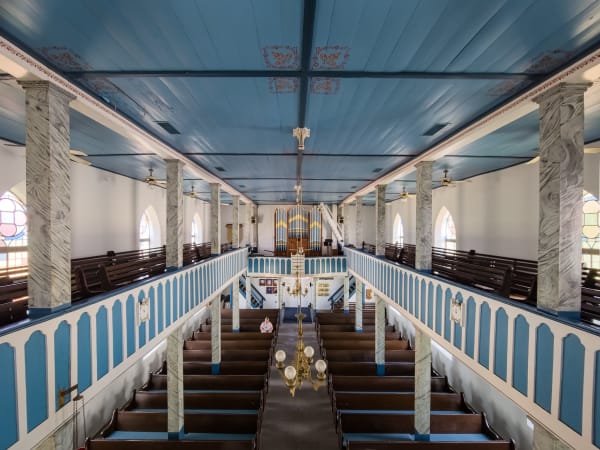
Washington-on-the-Brazos and Independence Hall, Barrington farm, the Fanthorp Inn, old Baylor at Independence, Navasota, Calvert, the Bush library and Serbin.
Washington grew at a ferry on the La Bahia crossing of the Brazos, and on March 1, 1836, delegates met there in an unfinished building. They adopted the Texas Declaration of Independence on March 2, wrote a constitution, and fled on March 17 as Santa Anna's army came on. Washington was the capital again from 1842 to 1845, when Anson Jones was the Republic's last president, and then faded after the railroads passed it by. The state historic site holds the townsite, Independence Hall, the Star of the Republic Museum and Jones's Barrington farm.
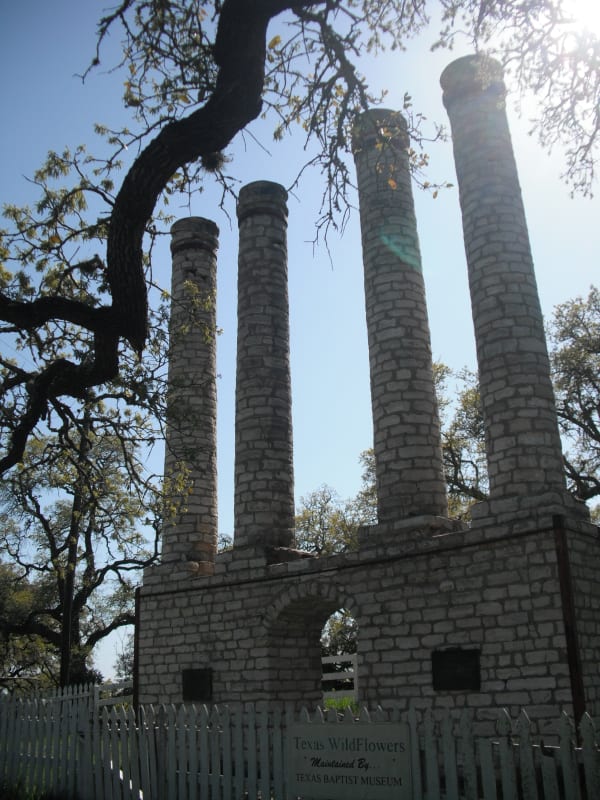
The old La Bahia Road ran on east across the Navasota River. Henry Fanthorp's inn at Anderson took travelers from the 1830s, and Navasota grew at the crossing, where four stage lines stopped by the mid-1850s. North of Brenham, Independence, then the richest town in Texas, won Baylor University, which opened there in 1846, and Sam Houston was baptized in a creek nearby in 1854.
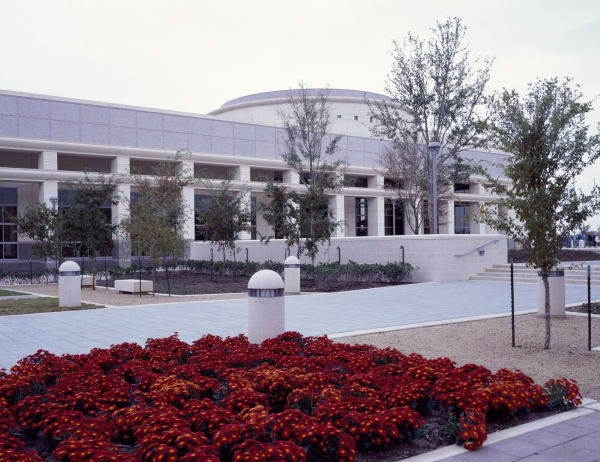
Cotton built these counties on the labor of enslaved people. In Robertson County their number grew from 264 to 2,258 in the 1850s, and Calvert later claimed the largest cotton gin in the world. Bryan and College Station hold Texas A&M and the George Bush library. To the west, more than 500 Wends from Lusatia followed Pastor John Kilian to Serbin in Lee County in 1854.
What to See in Washington-on-the-Brazos & the Brazos Valley
9 places across the region, grouped by what they are.
Natural Areas
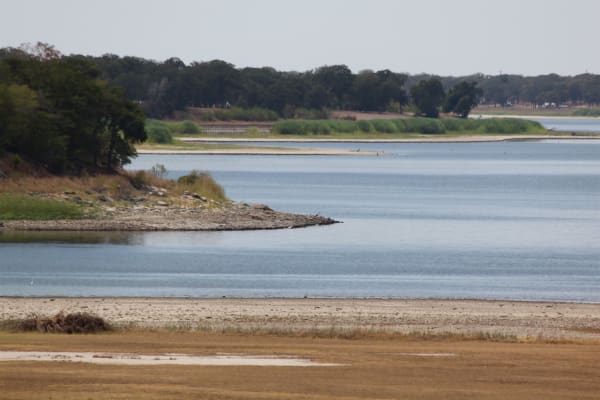
Historic Sites
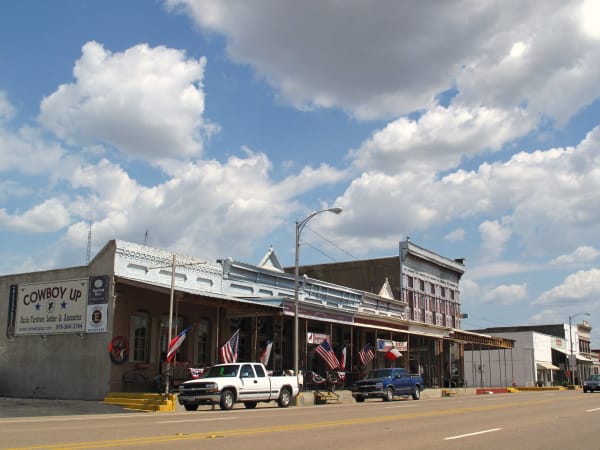
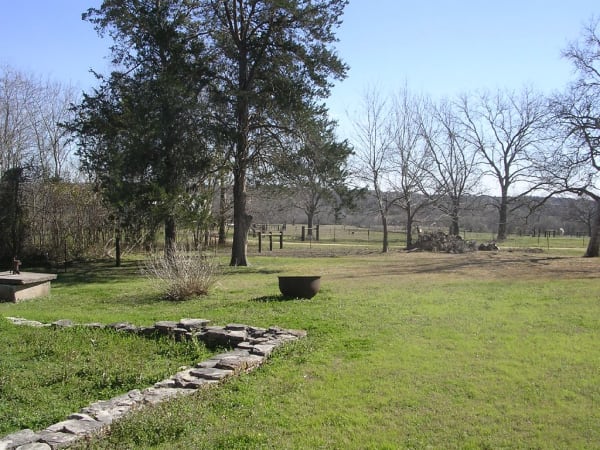
Towns & Gateways
Washington-on-the-Brazos & the Brazos Valley rewards the unhurried. Pick a base, fan out, and let the country between the headline stops surprise you.
← Explore more of Open Road Guide