Augusta & the Savannah River
Augusta and the Savannah River: Laney and James Brown, Springfield Baptist and the 1970 uprising, Kettle Creek, Liberty Hall and Camp Lawton at Magnolia Springs.
Augusta began in 1736 as a trading town at the falls of the Savannah, where skins and furs from the Muscogee (Creek) came down to the river, and the Augusta Museum of History opens with the Stallings Island people who made North America's oldest pottery just upstream. A 1773 treaty took the land north to the Broad River from the Muscogee and Cherokee, and at Kettle Creek in 1779 settlers on those Ceded Lands fought over who would rule it.
Broad Street carried the cotton enslaved people grew, and Black laborers finished the canal that powered the mills. Springfield Baptist, rooted at Silver Bluff in 1773, hosted the founding of the Georgia Equal Rights Association in 1866 and the school that became Morehouse; Lucy Craft Laney built the Haines Institute nearby; and James Brown grew up downtown. In May 1970, after Charles Oatman was killed in the county jail, police killed six unarmed Black men in the uprising that followed.
Out in the country, Liberty Hall in Crawfordville was home to Alexander Stephens, who called slavery the Confederacy's cornerstone, and to the people he enslaved there. At Magnolia Springs the clear spring that drew Camp Lawton's builders still runs past the prison's earthworks, and Phinizy Swamp and Mistletoe State Park on Clarks Hill Lake give the rivers back to walkers and anglers.
What to See in Augusta & the Savannah River
10 places across the region, grouped by what they are.
Natural Areas
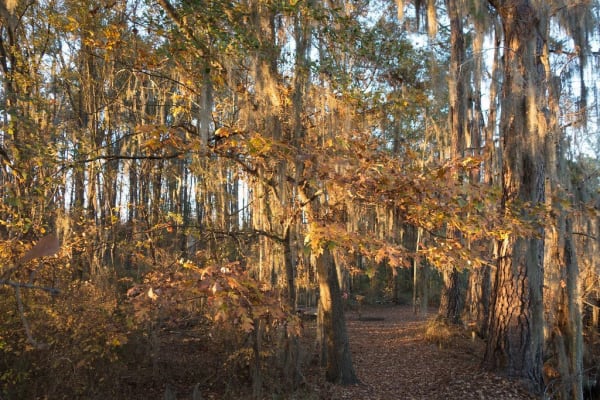
Hikes & Trails
Historic Sites

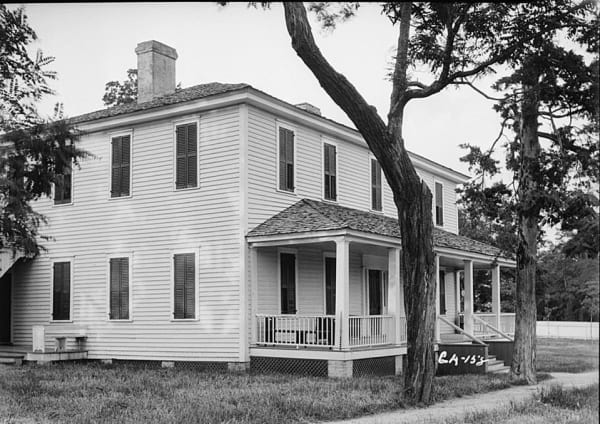
Towns & Gateways
Industry & Mining

Augusta & the Savannah River rewards the unhurried. Pick a base, fan out, and let the country between the headline stops surprise you.
← Explore more of Open Road Guide