Alexandria & the Avoyelles Prairie
Tunica-Biloxi museum, Solomon Northup's Epps cottage and courthouse, Kent House, Frogmore and Forts Randolph and Buhlow in Louisiana's Alexandria and Avoyelles Prairie.
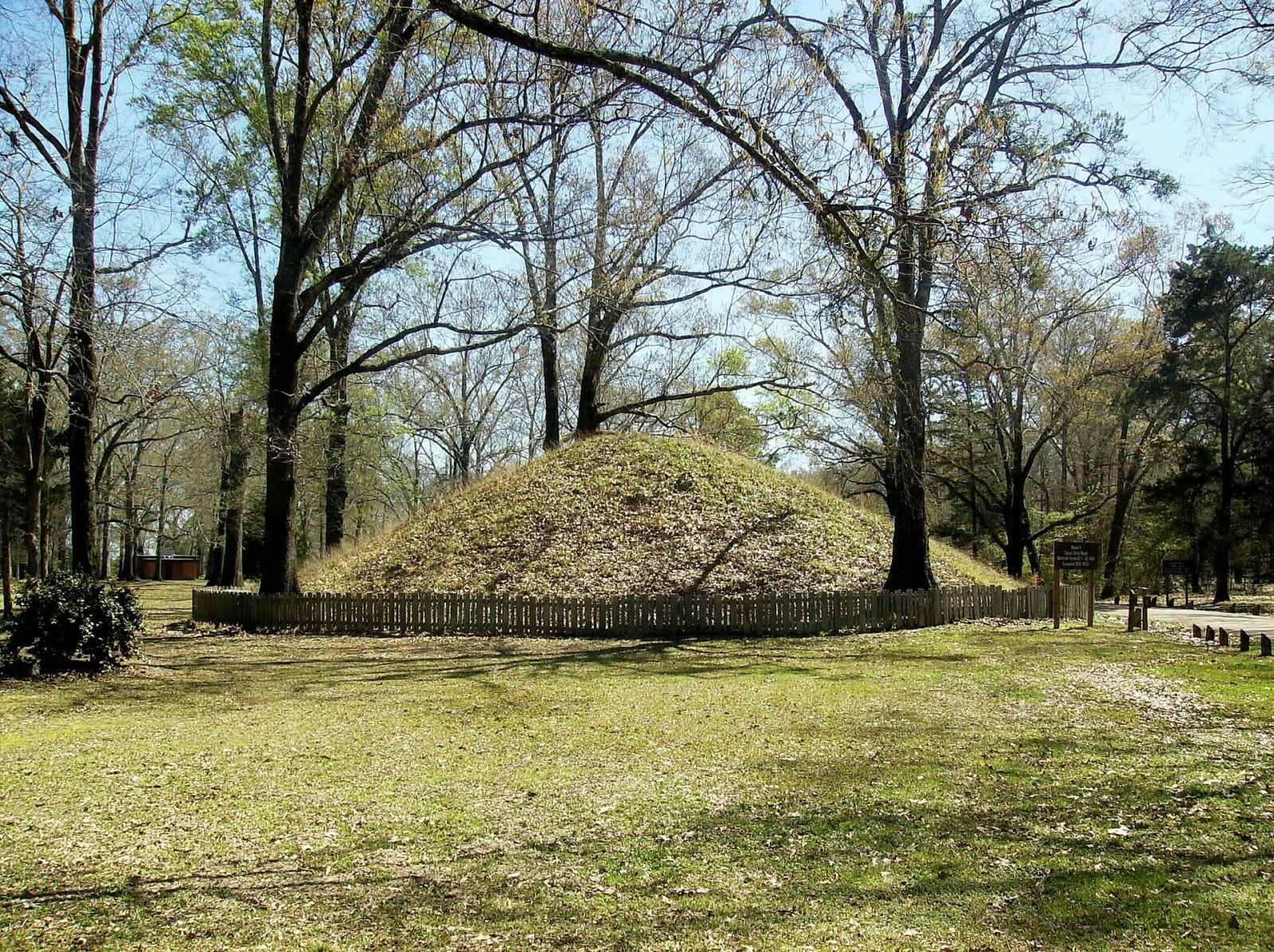
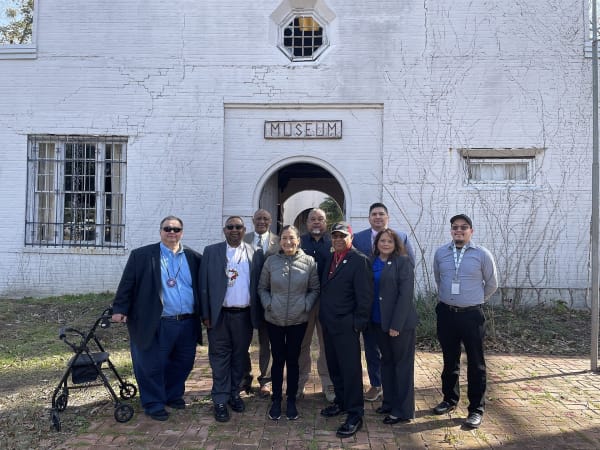
The Tunica-Biloxi Tribe of Louisiana, successor to the Tunica, Biloxi, Ofo and Avoyel peoples, has its reservation south of Marksville. Its museum holds the Tunica Treasure, grave goods left between 1731 and 1764 that the tribe regained in the late 1980s, and in 2022 the tribe took back the 42-acre Marksville mounds site. At Catahoula Lake, hundreds of thousands of ducks and shorebirds are regularly counted in early November.
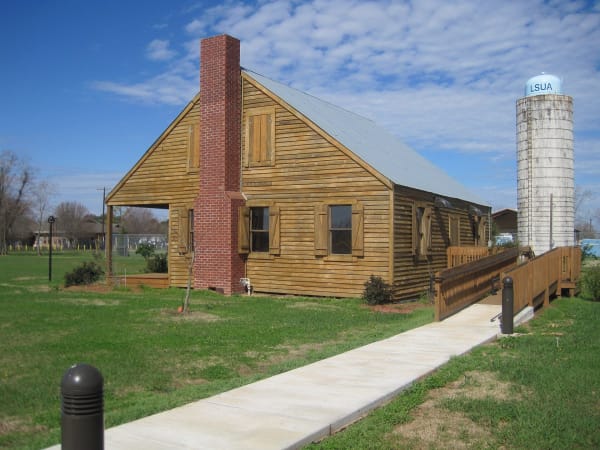
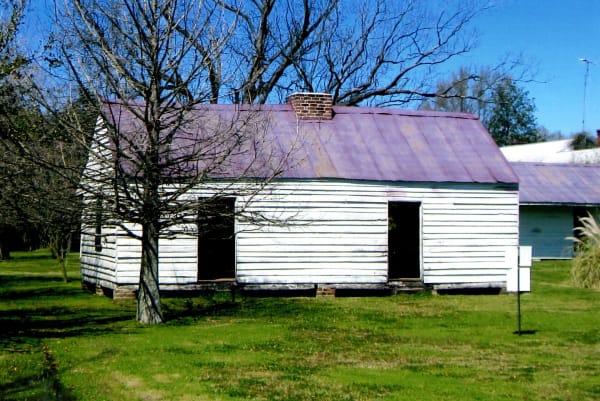
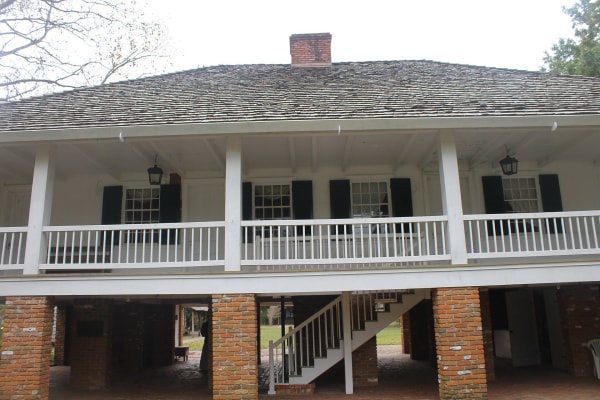
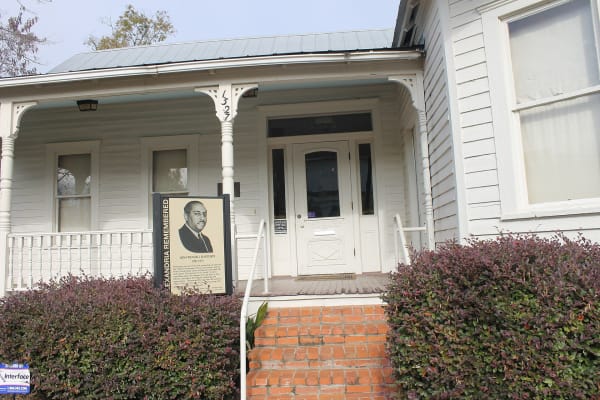
Solomon Northup's years of enslavement run through the region: the cottage he helped build for Edwin Epps, now at LSU Alexandria, and the Marksville courthouse where he was freed on January 4, 1853, both on the 83-mile Northup Trail. Enslaved brickmakers left their fingerprints at Kent House, enslaved people built the walls at Forts Randolph and Buhlow, and a cabin at Frogmore, home to about 159 enslaved people, displays the words of formerly enslaved Louisianans.
Alexandria is also where Arna Bontemps was born in 1902, and Camp Beauregard's museum covers the 1940-41 Louisiana Maneuvers and the 761st Tank Battalion, a Black unit. Civilian Conservation Corps crews dug Valentine Lake in the 1930s. At Vidalia a riverwalk follows the line of the old town, moved in 1938 when the Army Corps of Engineers said a river cutoff required it.
What to See in Alexandria & the Avoyelles Prairie
11 places across the region, grouped by what they are.
Natural Areas
Hikes & Trails
Historic Sites
Towns & Gateways
Attractions
Stories from Alexandria & the Avoyelles Prairie
Alexandria & the Avoyelles Prairie rewards the unhurried. Pick a base, fan out, and let the country between the headline stops surprise you.
← Explore more of Open Road Guide