 Billmeguire / CC0 via Wikimedia Commons
The Story
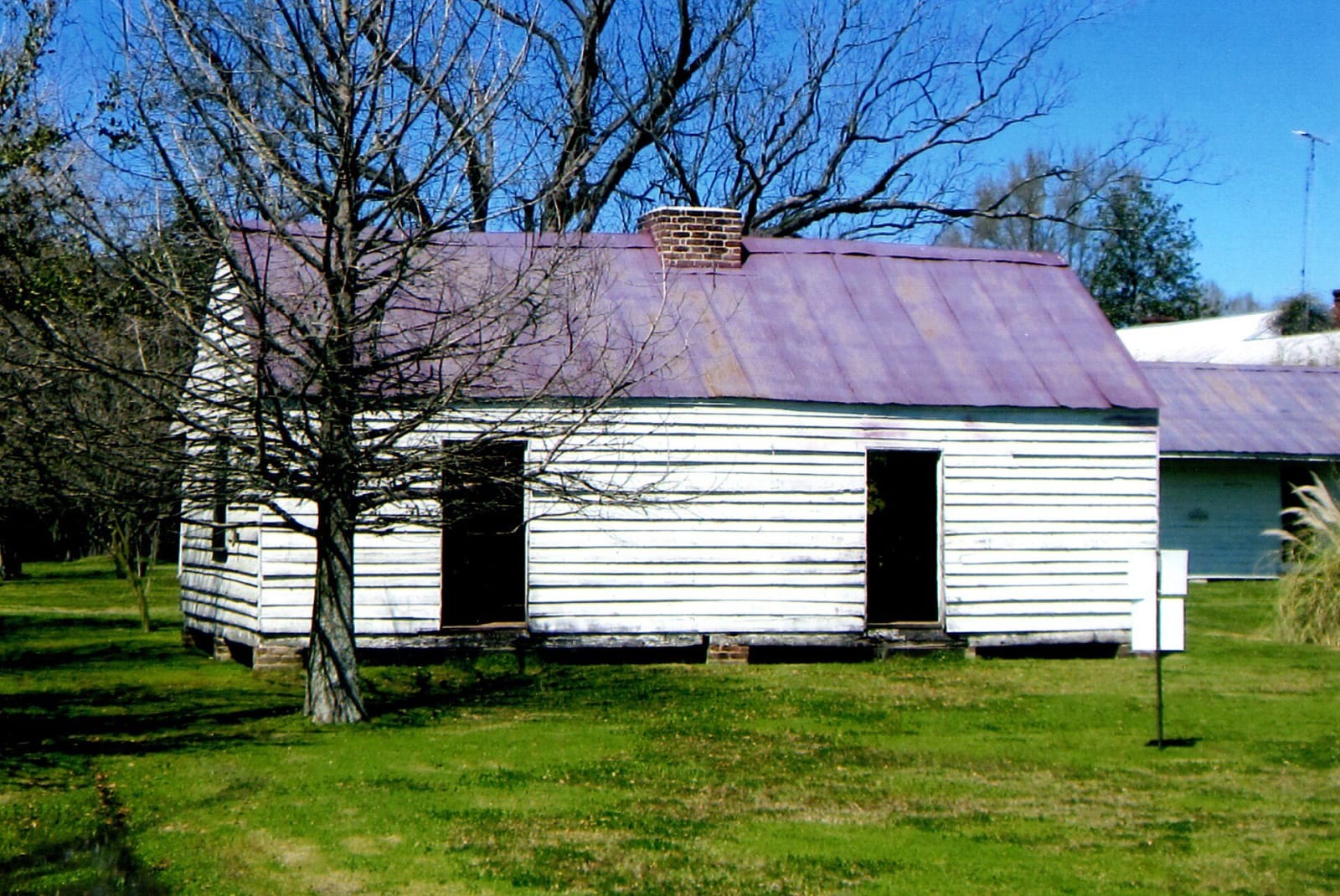
Frogmore was home to about 159 enslaved people, according to Explore Louisiana. Daniel Morris began the farm around 1815 on an early wagon trail between Natchez and Natchitoches, and by the Civil War it covered 2,640 acres. William Gillespie inherited it in 1855. The tours cover the laws that governed slavery here, the customs and music of the enslaved, including songs they used to pass messages in secret, and the quarters, overseer's cottage and plantation store among 19 restored buildings dating from 1790 to 1900.
Owner Lynette Tanner drew on 1930s Federal Writers' Project interviews of formerly enslaved Louisianans, published as Chained to the Land: Voices from Cotton and Cane Plantations (2014), and one cabin displays quotes from them. Fox 8 names Mary Reynolds, interviewed at 105 about slavery in Concordia Parish. The grounds also hold a mound about 14 feet high and 200 feet long, built over a walled structure whose purpose is unclear and listed on the National Register in 2004. A fire destroyed the main house on July 26, 2019.
Frogmore is still a cotton farm of about 1,800 acres, and a modern computerized gin runs beside a rare steam-engine gin. Tours take about 90 minutes and start when you arrive, but must finish by closing, so arrive at least 90 minutes before closing. Hours change with the season, and groups can book any time.
Visitor Info
On the Map
Nearby
The closest stops worth working into your route
Historical markers nearby
Roadside plaques and monuments within a short detour