 Brandonrush / Public domain via Wikimedia Commons
The Story
Rosedown was built by enslaved people and kept running by them, and what survives about who they were was mostly written by their owners. The Turnbulls owned 347 enslaved people in 1850, according to 64 Parishes. The National Historic Landmark nomination counts 145 enslaved people living in 25 houses at Rosedown in 1860, within 444 held by Daniel Turnbull on three West Feliciana plantations, and 167 at Rosedown at his death in 1861. The state site puts the peak at about 450. The 1862 succession list gives names, ages and prices: Old Jim, a carpenter of 65; Old Adam, a driver of 65; John, a blacksmith of 55; Grace, a cook of 50; Aggy, a washerwoman of 44; and Africa, aged 9, the son of Maria, 32.
Where the quarters stood is not known, and no standing structure represents the plantation's farm work. Archaeologists, beginning in 2002, identified a place about 1,000 meters northwest of the house as the site of an enslaved African community. The gardens visitors walk were, in the nomination's words, the work of enslaved and later free African Americans. Martha Barrow Turnbull kept a record of her garden from 1837 until the year before her death in 1896.
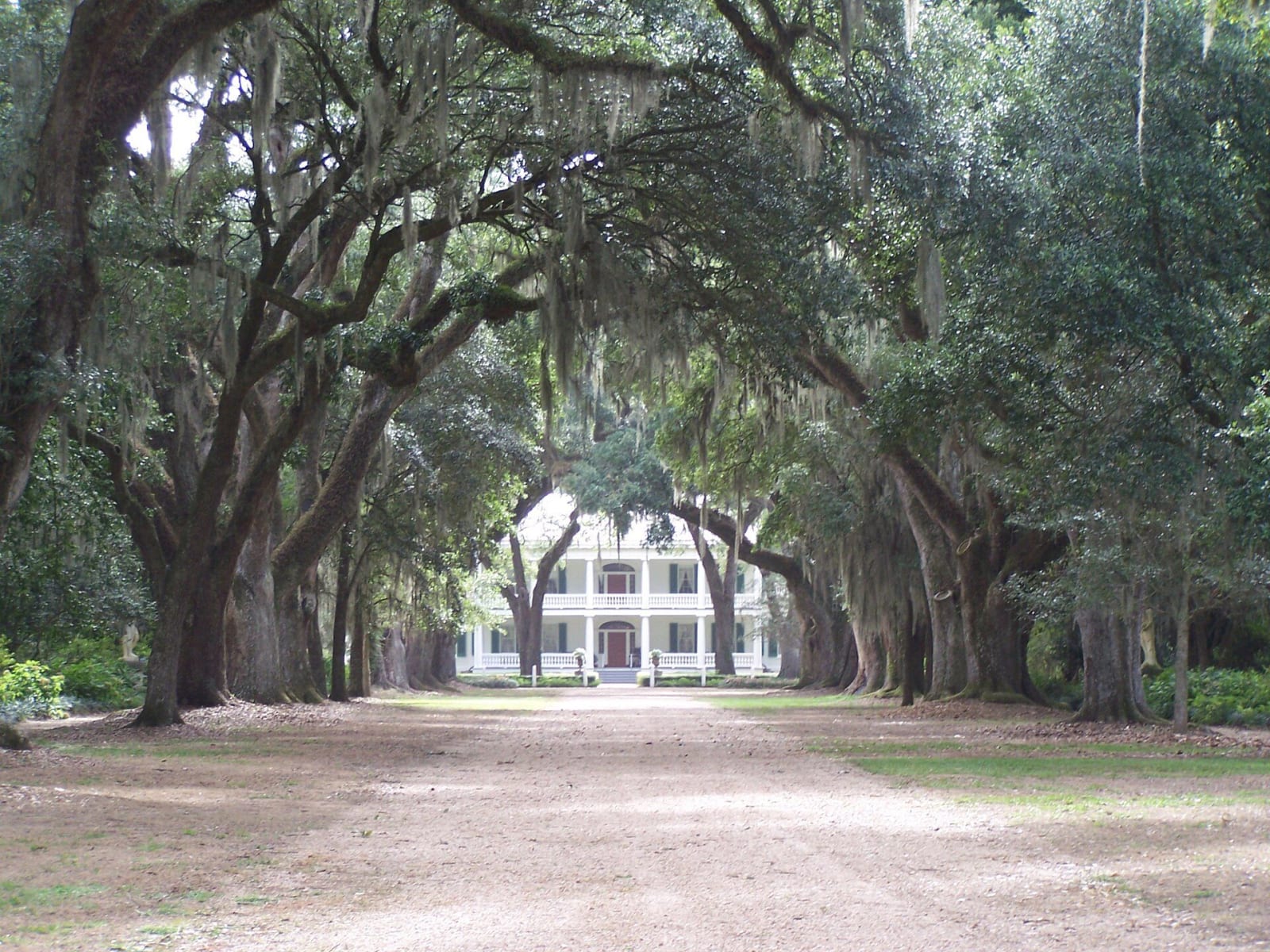
Daniel and Martha Turnbull began the house in 1834 and finished it by May 1835, on land that grew to about 3,455 acres, mostly in cotton. The site keeps the house, gardens, 13 historic buildings and 371 acres at 12501 Highway 10. Open daily 9 a.m. to 5 p.m.; guided house tours are $12, as listed in 2026.
Visitor Info
On the Map
Nearby
The closest stops worth working into your route
Historical markers nearby
Roadside plaques and monuments within a short detour