 w_lemay / CC0 via Flickr
The Story
William Churton laid out the town in 1754 beside the Eno River fords on the Great Trading Path, near where the Occaneechi had lived, and it took the name Hillsborough in 1766. Within a few years it became the center of the Regulator movement. Piedmont farmers short of hard money watched sheriffs seize their land for taxes, some of which officials pocketed or charged twice; they closed the court here and dragged officials through the streets. Governor William Tryon's militia beat them at Alamance in May 1771, and on June 19 six Regulators were hanged at Hillsborough.
The Provincial Congress met here in 1775, and in the summer of 1788 the state's first ratifying convention voted 184 to 84 to neither ratify nor reject the Constitution until a bill of rights was promised. The 1844 Greek Revival courthouse downtown still holds court under a colonial-era clock whose bell Tory raiders threw into the Eno in 1781.
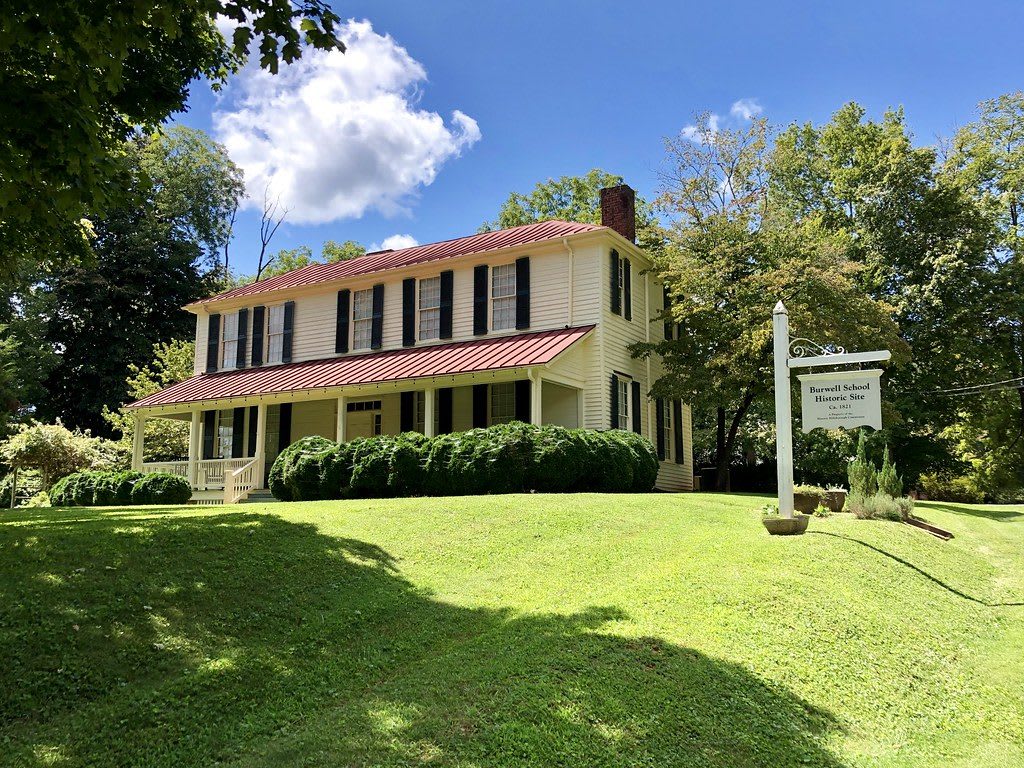
On Churton Street, the Burwell family's house and girls' school is now the Elizabeth Keckly Center at the Burwell School, renamed in August 2026. Keckly, enslaved by the Burwells, was brought here as a young woman around 1835. A neighbor, William J. Bingham, beat her bloody on Margaret Burwell's urging, and a prominent white man, Alexander M. Kirkland, raped her for four years; her son George was born in 1839. She later bought their freedom in St. Louis and became Mary Lincoln's dressmaker in Washington. The courthouse, the Burwell School and the old streets between them make an easy walk.
Visitor Info
On the Map
Nearby
The closest stops worth working into your route
Historical markers nearby
Roadside plaques and monuments within a short detour