 Carol M. Highsmith / public domain via Library of Congress
The Story
Settlers called the place the Ford, where travelers crossed the Little Kanawha, and later Glenville for the glen it sits in. The first gristmill in Gilmer County went up here in 1812, and the town was incorporated in 1856. Boats on the river carried its trade until roads killed the boats in the late 1930s; oil struck at Letter Gap in 1875 made it a gas and oil town, and the 1985 flood wrecked the old downtown and pushed business up to the highway. In 1885 the Glenville Crescent first printed Ellen King's poem "The West Virginia Hills," later the state's first official song.
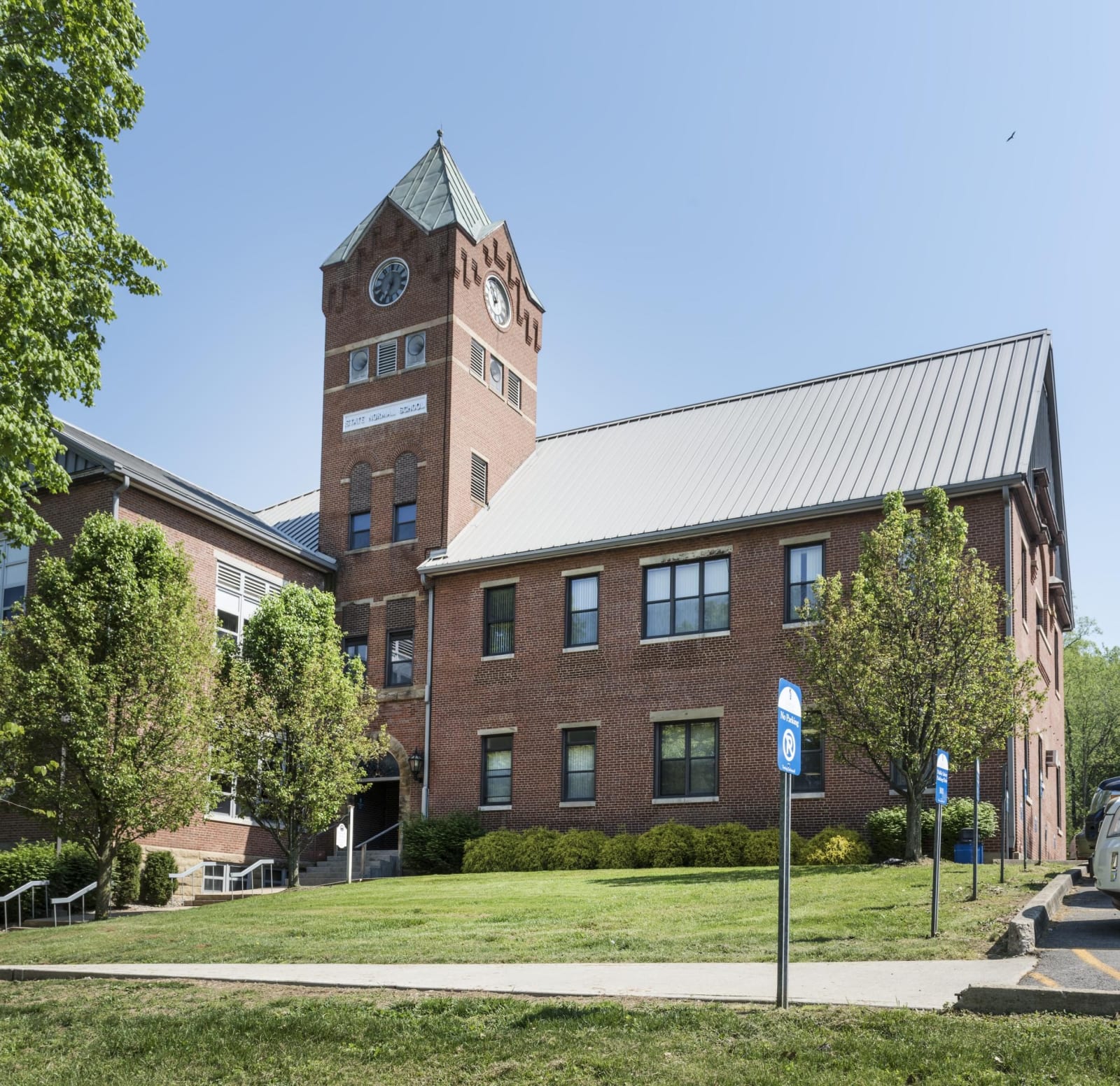
The college came in 1872 as a branch of the State Normal School, holding its first session in the old courthouse in January 1873; it is now Glenville State University. In the summer of 1950 the folklorist Patrick Gainer taught a class here on Appalachian culture and sent his students out to find people who still sang the old ballads, played stringed instruments or kept an old craft. The next summer the class spilled into town, and the West Virginia State Folk Festival began.
Gainer allowed only mountain music on acoustic instruments and would not let it turn commercial. Fern Rollyson had it chartered in 1961 and brought the Belles, older women from across the state representing pioneer ways; Mack Samples and then Ginny Hawker kept the rules. It is still held the weekend nearest June 20, and that is the time to come, when old-time music fills the town.
Visitor Info
On the Map
Nearby
The closest stops worth working into your route
Historical markers nearby
Roadside plaques and monuments within a short detour