On January 13, 1811, the parish judge Pierre Bauchet Saint Martin sat down at Destrehan Plantation with five landowners to try the men taken after the German Coast uprising: Jean-Noel Destrehan, Alexandre Labranche, Pierre-Marie Cabaret de Trepy, and Adelard and Edmond Fortier. Their hearings ran three days, and the record they left is the reason a few of the defendants can be named at all.
Who stood before them
The first day brought Cupidon, owned by the Labranche brothers, Dagobert, owned by Joseph Delhomme, and Harry, owned by Kenner and Henderson. The transcribed record shows them questioned and gives no sentence. On January 14 the court heard ten men who are recorded as confessing to a major part in the insurrection: Jean, Thomas, Hypolite, Kook, Eugene, Charles, Quamana, Robaine, Amar, and a man written as Nede in one version and Etienne in another. Versions differ on some owners, and historians note that how freely anyone confessed is unknown. The same day the court sent Mingo, Perry, Ephraim, Jacques and Bausson back to their owners because the charges were vague, and it declared Robert, Sarra and another man named Etienne innocent.
What the bench ordered
On January 15 the ten were sentenced to death. The order said the sentence was to be carried out without any preceding torture, and that the heads of the executed be cut off and set on a pole where all could see. By local accounts the condemned were taken to their owners' plantations and shot there, so each display stood where the man had lived. Charles Deslondes never reached the room. He was captured on January 11 and killed without questions or a trial.
New Orleans held its own trials. Governor William Claiborne told the courts he would pardon anyone a court and jury recommended for mercy, and he commuted two death sentences, Henry's and Theodore's. In February juries were still sitting: one ordered Jupiter, owned by Manuel Andry, hanged on February 20, and five days later another took no action against Augustin and returned him to his owner, Etienne Trepagnier. Historians count about 95 rebels dead in all, from the fighting, summary killings and executions.
The ledger
On March 7 the owners filed a statement of their losses, listing more than forty people by name and age. Cook, 30, appears as condemned and executed under James Brown, and Harry, 25, as executed under Kenner and Henderson. The Legislative Council's reply to Claiborne's address, dated January 31, carries the signature of Jean Noel Destrehan, who had sat on the bench two weeks earlier. On April 25 the territory passed an act for the payment of slaves killed and executed in the insurrection. Historian Daniel Rasmussen reports that it paid $300 for each person, plus a third of the appraised value of other property destroyed.
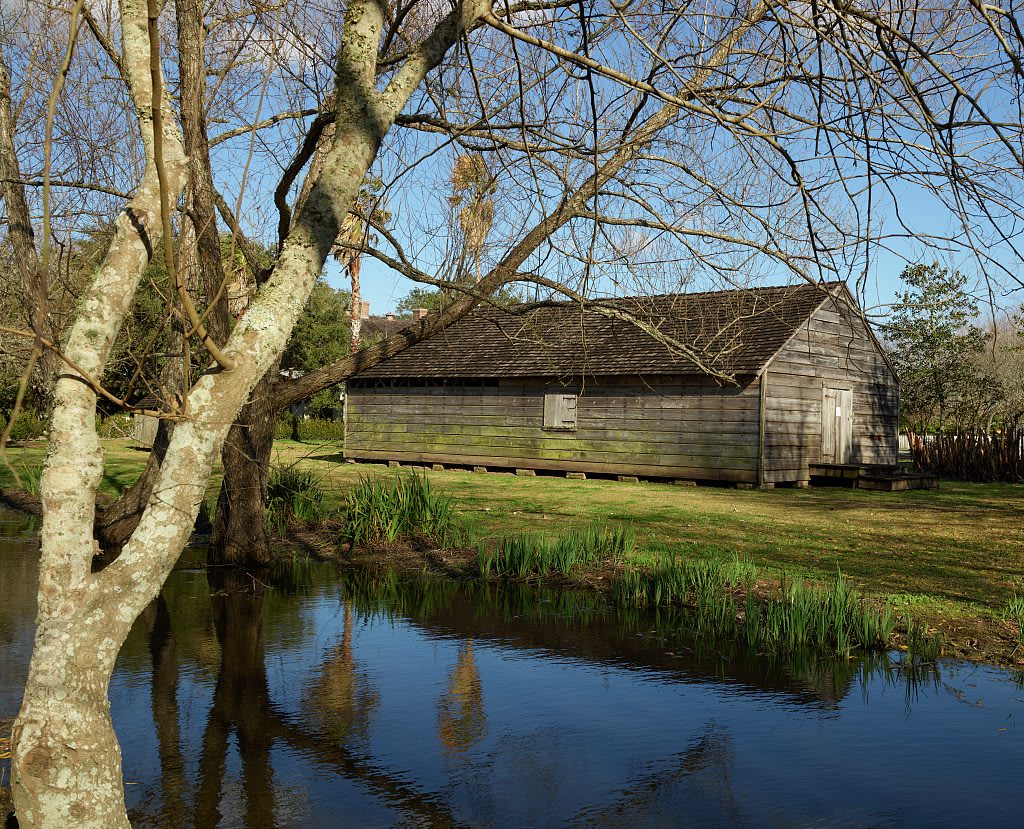
Destrehan Plantation, on River Road, is where the tribunal sat, and the site keeps an exhibit on the uprising. Upriver, Whitney Plantation in Wallace has a memorial of 63 ceramic heads by the sculptor Woodrow Nash, set on rods along a pond.