
The Santa Fe Trail & the Northeast
Fort Union's adobe ruins, the plaza where Kearny claimed New Mexico, Pecos Pueblo, the Folsom bison bones, and Capulin's cinder cone.
Pecos Pueblo stood at the gateway between the Rio Grande pueblos and the Plains, and for centuries Comanche, Apache and Pueblo traders met there. The last of its people, reduced by disease and raiding, left in 1838 to live with their relatives at Jemez, where their descendants still hold Pecos offices. Out on the grasslands to the northeast, George McJunkin, a Black cowboy and foreman, noticed giant bones eroding out of an arroyo near Folsom after a flood in 1908. When the site was dug in 1926 and 1927, stone points were found among the bones of an extinct bison, proof that people had been in North America during the Ice Age.
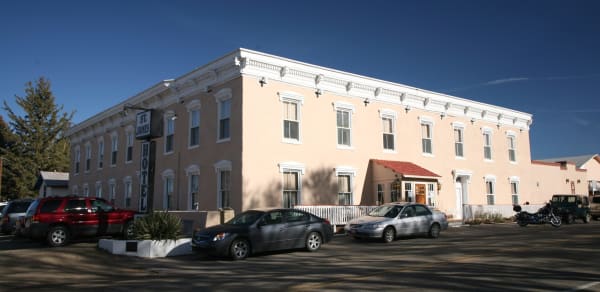
The Santa Fe Trail came down from Raton Pass and across these plains. On August 15, 1846, General Stephen Watts Kearny stood on a rooftop on the plaza at Las Vegas and declared New Mexico part of the United States. Fort Union was built in 1851 to guard the trail and became the largest army post in the Southwest; its adobe walls stand melted and roofless on the plain. In March 1862 Union volunteers from Colorado stopped a Confederate army at Glorieta Pass, west of Pecos, by burning its supply train.
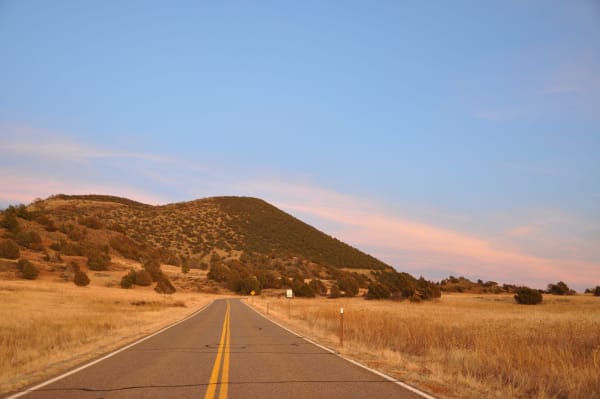
Cimarron was the headquarters of the Maxwell Land Grant, some 1.7 million acres sold to investors in 1870, and settlers who had farmed it for years were evicted. Capulin, an almost perfect cinder cone, rose from an eruption about 60,000 years ago.
What to See in The Santa Fe Trail & the Northeast
5 places across the region, grouped by what they are.
Geology & Rock Formations
Historic Sites


Architecture
Scenic Drives through The Santa Fe Trail & the Northeast
Stories from The Santa Fe Trail & the Northeast
The Cowboy Who Found the Ice Age
After a flood in 1908, George McJunkin, a ranch foreman born into slavery, found giant bison bones in an arroyo near Folsom. The discovery proved people had lived in North America in the Ice Age. The scientists who published it left out his name.
The Traders of the Staked Plain
For nearly a century after a 1786 peace, New Mexican traders called Comancheros carried bread and cloth onto the Llano Estacado and came home with horses, hides, stolen Texas cattle and captive people.
The Santa Fe Trail & the Northeast rewards the unhurried. Pick a base, fan out, and let the country between the headline stops surprise you.
← Explore more of Open Road Guide