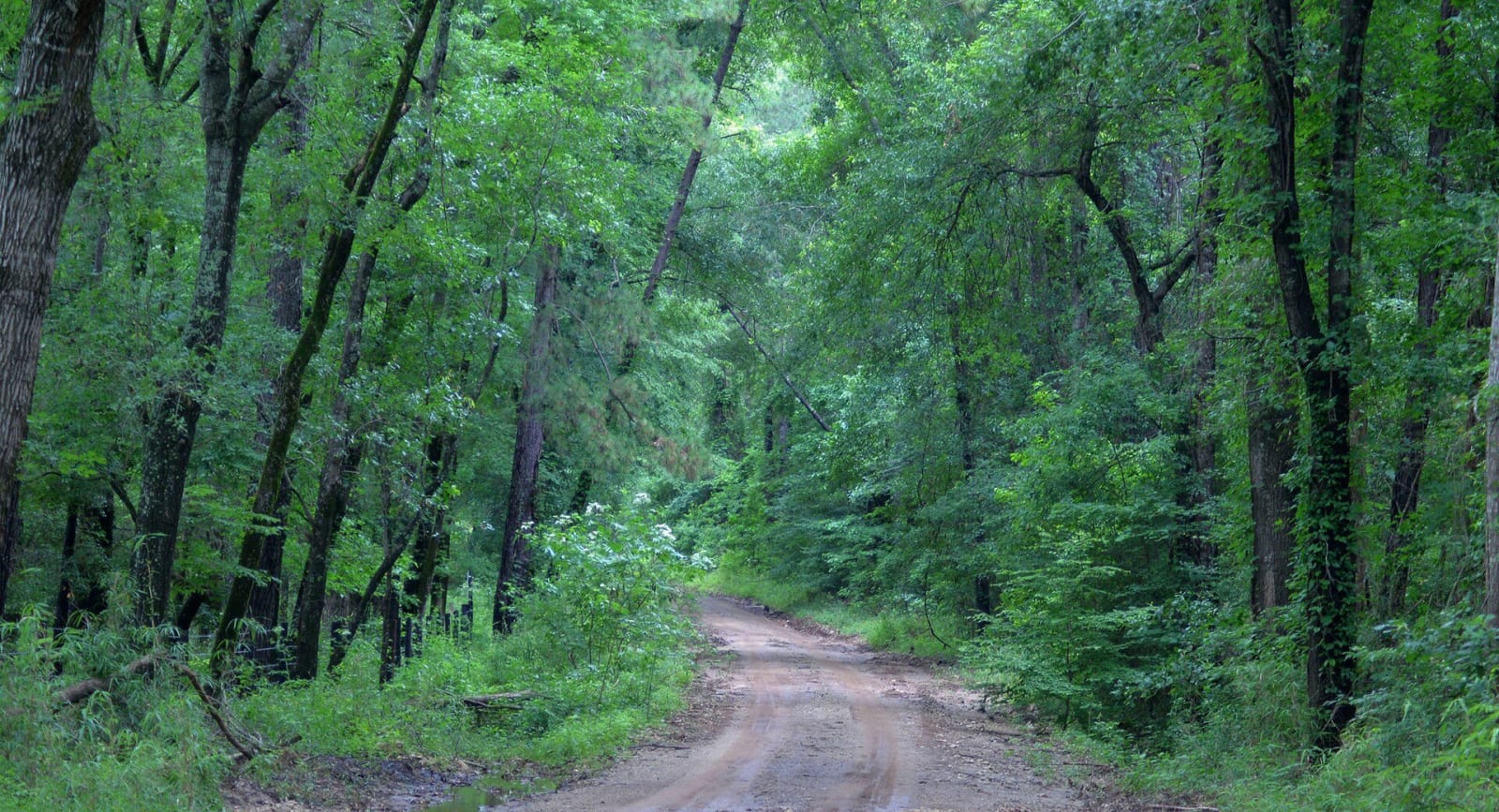
Nacogdoches & the Old San Antonio Road
Mission Tejas and Mission Dolores, the Old Stone Fort, SFA Gardens, the Texas Forestry Museum and Huntsville's Sam Houston and prison museums in eight counties.
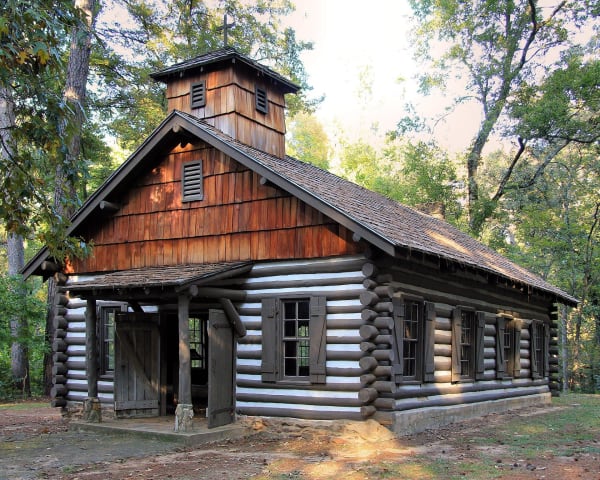
The Hasinai, whose name is said to mean "our own people," lived along the Neches and Angelina rivers. The Handbook of Texas says the Nabedache, a Hasinai group, were thickly settled in the valley where Spanish friars founded San Francisco de los Tejas in 1690, and Mission Tejas State Park holds a replica. The Nacogdoche gave Nacogdoches its name. The Ais lived at their mission only for short periods, and in San Augustine no building survives at Mission Dolores, where El Camino Real de los Tejas passes through.
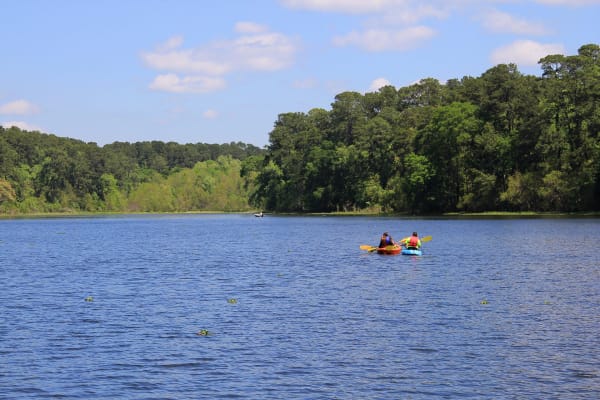
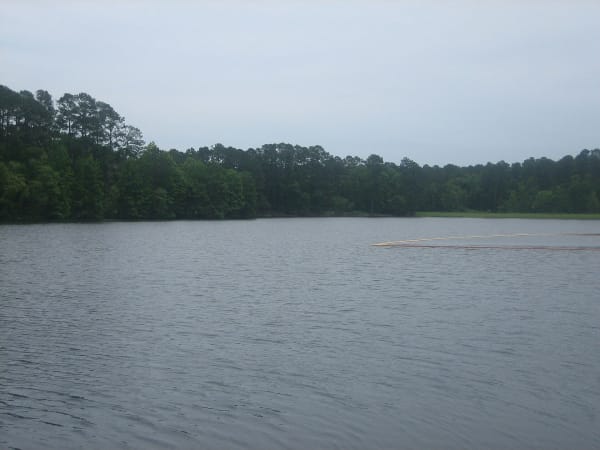
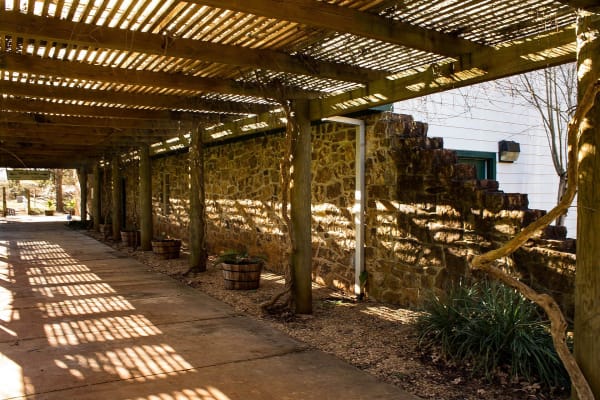
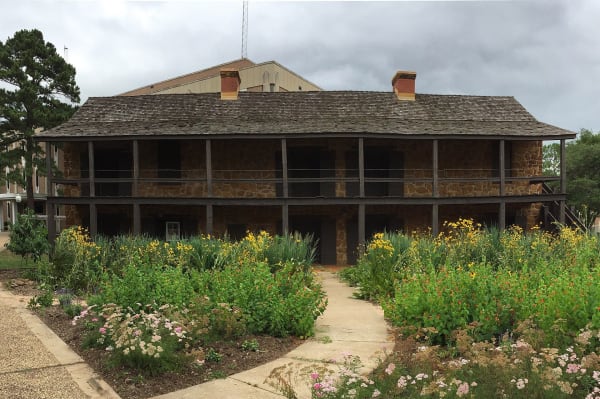
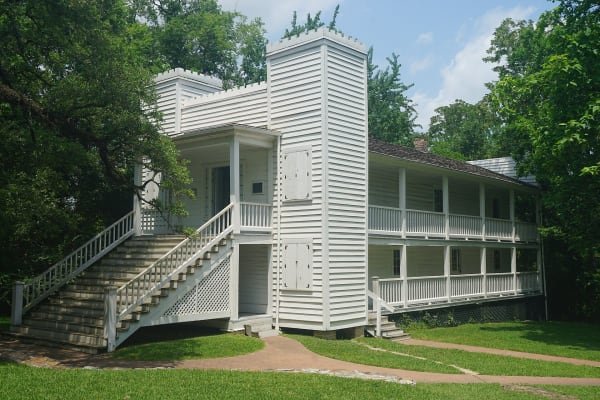
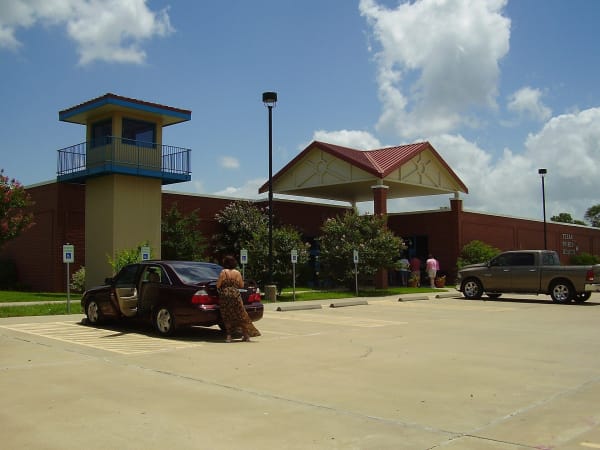
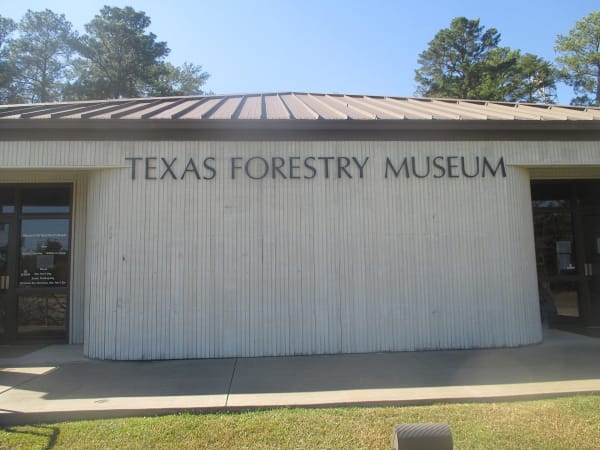
Nacogdoches keeps the Old Stone Fort Museum, a replica of Antonio Gil Y'Barbo's house, Millard's Crossing's moved 19th-century cabins and the free SFA Gardens. Lufkin's Texas Forestry Museum shows how the pines became lumber. Ratcliff Lake began as a sawmill log pond, and the Civilian Conservation Corps built it in 1936; Red Hills Lake in the Sabine National Forest followed in 1940.
Huntsville holds harder history. The household at the Sam Houston Memorial Museum included Joshua Houston, raised enslaved in Alabama. The Texas Prison Museum shows Old Sparky; the Handbook of Texas records that the first five men electrocuted were African American and that convict leasing ended in 1912. Huntsville State Park was built by a Civilian Conservation Corps company of African American veterans on Bidai land.
What to See in Nacogdoches & the Old San Antonio Road
11 places across the region, grouped by what they are.
Natural Areas
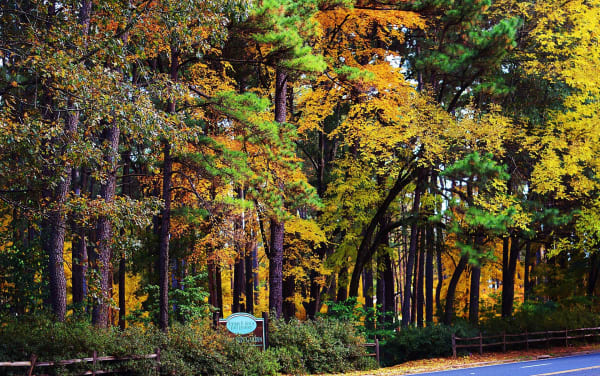
Hikes & Trails
Historic Sites
Towns & Gateways
Industry & Mining
Nacogdoches & the Old San Antonio Road rewards the unhurried. Pick a base, fan out, and let the country between the headline stops surprise you.
← Explore more of Open Road Guide