Morgantown & Mountaineer Country
Prickett's Fort, Philippi's covered bridge, Arthurdale, the Monongah and Farmington mine memorials, Coopers Rock and the first Mother's Day church in Grafton.
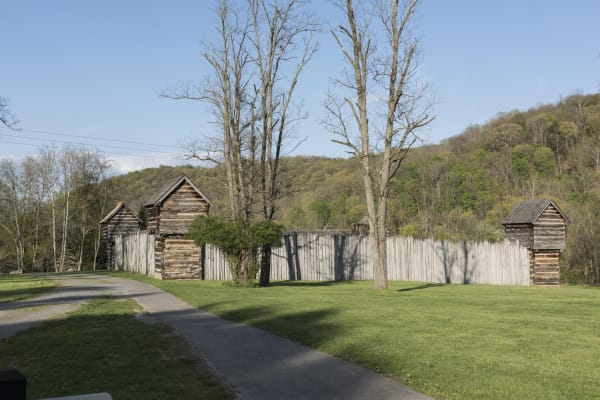
Before the forts, the Monongahela people farmed corn in round, stockaded villages along the Monongahela north of present Fairmont, until the Seneca dispersed them by the 1630s. Shawnee, Mingo, Wyandot and Lenape people hunted the upper Ohio country after them, and Lenape fighters struck the first settlement at Morgantown in 1759. Settlers on their land crowded behind the log walls of Prickett's Fort in 1774, and Watters Smith's family took up Duck Creek as the border war ended.
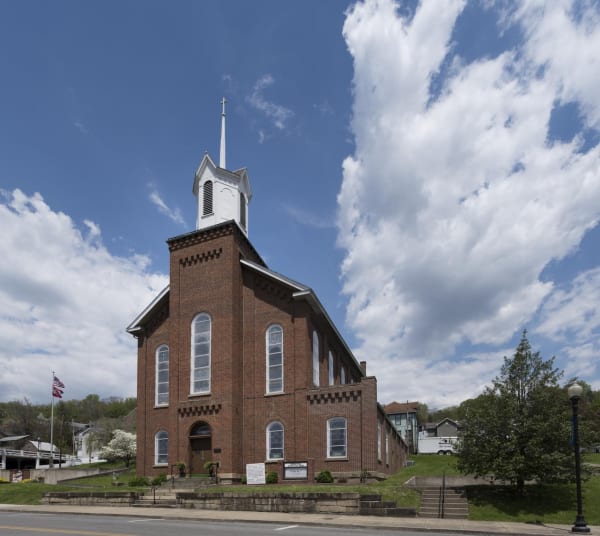
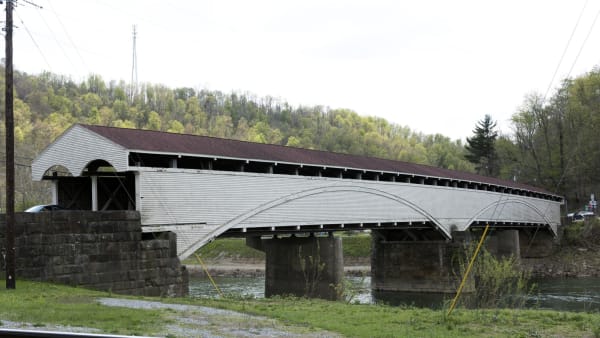
Iron came to Coopers Rock, then the B&O to Grafton, and in June 1861 the skirmish at Philippi's covered bridge kept the railroad for the Union. Grafton keeps the war's dead in West Virginia's first national cemetery, and the church where Anna Jarvis held the first Mother's Day for her mother. Coal built the rest. Italian, Slavic and Black miners died at Monongah in 1907, 362 by the official count, and 78 men died at Farmington in 1968. A Calabrian former miner in Fairmont gave the state the pepperoni roll.
Eleanor Roosevelt's Arthurdale moved Scotts Run families onto farms of their own, though it turned away many Black and immigrant applicants. For quiet, walk the uncut hemlocks of Cathedral State Park, stand on the Coopers Rock overlook above the Cheat, or watch the Tygart spill over Valley Falls.
What to See in Morgantown & Mountaineer Country
12 places across the region, grouped by what they are.
Natural Areas
Historic Sites
Food & Drink
Morgantown & Mountaineer Country rewards the unhurried. Pick a base, fan out, and let the country between the headline stops surprise you.
← Explore more of Open Road Guide