 Carol M. Highsmith / public domain via Library of Congress
The Story
In August 1933 Eleanor Roosevelt, who had learned of it through the American Friends Service Committee, went down Scotts Run, a coal hollow outside Morgantown where perhaps 4,000 people, most of them foreign-born and a tenth to a fifth of them African American, were living through years of strikes and then the Depression. She came back determined to move families onto land of their own. By October the federal government had bought Richard Arthur's 1,200-acre farm here in Preston County, and Arthurdale became the first community built under the subsistence homesteads program of the 1933 National Industrial Recovery Act.
Between 1934 and 1937, 165 houses went up, each with electricity, indoor plumbing and room for a garden and livestock, along with a progressive school first run by Elsie Clapp, a forge, a co-op store and craft shops. More than 1,000 families applied, and applicants had to be married with children and pass a test. The government preferred families who were white, native-born and Christian, so many Black and immigrant applicants were not chosen. The cooperative factories and farms struggled, and in 1947 the government sold the houses and buildings to the homesteaders. Eleanor Roosevelt kept coming back, 33 visits in all.
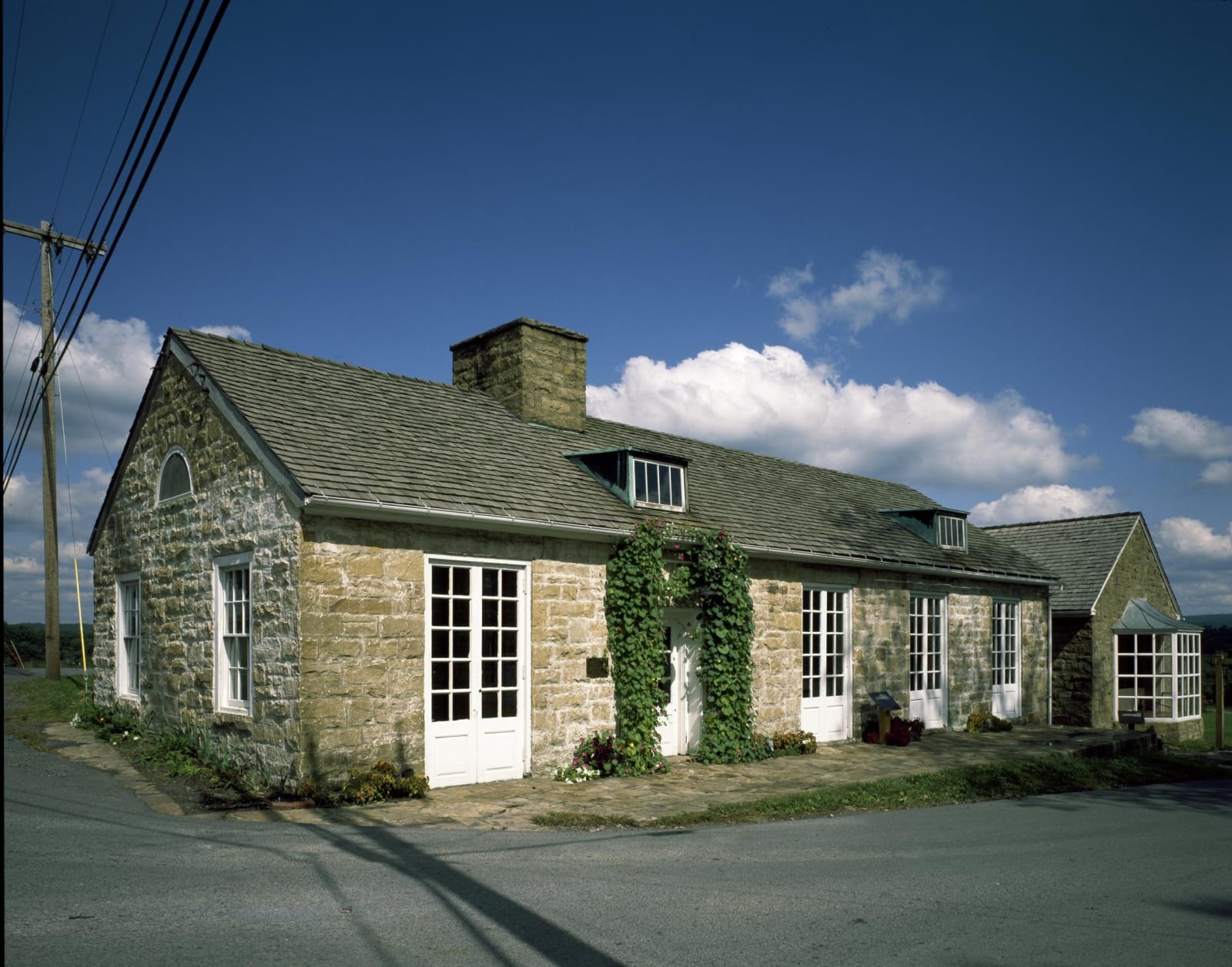
Arthurdale is a national historic district and a living town, with 160 of the 165 homesteads still standing. Arthurdale Heritage, founded in the mid-1980s, runs hour-long guided tours from the Craft Shop through the Administration Building museum, the forge, the Esso station, Center Hall, where Eleanor Roosevelt danced, and the furnished homestead house E-15.
Visitor Info
On the Map
Nearby
The closest stops worth working into your route
Historical markers nearby
Roadside plaques and monuments within a short detour