Lake Charles & the Creole Nature Trail
Koasati and Atakapa ground, the Creole Nature Trail's refuges, Cameron's 1937 courthouse, the 1901 Jennings oil well, Lake Charles museums and Niblett's Bluff.
The Koasati, the Coushatta Tribe of Louisiana, came from the Tennessee River by way of Alabama and settled on Bayou Blue in Allen Parish by the 1880s. Koasati is still their first language, and the tribe, re-recognized by the United States in 1973, holds a powwow and a free Koasati Heritage Day at Kinder. The name Calcasieu is traced to an Atakapa leader, Katkosh Yok, "Crying Eagle." The Imperial Calcasieu Museum in Lake Charles follows the parish from its creation in 1840 and its 1860 count of 1,171 enslaved among 5,928 people.
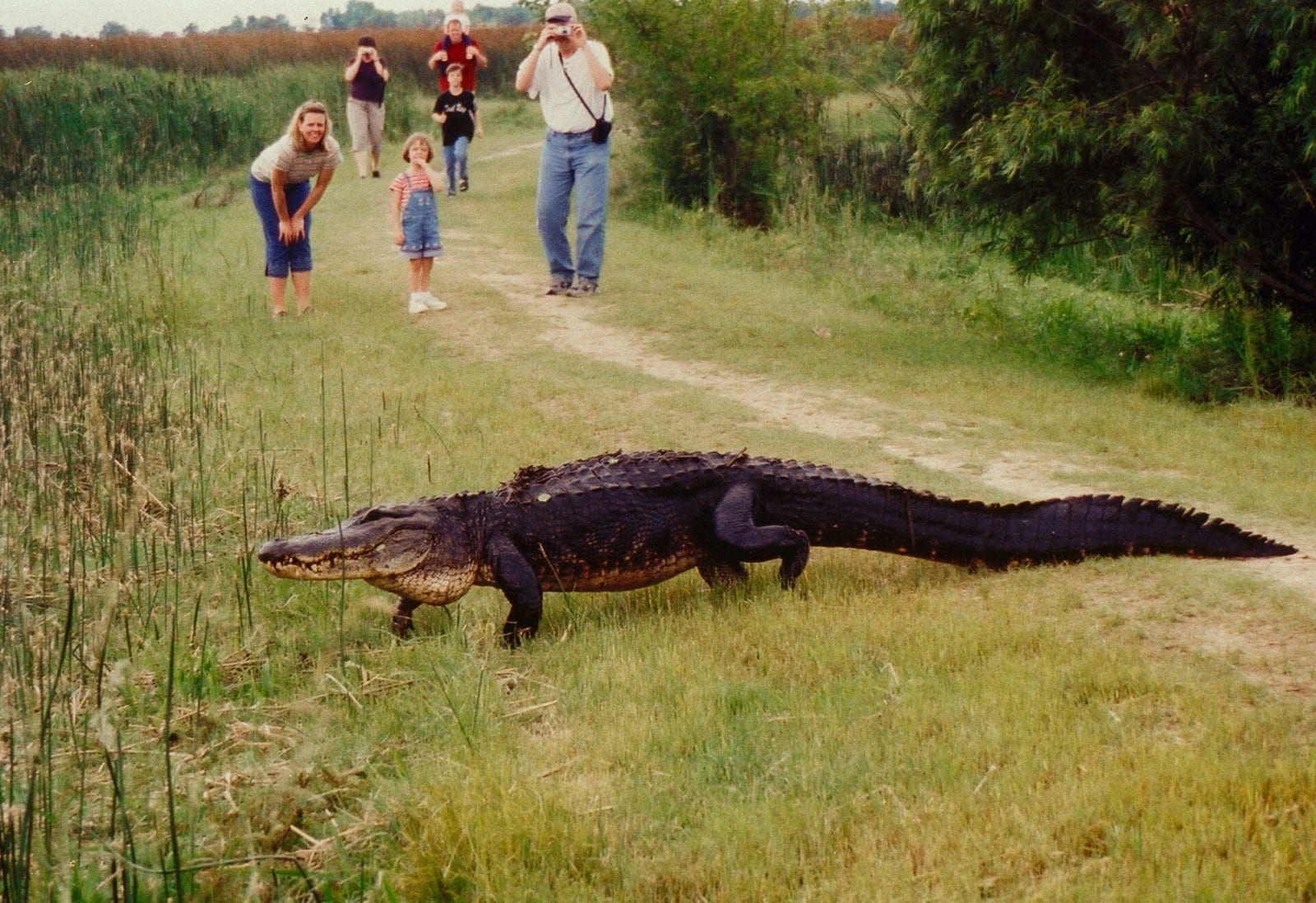
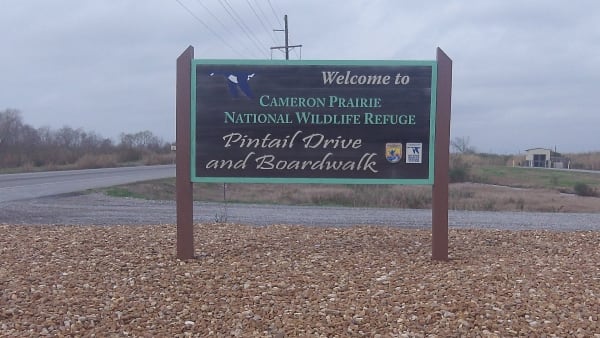
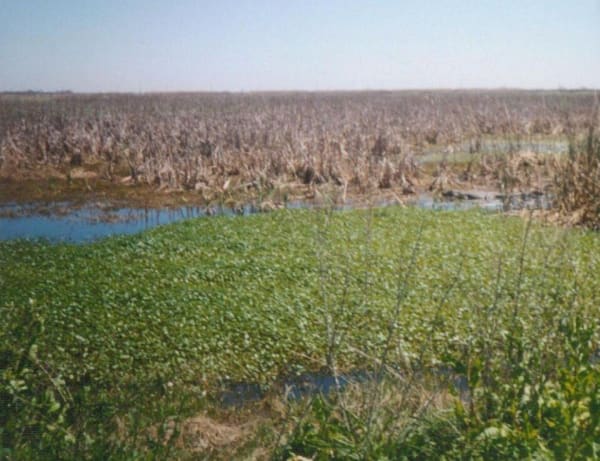
The Creole Nature Trail starts at Adventure Point in Sulphur and runs south to Sabine National Wildlife Refuge, where alligators lie beside a 1.5-mile walkway, and to Cameron Prairie, where Pintail Wildlife Drive circles marsh and old rice fields. In Cameron, the 1937 courthouse sheltered hundreds in Hurricane Audrey in 1957 and was standing after Rita in 2005.
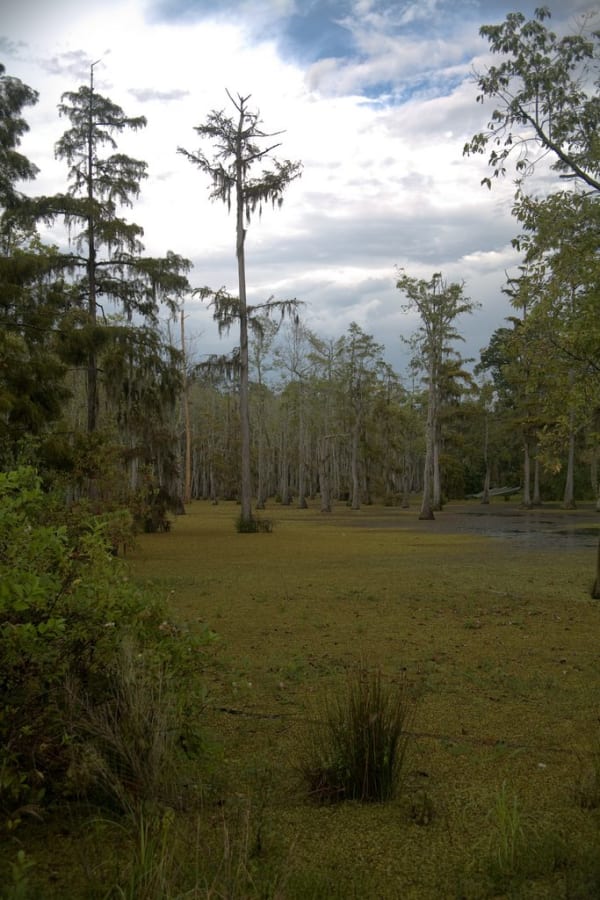
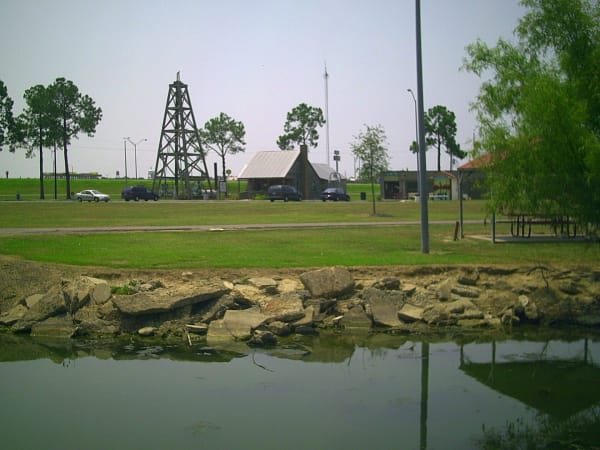
Oil began in Louisiana at Jennings on September 21, 1901, and the field had given 50 million barrels by 1907. Lake Charles keeps Carnival in a new Mardi Gras museum with about 275 costume mannequins, and Sam Houston Jones State Park holds longleaf pine and swamp. At Niblett's Bluff on the Sabine, a river crossing became a plantation, a Confederate post and a lumber camp.
What to See in Lake Charles & the Creole Nature Trail
10 places across the region, grouped by what they are.
Natural Areas
Hikes & Trails
Historic Sites
Towns & Gateways
Industry & Mining
Attractions
Scenic Drives through Lake Charles & the Creole Nature Trail
Stories from Lake Charles & the Creole Nature Trail
Lake Charles & the Creole Nature Trail rewards the unhurried. Pick a base, fan out, and let the country between the headline stops surprise you.
← Explore more of Open Road Guide