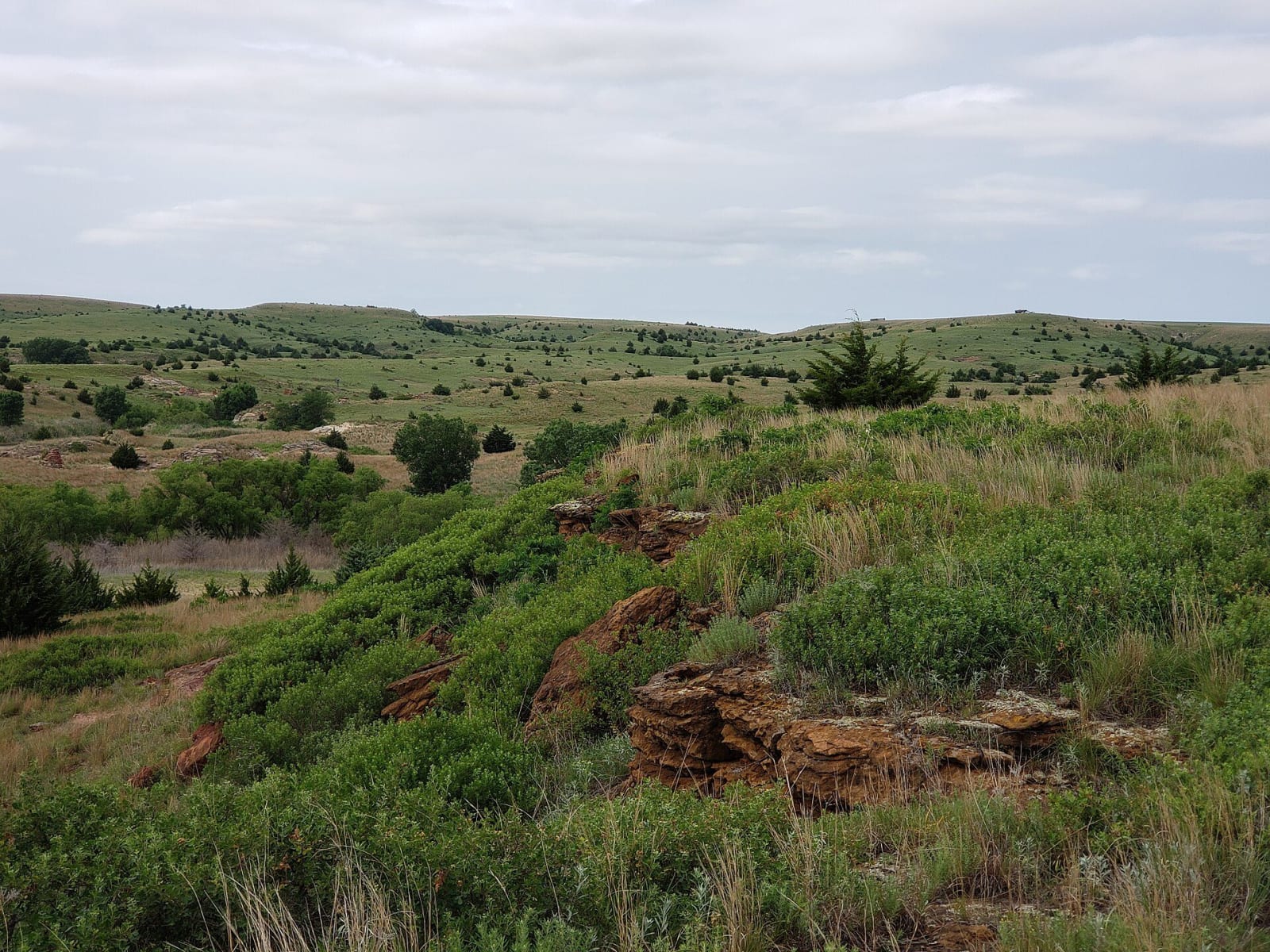
The Smoky Hills
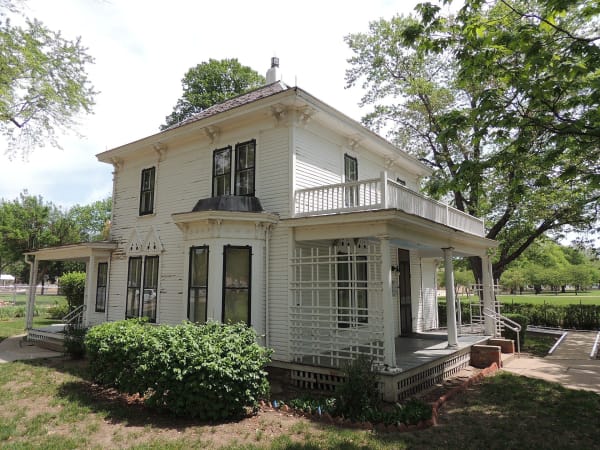
Post rock fences, Eisenhower's Abilene, Swedish Lindsborg, Rock City's concretions, the Garden of Eden at Lucas, Hays chalk fossils and a Pawnee earth lodge floor.
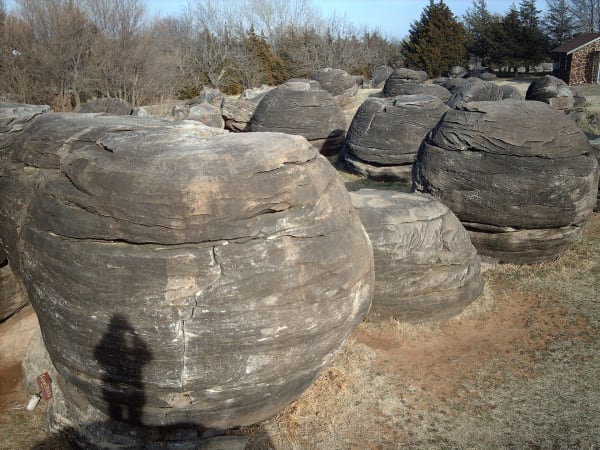
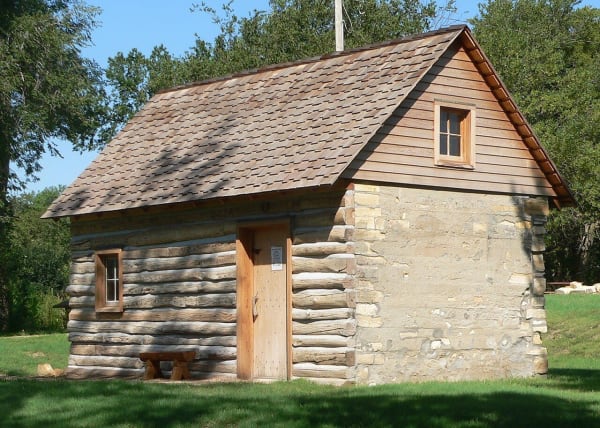
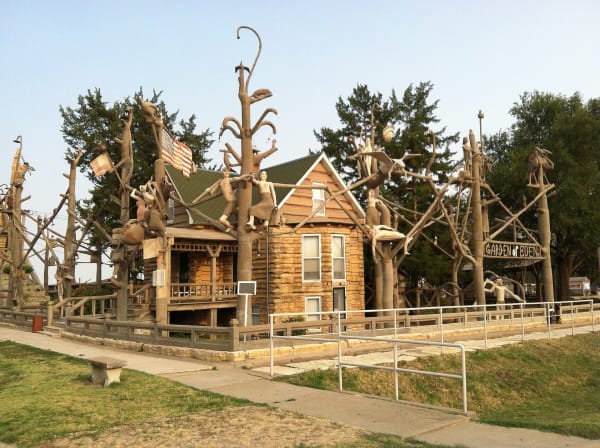
The Smoky Hills are three belts of rock left by a Cretaceous sea, and a driver on I-70 crosses all of them. In the east the Dakota sandstone stands up as buttes and as the round concretions of Rock City. In the middle the Greenhorn Limestone gave settlers in a country without timber the stone for houses and fence posts, which is why this is called post rock country and why S. P. Dinsmoor could build a log cabin out of rock at Lucas. In the west the Niobrara chalk shows in the bluffs around Hays, where the Sternberg Museum keeps what the chalk has given up.
The region divides by its rivers. The Smoky Hill carries the interstate past Eisenhower's Abilene, Salina and Ellsworth to Hays, with Swedish Lindsborg on the same river south of Salina. The Solomon and the Saline run through the reservoir country of Waconda and Wilson lakes, and U.S. 36 follows the northern tier past Lebanon, near the geographic center of the lower 48.
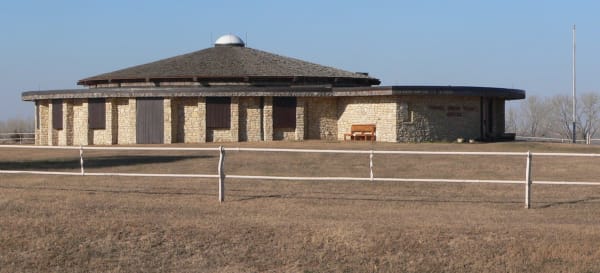
This was Pawnee country before it was anyone else's. The Kitkehahki band built earth lodges on the Republican in the late 1700s, and the floor of one lies open in the museum near Republic. The Kaw met U.S. commissioners on Dry Turkey Creek in 1825, and the western counties were Cheyenne and Arapaho land when Fort Hays went up in 1865.
What to See in The Smoky Hills
9 places across the region, grouped by what they are.
Geology & Rock Formations
Historic Sites


Towns & Gateways
Industry & Mining

Attractions

The Smoky Hills rewards the unhurried. Pick a base, fan out, and let the country between the headline stops surprise you.
← Explore more of Open Road Guide