Jackson & Vicksburg
Choctaw country along the Natchez Trace, the civil rights landmarks of Jackson, then Vicksburg's siege, the raised USS Cairo, and the blues of Bentonia.
This is Choctaw country. The Choctaw town of Chisha Foka, "among the post oaks," stood where Jackson is today, and the Natchez Trace crosses homelands of the Natchez, Chickasaw and Choctaw. At Dancing Rabbit Creek in 1830 the Choctaw Nation signed the treaty that gave up its land east of the Mississippi. Near Ridgeland you can still walk a short stretch of the Old Trace itself.
Jackson holds much of the state's civil rights story within a few miles. The Mississippi Civil Rights Museum stands beside the Museum of Mississippi History, Farish Street was the Black business and music district where Evers kept his office, and Medgar and Myrlie Evers's carport is a national monument. Tougaloo College, bought in 1869, hosted the Tougaloo Nine. The Old Capitol is where the 1890 constitution, which disenfranchised Black voters, was written.
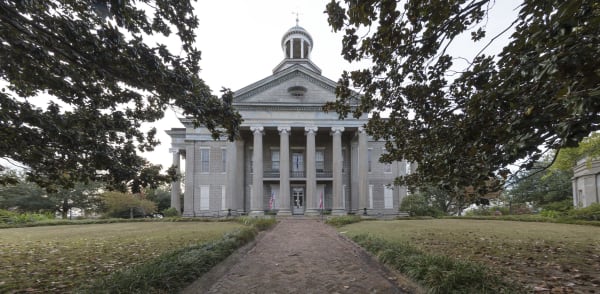
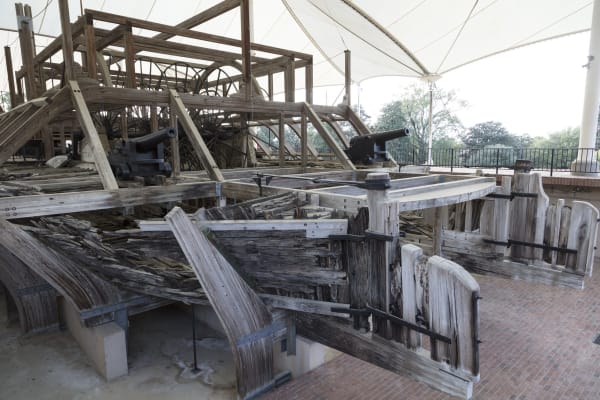
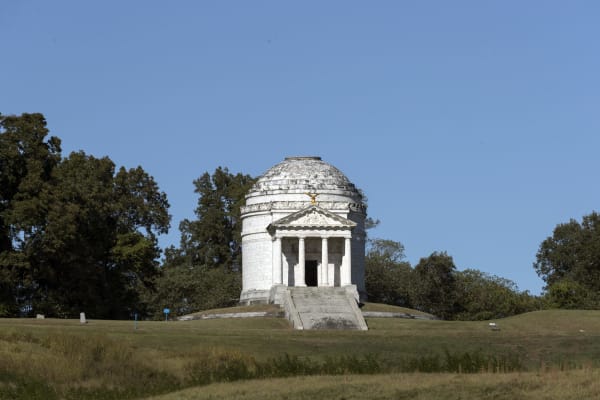
West on the river, Vicksburg fell in 1863 after a 47-day siege, and the park, the raised gunboat USS Cairo and the Old Court House Museum, built by enslaved artisans, carry that history. North, Bentonia's Blue Front Cafe, open since 1948, keeps a blues tradition going and Yazoo City rebuilt after its 1904 fire. East, Roosevelt State Park, with its Shadow Lake, was built by the Civilian Conservation Corps in segregated camps.
What to See in Jackson & Vicksburg
12 places across the region, grouped by what they are.
Hikes & Trails
Historic Sites
Towns & Gateways
Jackson & Vicksburg rewards the unhurried. Pick a base, fan out, and let the country between the headline stops surprise you.
← Explore more of Open Road Guide