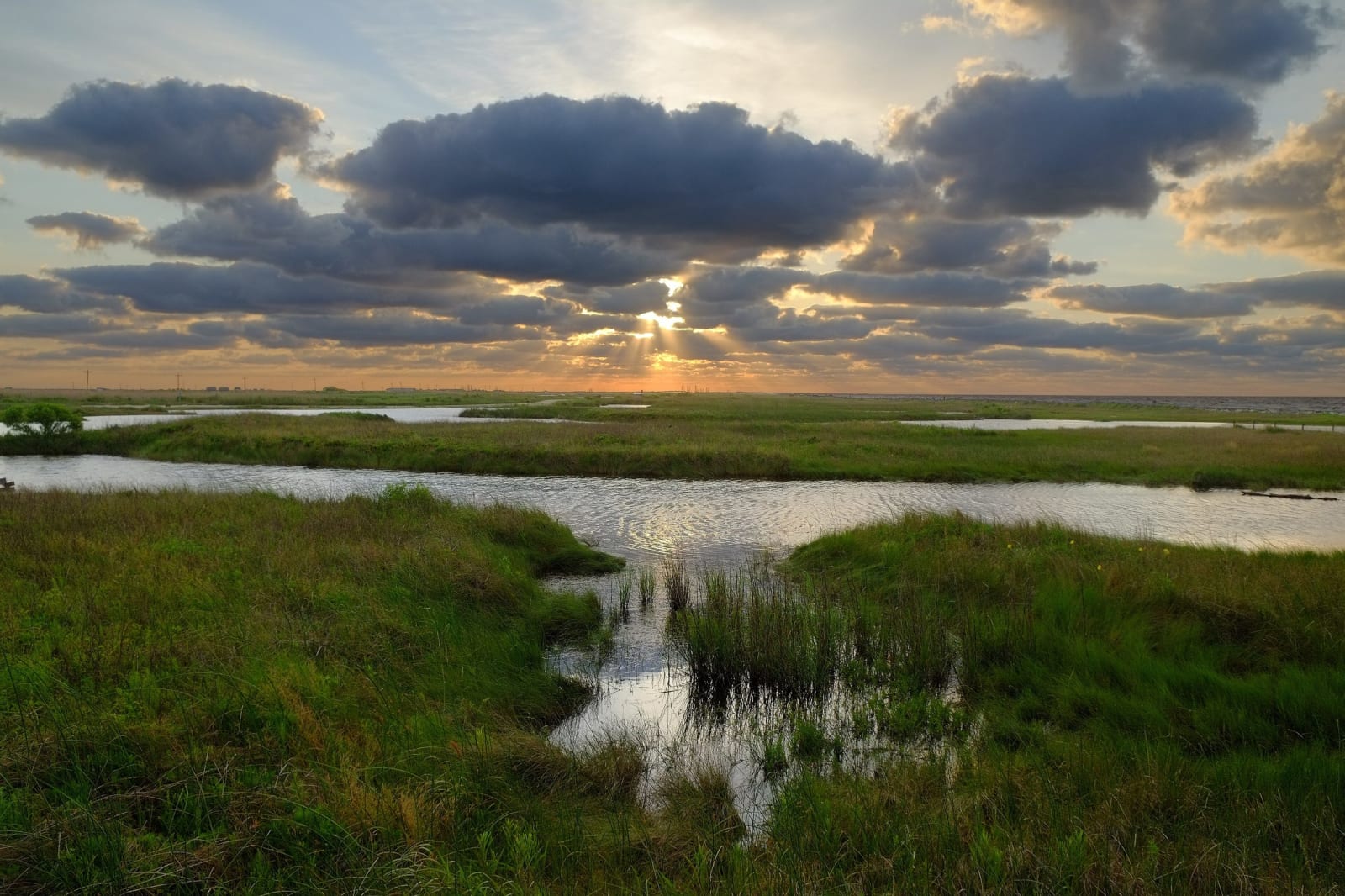
Big Thicket & the Golden Triangle
Big Thicket National Preserve, Sea Rim and Village Creek parks, Spindletop's boomtown, the McFaddin-Ward House, Orange's Stark Museum and the Sabine Pass battleground.
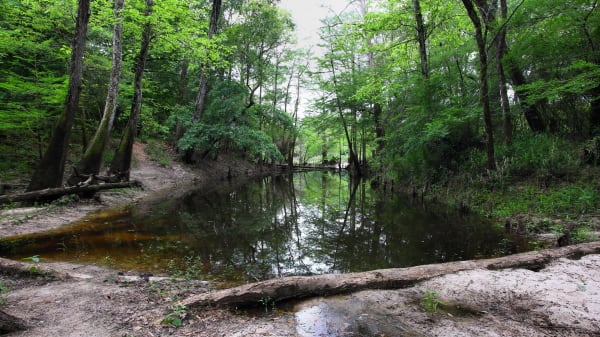
Atakapa-Ishak people came to this coast some 2,000 years ago, and Sea Rim State Park's marsh lies on that ground; the Akokisa, Atakapan-speaking relatives, lived between the Trinity and Sabine rivers. The Alabama and the Koasati, who had lived along the Alabama River, settled in the Big Thicket in the 1780s. Village Creek State Park, near Lumberton, follows a creek that rises near the Alabama-Coushatta reservation, and Big Thicket National Preserve, made in 1974 as the first national preserve, has its visitor center at Kountze.
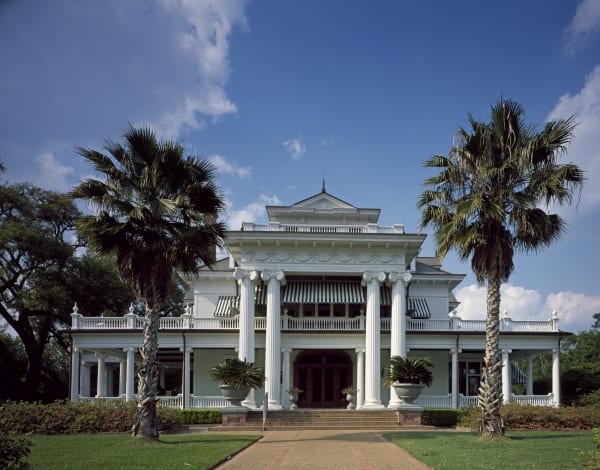
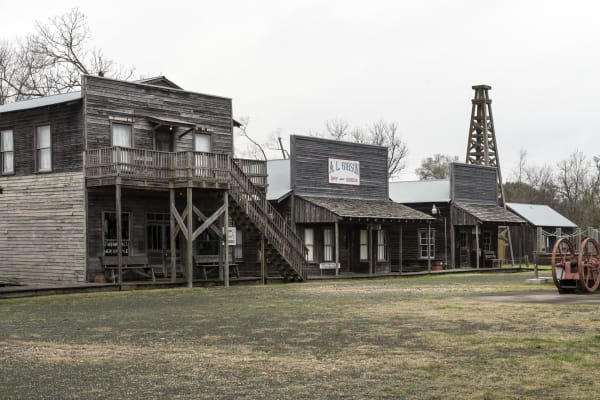
Oil changed the coast. The Lucas gusher came in at Spindletop on January 10, 1901, and Beaumont grew from about 10,000 people to 50,000. The Spindletop-Gladys City museum recreates that boomtown, the McFaddin-Ward House shows a family whose money grew after the strike, and the Museum of the Gulf Coast in Port Arthur, open since 1994, fills a former bank.
At Sabine Pass, the battleground park stands where about 500 enslaved men were forced to build Fort Griffin. Orange has Shangri La's gardens, open to the public since 1946, and the Stark Museum of Art. Martin Dies, Jr. State Park sits on Steinhagen Reservoir between Woodville and Jasper, and the Sam Houston Regional Library near Liberty keeps the records of ten counties.
What to See in Big Thicket & the Golden Triangle
11 places across the region, grouped by what they are.
Natural Areas
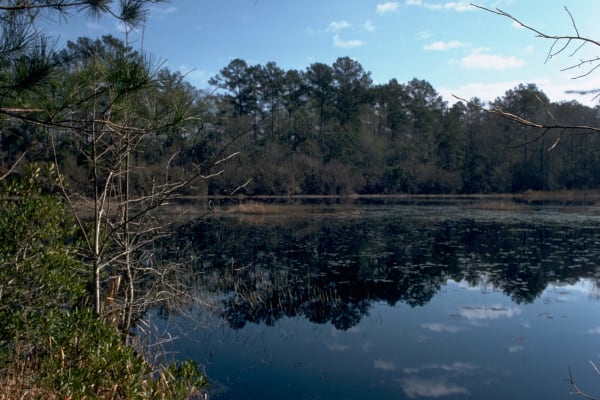
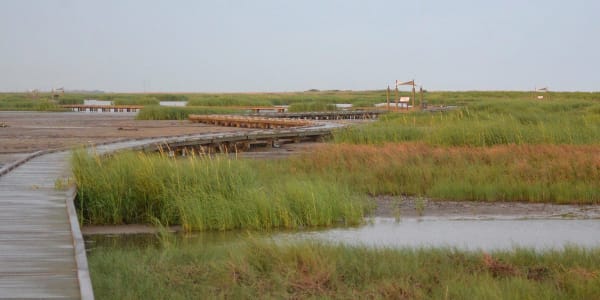
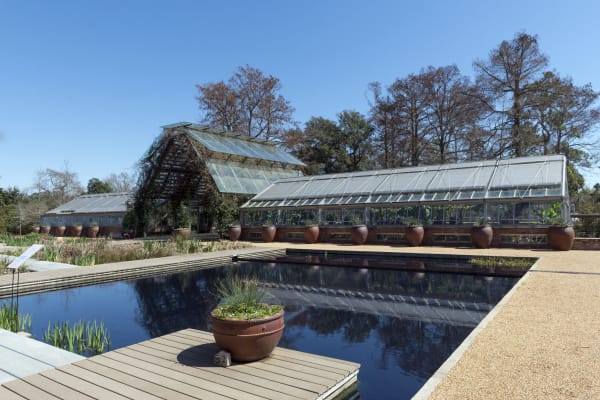
Hikes & Trails
Historic Sites
Towns & Gateways
Architecture
Industry & Mining
Big Thicket & the Golden Triangle rewards the unhurried. Pick a base, fan out, and let the country between the headline stops surprise you.
← Explore more of Open Road Guide