 Carol M. Highsmith / public domain via the Library of Congress
The Story
The dam went up between December 1964 and November 1969, an earth and concrete wall across the Rio Grande below the mouths of the Devils and the Pecos. The United States and Mexico own it together and the International Boundary and Water Commission runs it, and both governments named it Amistad, friendship. The dam is an official port of entry, so crossing any part of it requires a passport or other proof of citizenship, and it is not toured. The National Park Service manages the American side of the lake as a recreation area, known for its bass fishing.
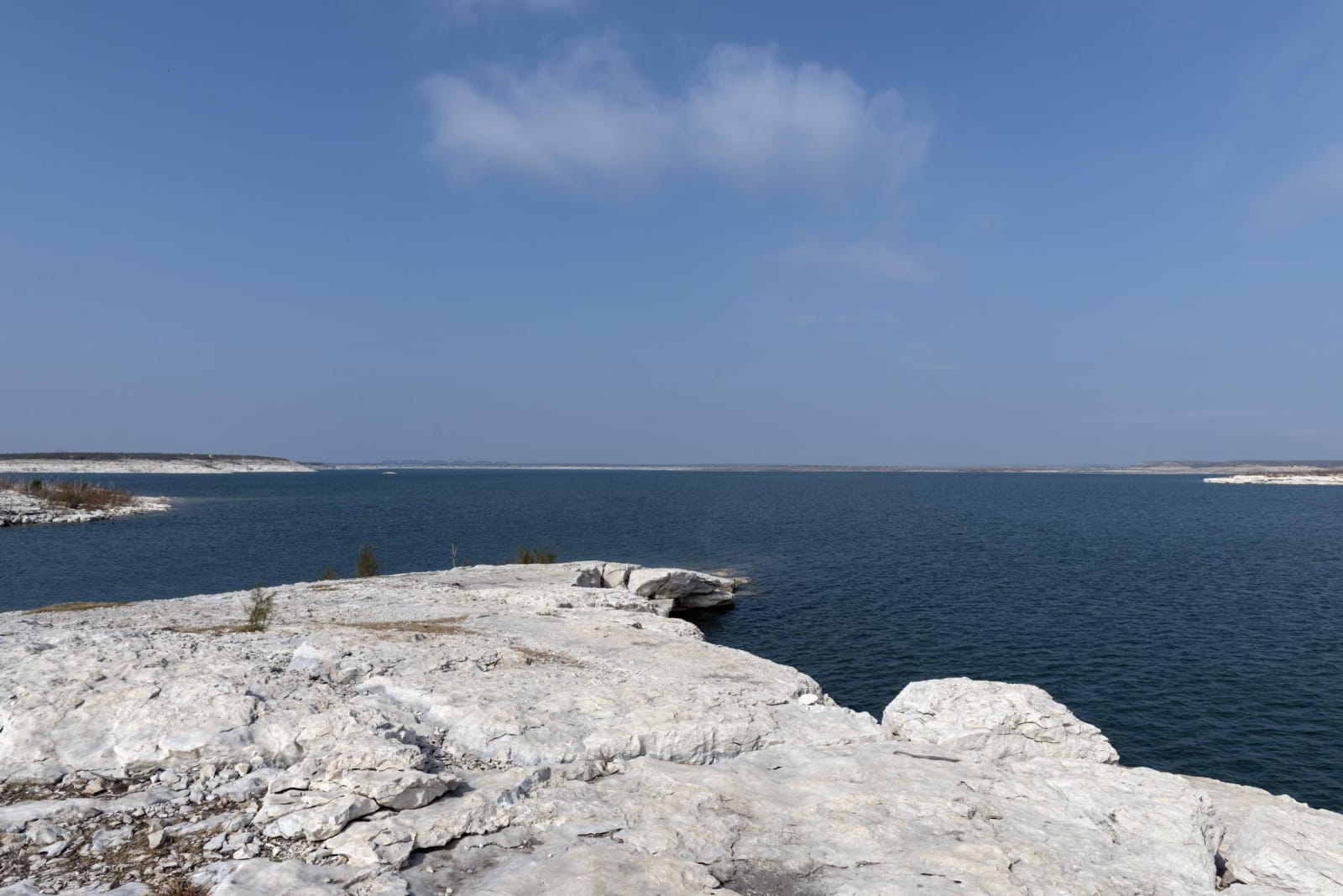
The lake covered a great deal. When it filled after the fall of 1969, rock shelters along the Rio Grande and the Devils River, many of them painted, went under. Two of the painted shelters the park manages are still reached by water. At Panther Cave, a boat dock leads to a 60-foot steel staircase, and a fence and raised catwalk keep visitors back from the paintings and the deposits buried in the floor. Parida Cave has a dock and more than 300 feet of trail. Drought has dropped the lake by more than 50 feet at times, which can close the route through the mouth of the Pecos from the Pecos boat ramp, 14 miles round trip, and leave Box Canyon's 60-mile round trip as the alternative.
Start at the visitor center on US-90, where a 30-minute film, Spirits of the Canyon, introduces the Lower Pecos paintings, and call ahead about lake levels before planning a boat trip.
Visitor Info
On the Map
Nearby
The closest stops worth working into your route