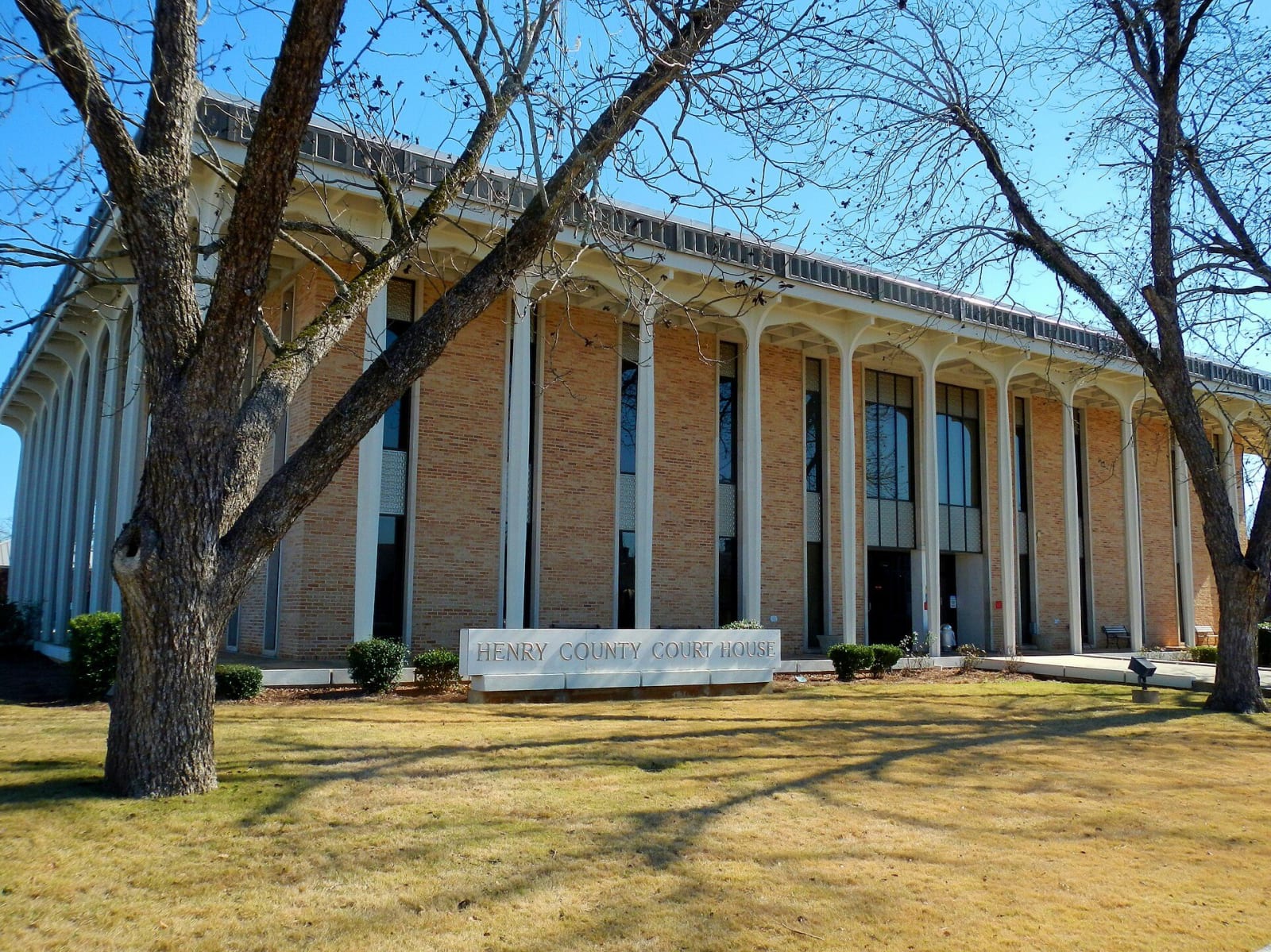
Recy Taylor was 24, a sharecropper's daughter who had helped raise six younger siblings after her mother died, and the mother of a small daughter, Joyce Lee, when she told the Henry County sheriff what six white men had done to her. Telling it was the act that mattered. In Alabama in 1944 a Black woman's word against white men was expected to go nowhere, and hers carried across the country.
Born Recy Corbitt on December 31, 1919, she had married Willie Guy Taylor. Around midnight on September 3, 1944, she was walking home from a revival at Rock Hill Holiness Church outside Abbeville with Fannie Daniel and Daniel's teenage son, West, when a car of white men pulled alongside. They forced her in at gunpoint and drove her to a wooded place, where six of them raped her. Then they blindfolded her and left her to find her way home.
What the sheriff heard
From her description of the car, the sheriff traced it to its owner, Hugo Wilson, who admitted driving her off and named six other men. None was arrested. Four of them admitted intercourse and said she had been willing, and the sheriff made derogatory claims about her. One of the six, Joe Culpepper, later admitted that the men had held her at gunpoint and had gone out that night looking for a woman. Wilson paid a $250 fine. On October 3 and 4, 1944, an all-white, all-male grand jury dismissed the case after five minutes.
Rosa Parks in Abbeville
The Montgomery branch of the NAACP sent its secretary, Rosa Parks, to Abbeville to hear Taylor's account. Parks carried the case back to Montgomery, and with allies she organized what became the Committee for Equal Justice for Mrs. Recy Taylor. The campaign drew support from across the country, and under its pressure Governor Chauncey Sparks reluctantly ordered a state investigation. On February 14, 1945, the state put the case to a second Henry County grand jury, again all white and all male. It refused to indict. No one was ever tried. The Equal Justice Initiative credits the case as a catalyst for the modern civil rights movement.
Afterward
The Taylors received death threats, and their house was firebombed. She stayed in Abbeville for about twenty years, then moved to Florida, where she picked oranges and later lived in Winter Haven. Her daughter died in a car accident in 1967. Failing health brought Taylor home to Abbeville in her last years.
On April 21, 2011, the Alabama Legislature adopted a joint resolution expressing regret for the state's failure to prosecute her attackers. That Mother's Day, at Rock Hill Holiness Church, State Representative Dexter Grimsley, Abbeville's mayor, Ryan Blalock, and the Henry County probate judge, JoAnn Smith, apologized to her in person. Nancy Buirski's documentary The Rape of Recy Taylor premiered in 2017. She died in her sleep in Abbeville on December 28, 2017, at 97, and was buried beside her daughter at New Mount Zion Freewill Baptist Church.
Parks's life and her years with the Montgomery NAACP are told at the Rosa Parks Museum in downtown Montgomery.