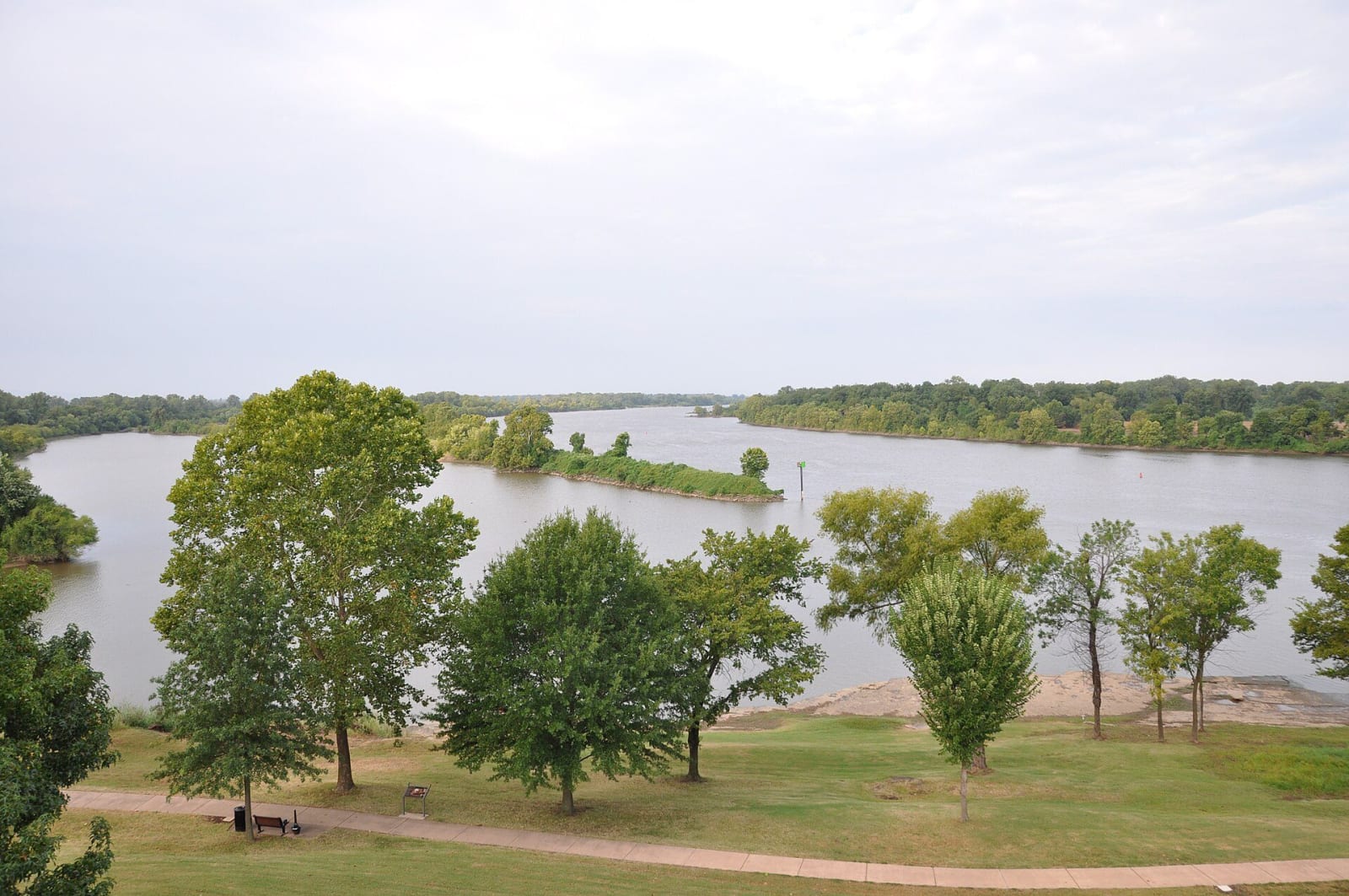
In September 1865 delegates from the nations of Indian Territory came to Fort Smith to learn what the United States intended to do with them. Stand Watie's Confederate Indian command had surrendered on June 23, and Washington treated the nations that had signed treaties with the Confederacy as defeated enemies. The talks were held in the old enlisted men's barracks, which is now the visitor center at Fort Smith National Historic Site. The National Park Service counts delegates from twelve nations, from Cherokee and Choctaw to Osage, Quapaw and Comanche.
Forfeited
Dennis N. Cooley, the Commissioner of Indian Affairs, presided over a five-man commission with Elijah Sells, Thomas Wistar, Gen. William S. Harney and Col. Ely S. Parker. He opened the council on September 8. The Encyclopedia of Arkansas quotes him saying the nations had "rightfully forfeited all annuities and interests in the lands in the Indian territory." The next day he laid out seven conditions: permanent peace, help keeping the Plains nations at peace, an end to slavery with freedpeople taken in as equals, land for tribes moving from Kansas, one consolidated government, and the exclusion of white settlers.
The nations that had stayed loyal met first. The delegates who had sided with the Confederacy arrived on September 15. The Cherokee were split between the followers of Stand Watie and the Pin Indians, and Cooley called Principal Chief John Ross a conspirator. The commission refused to recognize him and dealt with Assistant Chief Lewis Downing instead. The Cherokee Phoenix reports that some delegates said they could not sign anything without their councils' consent.
The signers
On September 13 the delegates signed a short agreement that restored peace and repudiated every Confederate alliance. Among the signers listed in the 1865 report of the Commissioner of Indian Affairs were the Creek head chief Ock-tar-sars-ha-jo, the Osage principal chief White Hair, the Seminole delegate John Shup-co and the Choctaw William S. Patton. Also listed are Ketch Barnett, John McIntosh, Scipio Barnett, Jack Brown and Cow Tom, delegates for the Black population among the Creeks and Euchees, whose own place in the nations was one of the questions on the table.
The Indian Office does not count the paper as a treaty. The Encyclopedia of Arkansas says the Native delegates objected most to the freedmen's provisions and to consolidation, which they feared would erode their separate identities. The council broke up between September 21 and 23, depending on the account, with no comprehensive settlement.
Washington, 1866
The real terms were written in Washington the next year. The Choctaw and Chickasaw treaty came on April 28, the Creek on June 14 and the Cherokee on July 19. The treaties required the nations to end slavery, provide for freedpeople, cede land and accept a general council. Bill Corbett, a retired Northeastern State University historian, gave three motives for the council at its 150th anniversary in 2015: opening the territory to railroads and speculators, breaking up the nations' governments, and punishing the nations for the Confederate alliance.
At Fort Smith National Historic Site, start in the visitor center, the former barracks where the delegates sat in 1865.