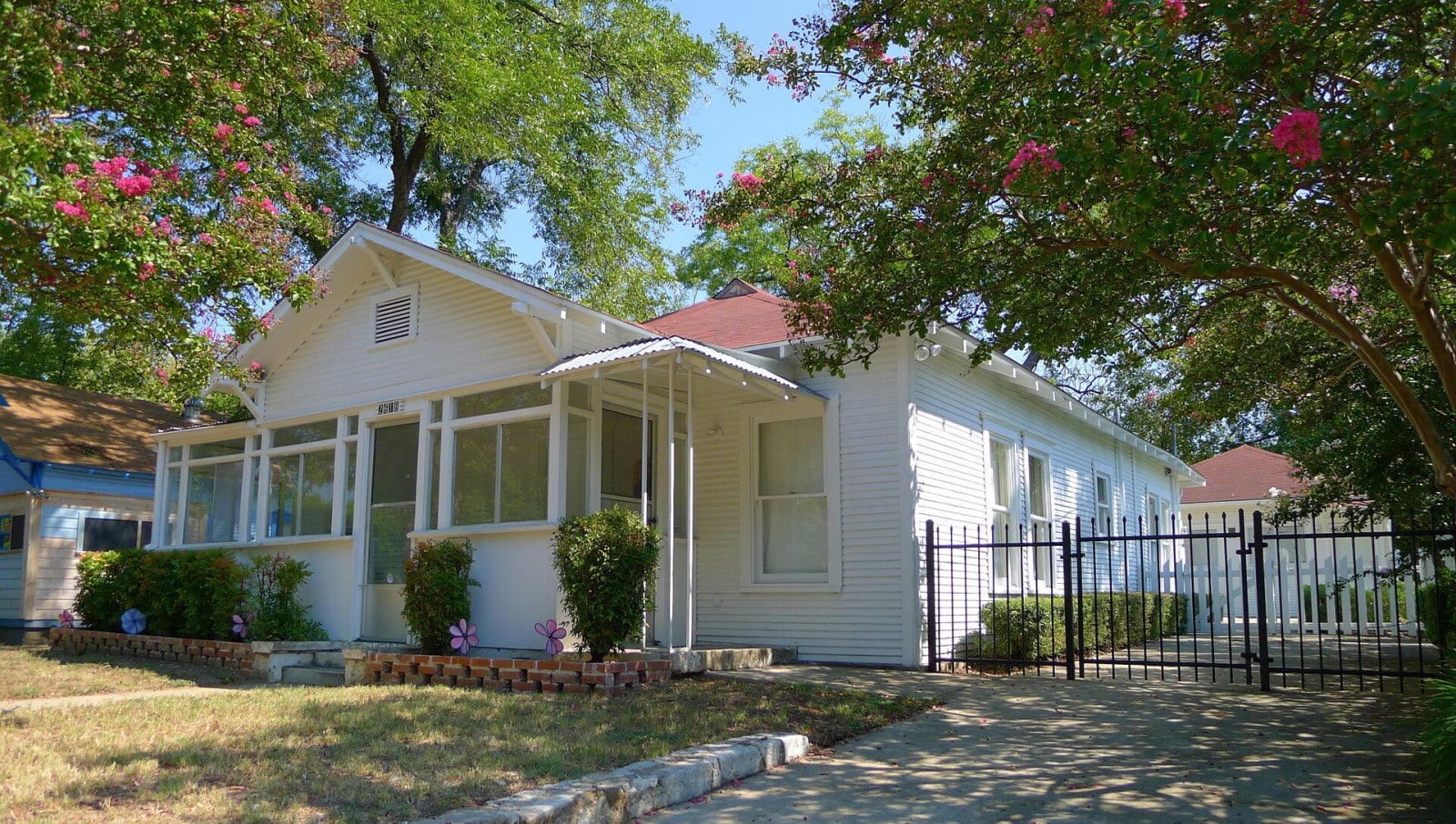
Juanita Craft was born Juanita Shanks in Round Rock in 1902, the only child of a high school principal and a teacher whose own parents had been enslaved. She came to Dallas in 1925 and worked as a maid at the Adolphus Hotel until 1934. She joined the NAACP the next year. In 1944 she became the first Black woman in Dallas County to vote in the Democratic primary, and in 1946 she was named both a Texas field organizer for the NAACP and adviser to its Dallas Youth Council, work the Handbook of Texas calls a prototype for NAACP youth groups across the country.
Negro Day
The State Fair of Texas began in 1886, and its segregation came with it. By the 1950s the fair kept one day for Black visitors, and by tradition they entered Fair Park in a parade. Joe Atkins, a teenager in Craft's youth group, remembered that she opposed the parade. At meetings at her house she told students to go to the fair on every open day and skip the parade, and school administrators punished some of them by stripping their academic honors. One day a year was also the only day Black Dallasites could ride the midway, as George Allen, later the first Black man elected to the Dallas City Council, remembered when his youngest child asked about the Ferris wheel.
October 1955
That October Bessie Slider Moody, sixteen, and her brother walked the midway and stood in line with white customers for the Ferris wheel, the roller coaster and food. They were refused each time, returned the next night and were refused again. Moody took careful notes for the NAACP lawyers, and the group followed Craft's instruction to go about it in the legal way. The Youth Council also picketed the fair's entrance. The photographer R. C. Hickman recorded the march, and one sign read, "It's No Achievement to be Segregated at the Fair. Stay Out." Another sign, reported by the city's human rights map, read, "Today is Negro Appeasement Day at the Fair."
What it took
The same year Craft tried to help enroll the first Black student at North Texas State College in Denton. Texas Monthly names that student as Atkins, turned away in 1954 after she urged him to apply. The NAACP sued, and the school desegregated in 1955. The fair took longer. The City of Dallas and the Dallas Morning News say the designated days were dropped in 1961, and the newspaper dates complete desegregation to 1967. Texas Monthly counts eleven years of picketing.
Craft kept going. She served two terms on the city council from 1975 to 1979 and her house on Warren Avenue passed to the city, which opened it as the Juanita J. Craft Civil Rights House museum in 2023. She died in 1985.
The gate she picketed is at Fair Park, where the State Fair still opens each autumn. Inside the grounds the African American Museum keeps the history of the Hall of Negro Life, and the State Fair of Texas marker gives the fair's own account.