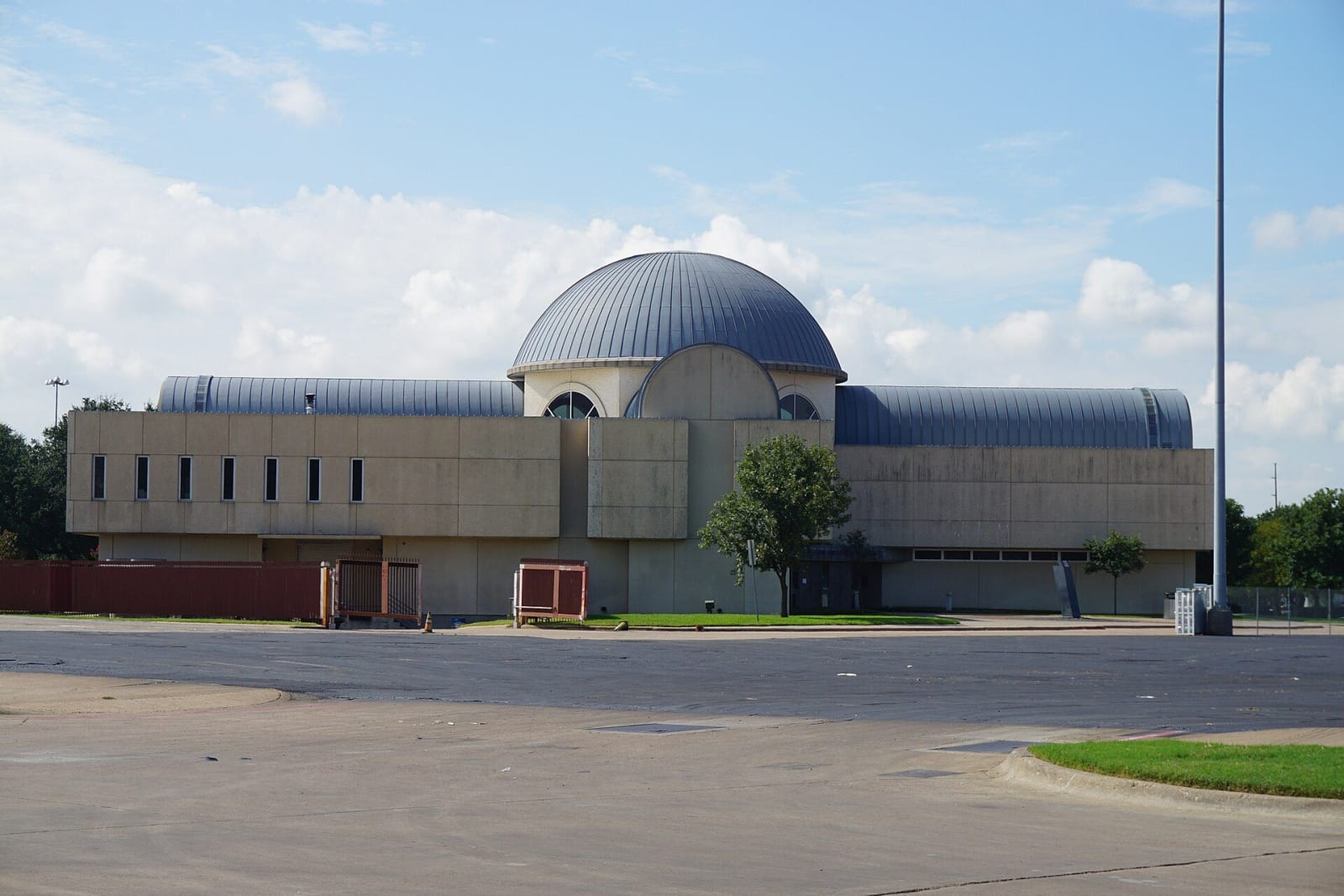
 Michael Barera / CC BY-SA 4.0 via Wikimedia Commons
The Story
The museum began in 1974 as a single room on the second floor of Bishop College's Zale Library, started by the college's librarian, Dr. Harry Robinson Jr., as the Southwest Research Center and Museum of African-American Life and Culture. When Bishop College went bankrupt in 1988 the museum moved its offices to Fair Park, and it broke ground there for its own building on November 4, 1989.
Its collections include more than sixty archival collections, over 200 African artifacts and over 150 paintings and sculptures. The Sepia magazine photographic archive holds more than 20,000 photographs of Black life. Antonio Maceo Smith, who in 1933 became the first executive secretary of the Dallas Negro Chamber of Commerce, worked with the NAACP on Smith v. Allwright and Sweatt v. Painter, and a collection of his papers is kept here.
Smith also helped bring the Hall of Negro Life to the 1936 Texas Centennial Exposition. Federal money paid for it at the urging of Black Dallas leaders, and Aaron Douglas painted four murals of Black history in Texas for its lobby. More than 400,000 people visited, an estimated 60 percent of them white, and the hall was torn down afterward. The museum says a state marker for it was dedicated on its grounds in December 2023. Admission is free; enter through Gate 5.
Visitor Info
On the Map
Nearby
The closest stops worth working into your route
Historical markers nearby
Roadside plaques and monuments within a short detour