In the language of the Comanche Nation, its people are the Numunuu, The People. On May 19, 1836, a large Comanche force with Kiowa and Kichai allies attacked Fort Parker, a family stockade in what is now Limestone County, and carried off five captives. One was a girl named Cynthia Ann Parker. The others were eventually released. She stayed nearly twenty-five years, and in the words of the Handbook of Texas she became thoroughly Comanche. In 1846 the elders refused a trader's ransom for her. She took the name Naduah, married Peta Nocona and had two sons, Quanah and Pecos, and a daughter, Topsannah, or Prairie Flower.
Mule Creek
In late 1860 Governor Sam Houston had Lawrence Sullivan Ross raise a Ranger company to pursue Comanche raiders. About forty Rangers rode with some twenty United States cavalrymen and about ninety militia volunteers. In December they found a Comanche hunting camp on Mule Creek, a tributary of the Pease River. The militia's horses were worn out, and the Rangers and soldiers attacked alone. It lasted minutes. Naduah, her baby daughter and a Comanche boy were taken. Ross reported twelve dead. John Hamilton Baker, who rode with the militia and kept a diary, found four dead, all women, and the next day three more, all male, probably including boys who herded the horses. Perhaps six people escaped. In 1928 a Ranger who was there, Hiram B. Rogers, said, "I was at the Pease river fight, but I'm not very proud of it."
Two stories of Peta Nocona
Ross came to say that he had killed or directed the killing of Peta Nocona. The Handbook holds that the weight of evidence supports this: Ross's interpreter identified the chief, and Naduah wept over a dead man and called him Nocona. Comanche accounts say otherwise. Quanah said more than once that his father died in the mid-1860s. The Army interpreter Horace P. Jones said he spoke with Nocona at Fort Cobb more than a year after the attack. Ron Parker, Quanah's great-grandson, was taught that Nocona was away with his sons and warriors that day and died later of an infection. Even the date is disputed, December 18 in Ross's account and December 19 in recent research.
Taken twice
Her uncle, Isaac Parker, identified her. In Fort Worth she was photographed with her daughter at her breast and her hair cut short, a Comanche sign of mourning. In April 1861 the legislature voted her a pension and a league of land. She tried more than once to get back to her Comanche family and never did. A census still listed her in 1870, and she was buried in Anderson County. In 1910 Quanah moved her body to Oklahoma, and in 1957 her remains and his were reinterred at Fort Sill.
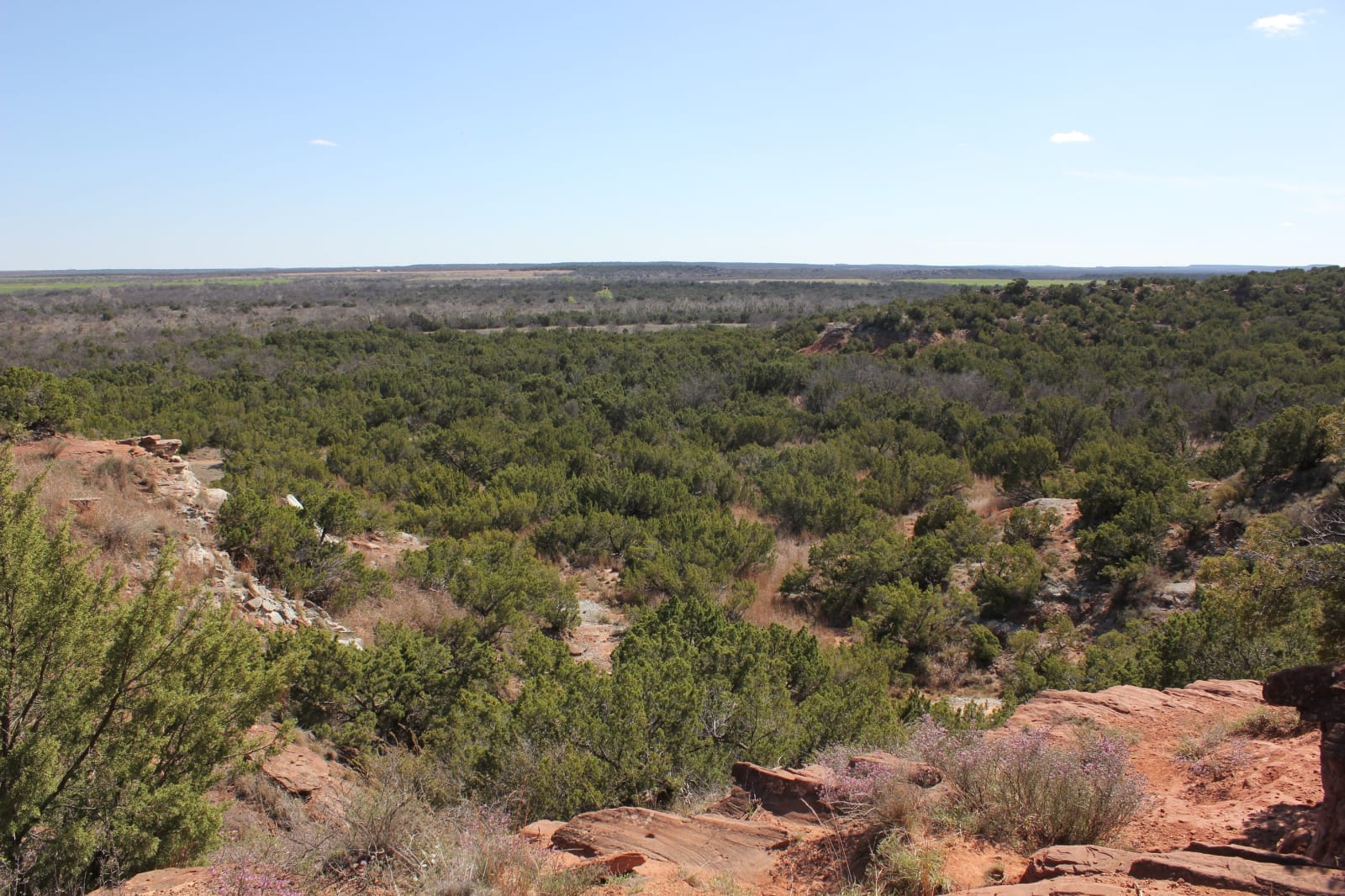
Ross's Pease River grew with each telling. A contemporary said the fight made him governor, and he won the office in 1886. The attack site is told here without directions. The Pease runs through Copper Breaks State Park, and the Comanche Nation tells its own history at the Comanche National Museum and Cultural Center in Lawton.