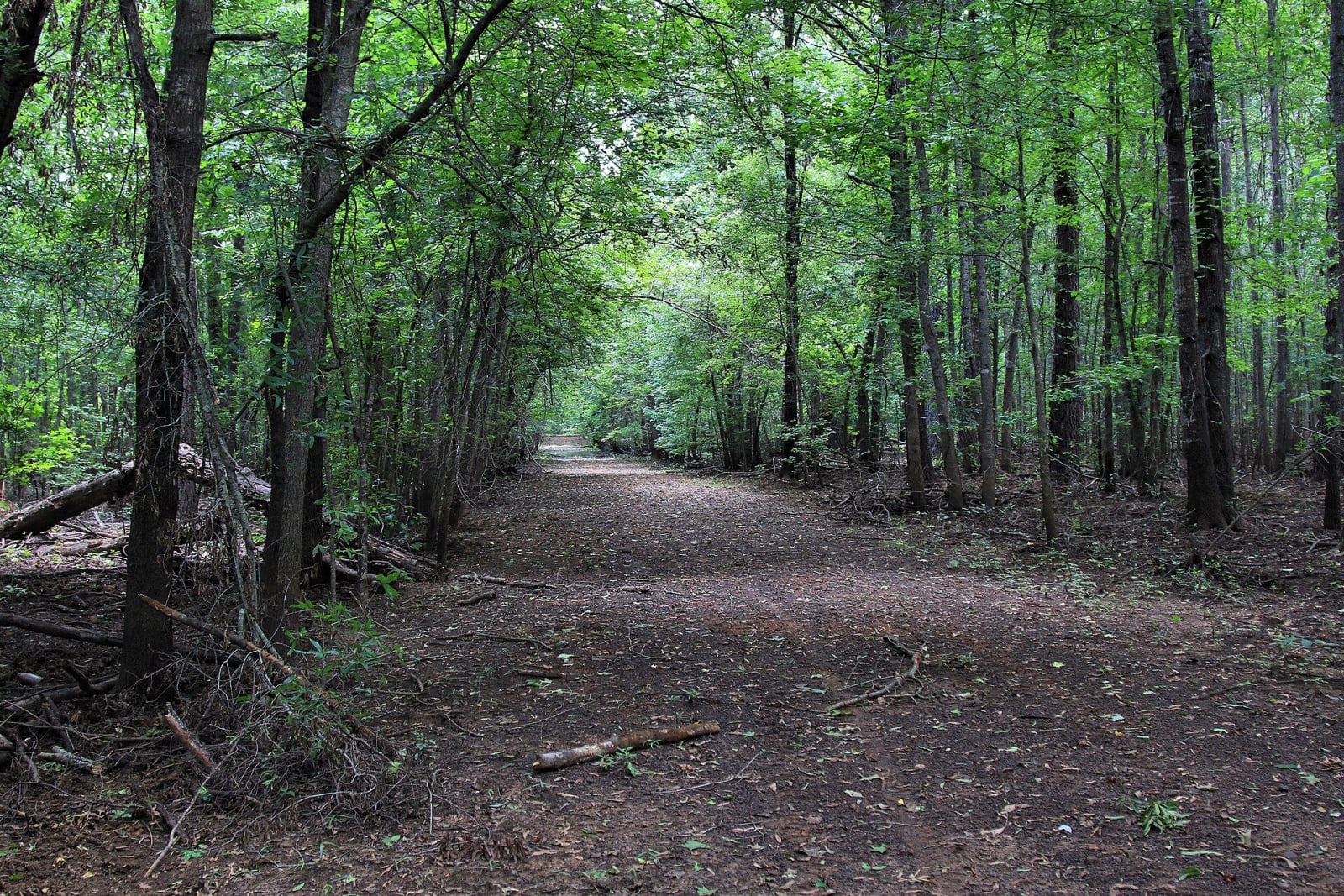
Tyler, Longview & the Piney Woods
Caddo Mounds, Tyler's rose garden and Camp Ford, Kilgore's oil museum, New London's memorial museum and the Texas State Railroad across nine East Texas counties.
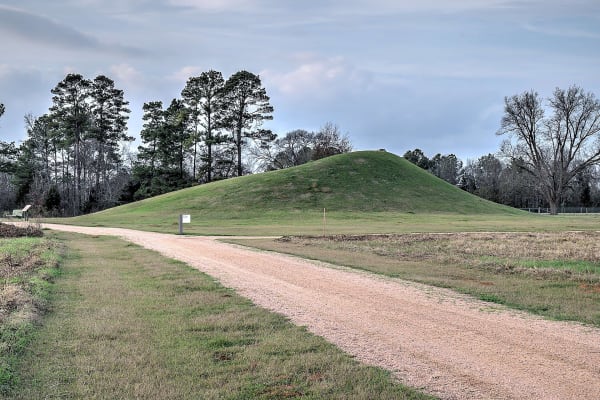
Caddo people settled at what is now Caddo Mounds State Historic Site near Alto about A.D. 800, and the three earthen mounds there are still considered sacred to Caddo people. The site sits on the old El Camino Real de los Tejas, a route laid by Indigenous Texans, and its grass house and trail are open to visitors Tuesday through Sunday. Texas Parks and Wildlife says the Wichita and Caddo peoples also roamed the country around Purtis Creek.
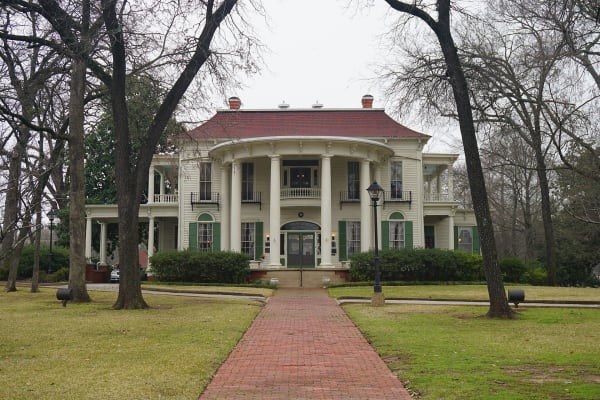
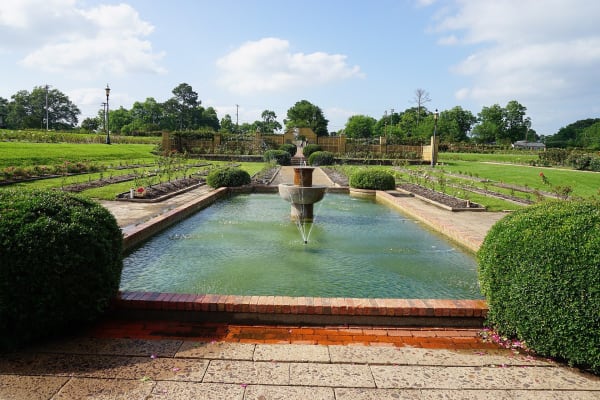
Tyler grew up around roses. After a peach blight, county growers planted so many that by the 1940s more than half the nation's rose bushes came from within ten miles of the city, and the Tyler Rose Garden now holds more than 38,000. Camp Ford Historic Park marks the largest Confederate prison camp west of the Mississippi, and the Goodman-LeGrand House dates from 1859.
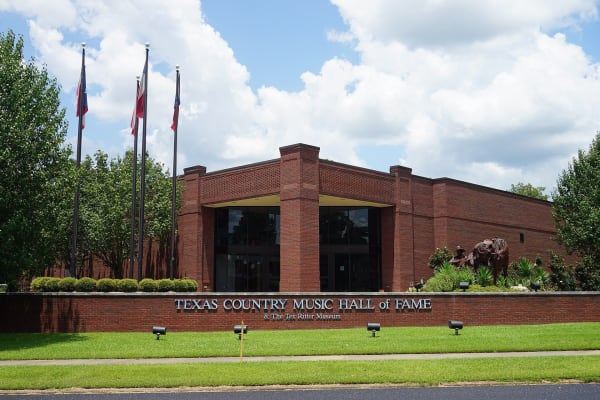
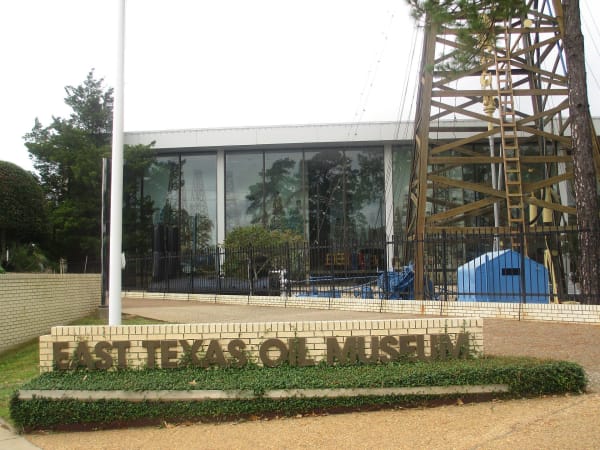
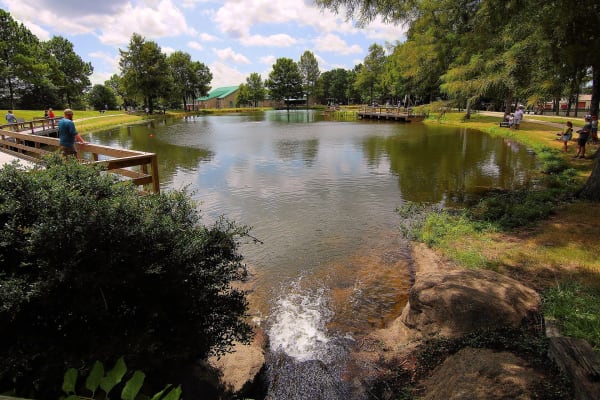
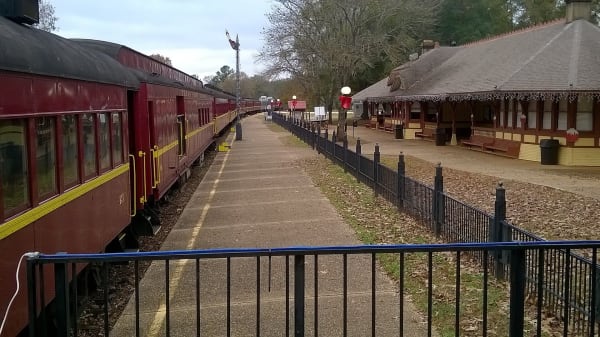
The East Texas Oil Museum in Kilgore rebuilds a 1930s boomtown, the New London Museum keeps the story of the 1937 school gas explosion, and the Texas State Railroad runs from Palestine to Rusk on a line first built by convict labor. Tyler and Purtis Creek state parks, and the fisheries center at Athens, are places to fish. In Quitman a city park keeps houses tied to Governor Hogg's marriage, and in Carthage a museum holds Tex Ritter's boots and guitars.
What to See in Tyler, Longview & the Piney Woods
12 places across the region, grouped by what they are.
Natural Areas
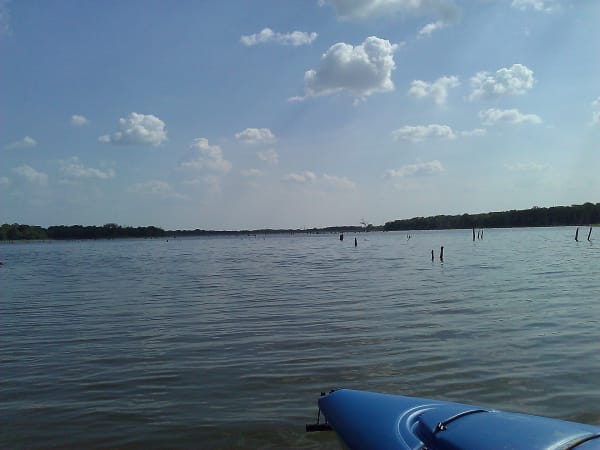
Hikes & Trails
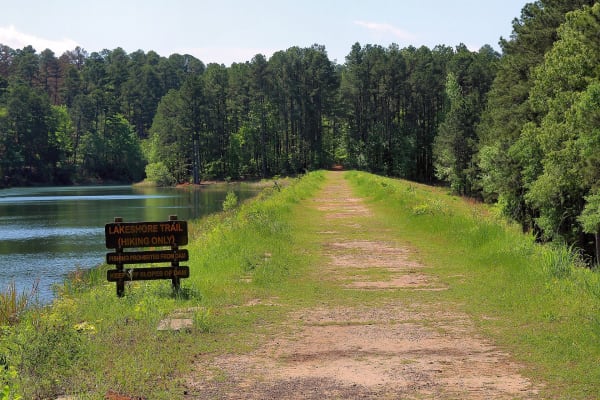
Historic Sites
Towns & Gateways
Architecture
Industry & Mining
Attractions
Tyler, Longview & the Piney Woods rewards the unhurried. Pick a base, fan out, and let the country between the headline stops surprise you.
← Explore more of Open Road Guide