Parkersburg & the Mid-Ohio Valley
Blennerhassett Island and Sumner School, the first oil wells at Burning Springs and Volcano, Sistersville's boom, the North Bend Rail Trail and the Ohio's wooded islands.
People farmed Blennerhassett Island below the mouth of the Little Kanawha for centuries, living in villages of bark and reed-mat houses until about 1680, and in the 1760s the Lenape leader Nemacolin kept a cabin there. Three Adena mounds on the bluff at Henderson Hall are burial places, left undisturbed. Virginia planters followed, and enslaved people worked both the island and the Henderson estate. In 1862, with Parkersburg still part of slaveholding Virginia, the town's Black families opened Sumner School in defiance of Virginia law.
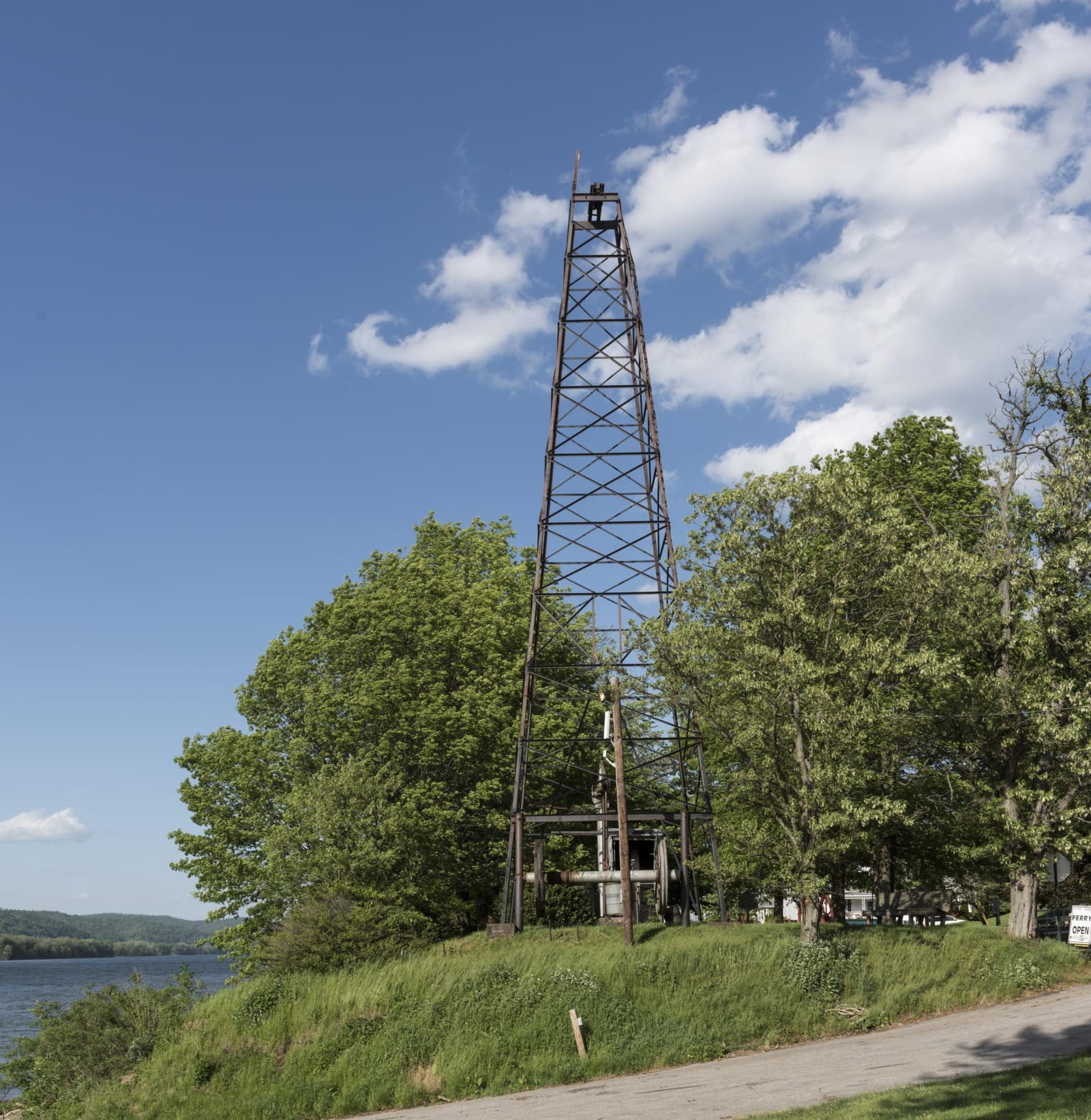
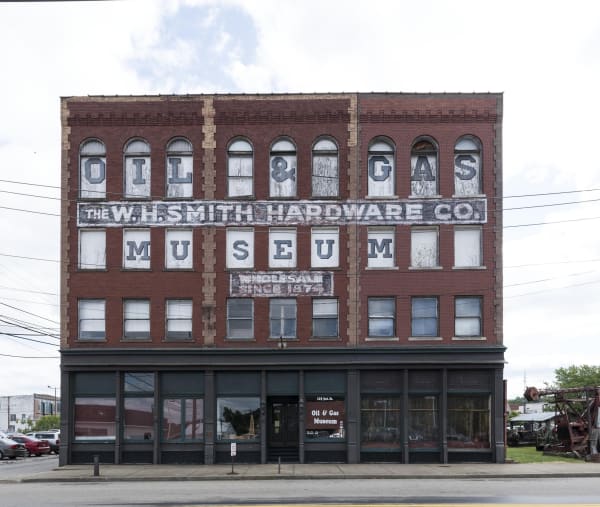
Oil made the valley. The Rathbone wells at Burning Springs began West Virginia's industry in 1860, and Confederate raiders set the field and the river ablaze in 1863. Volcano pumped its hills by endless cable where Mountwood Park now spreads, Sistersville grew tenfold in the 1890s, and Parkersburg refined the crude and sent the men who helped make a new state, a story told at the Oil & Gas Museum and on the hill at Fort Boreman.
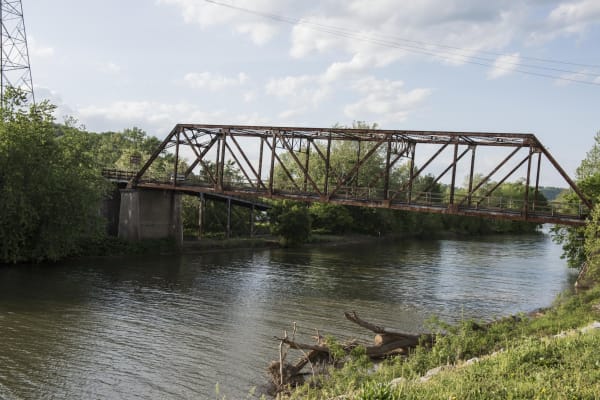
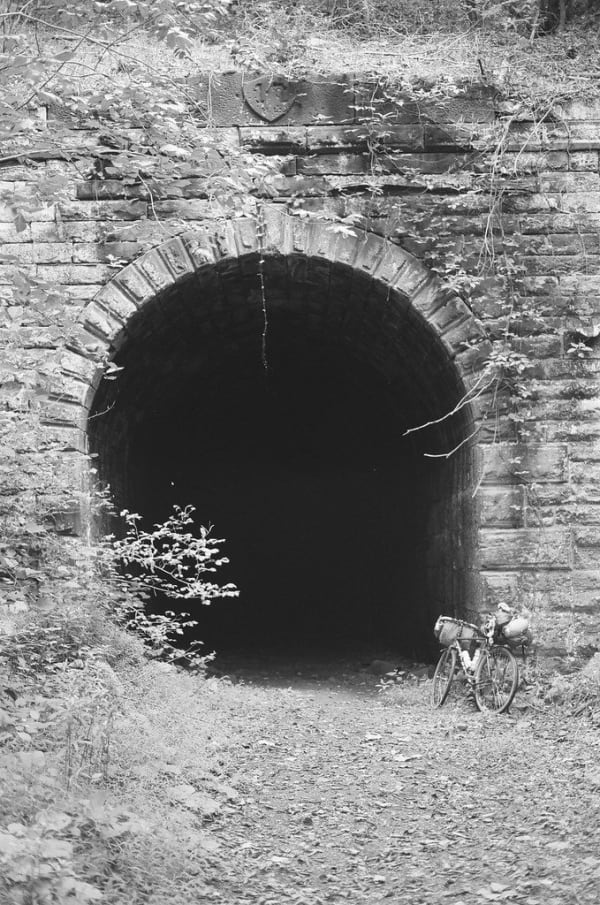
The B&O's old Parkersburg Branch is now the North Bend Rail Trail, running through tunnels past Cairo and North Bend State Park. Wooded refuge islands in the Ohio shelter herons, eagles and rare mussels, and beside WV 2 a memorial names the 51 men killed building a cooling tower at Willow Island in 1978.
What to See in Parkersburg & the Mid-Ohio Valley
12 places across the region, grouped by what they are.
Natural Areas
Hikes & Trails
Historic Sites
Industry & Mining
Parkersburg & the Mid-Ohio Valley rewards the unhurried. Pick a base, fan out, and let the country between the headline stops surprise you.
← Explore more of Open Road Guide