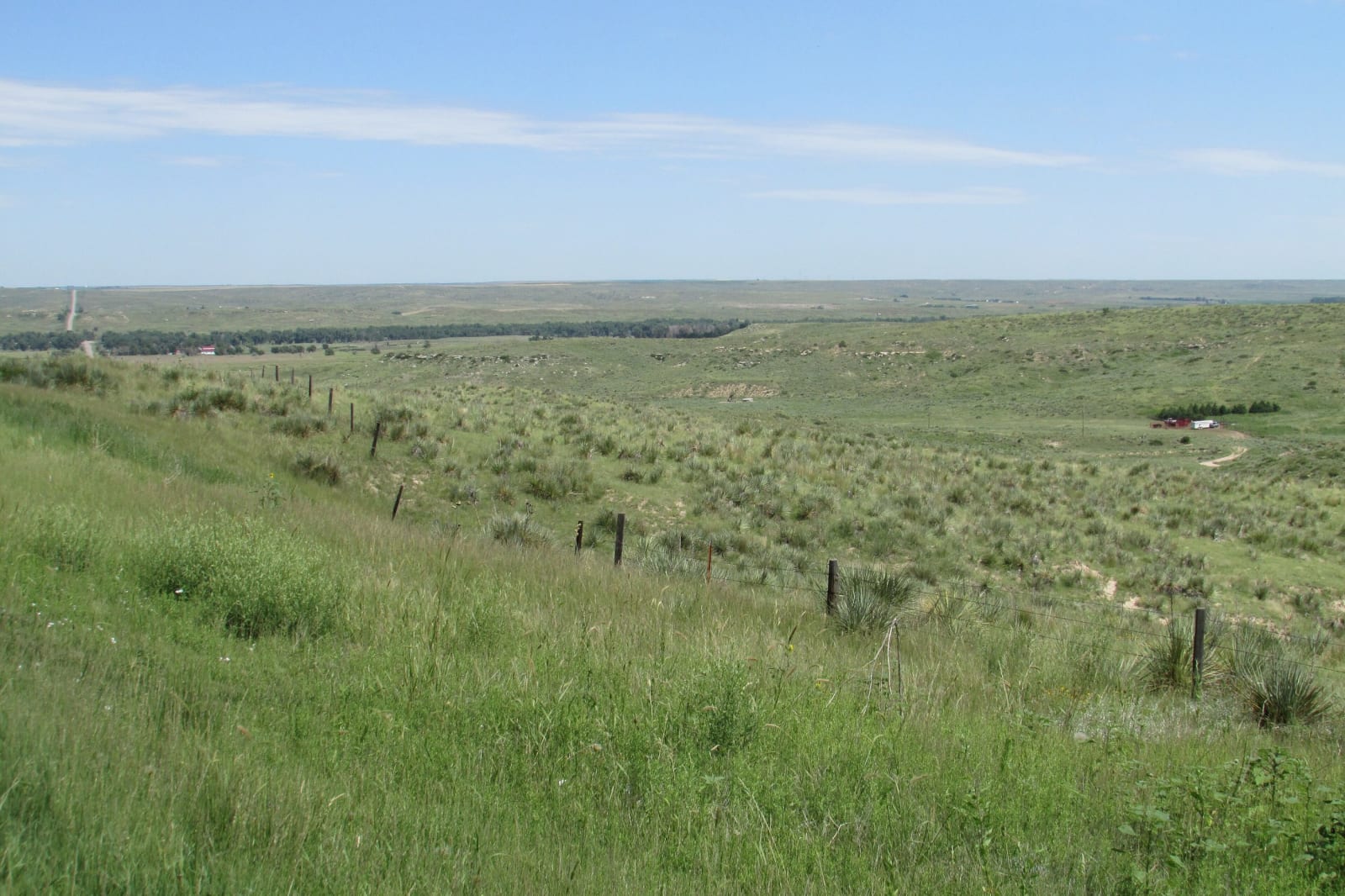
The Northeastern Plains
The South Platte road and Colorado's only Pony Express station, the raids that burned Julesburg after Sand Creek, Beecher Island, and Summit Springs.
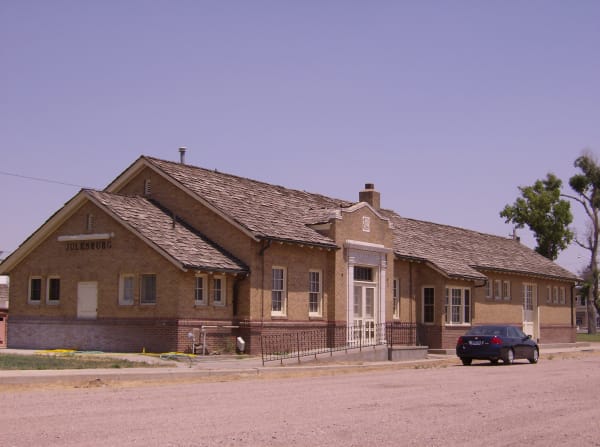
These shortgrass plains were Cheyenne, Arapaho and Lakota hunting country, and the South Platte that crosses them was the road west long before the gold rush. Emigrants, freighters and the Overland stage followed it up from Julesburg, which in 1860 and 1861 was also the only Pony Express station in present-day Colorado.
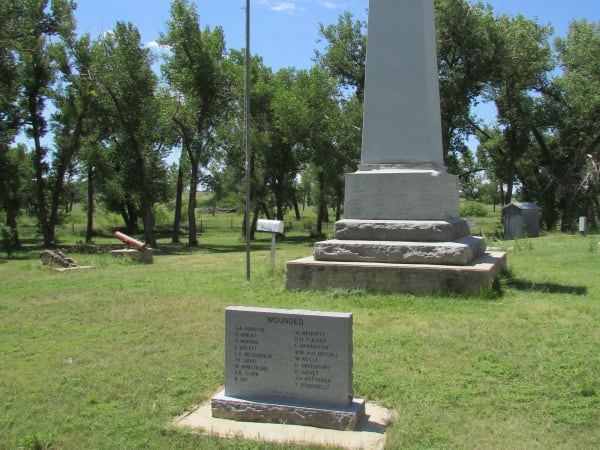
After Sand Creek the plains peoples gathered on Cherry Creek in Kansas on January 1, 1865, and struck back along the river. On January 7 about a thousand Cheyenne, Arapaho and Lakota warriors drew the soldiers out of Fort Rankin beside Julesburg and killed fourteen of them; for weeks ranches and stage stations up and down the South Platte were raided, and on February 2 the warriors returned and burned Julesburg to the ground. The Army built Fort Sedgwick there that summer.
The fighting on these plains ended within five years. In September 1868 scouts under Major George Forsyth held off Cheyenne, Lakota and Arapaho warriors for days on an island in the Arikaree River, and the Cheyenne warrior Roman Nose was killed leading a charge on the first day. On July 11, 1869, the 5th Cavalry and its Pawnee scouts surprised the Dog Soldier camp of Tall Bull at Summit Springs, south of present-day Sterling, and Tall Bull was killed with dozens of his people. It is counted the end of armed Native resistance on the Colorado plains.
What to See in The Northeastern Plains
3 places across the region, grouped by what they are.
Historic Sites
Towns & Gateways
Stories from The Northeastern Plains
The Northeastern Plains rewards the unhurried. Pick a base, fan out, and let the country between the headline stops surprise you.
← Explore more of Open Road Guide