The Mississippi Gulf Coast
Native towns on the Pascagoula, a Civil War island fort, the Biloxi wade-ins, Walter Anderson's murals and NASA's test stands along 44 miles of Mississippi shore.
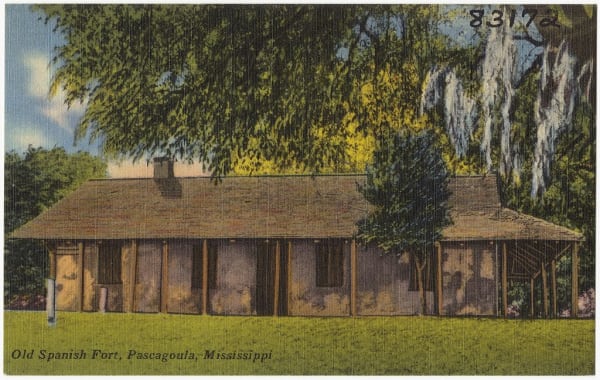
The Pascagoula, Biloxi and Capinan peoples had towns on this coast long before French ships anchored off Ship Island in 1699, and the LaPointe-Krebs House in Pascagoula stands on ground where their pottery still turns up beside the record of a plantation worked by enslaved Africans. The Pascagoula River, the last big one in the lower forty-eight left undammed, runs down to the Mississippi Sound past the Sandhill Crane refuge and the wildlife management area.
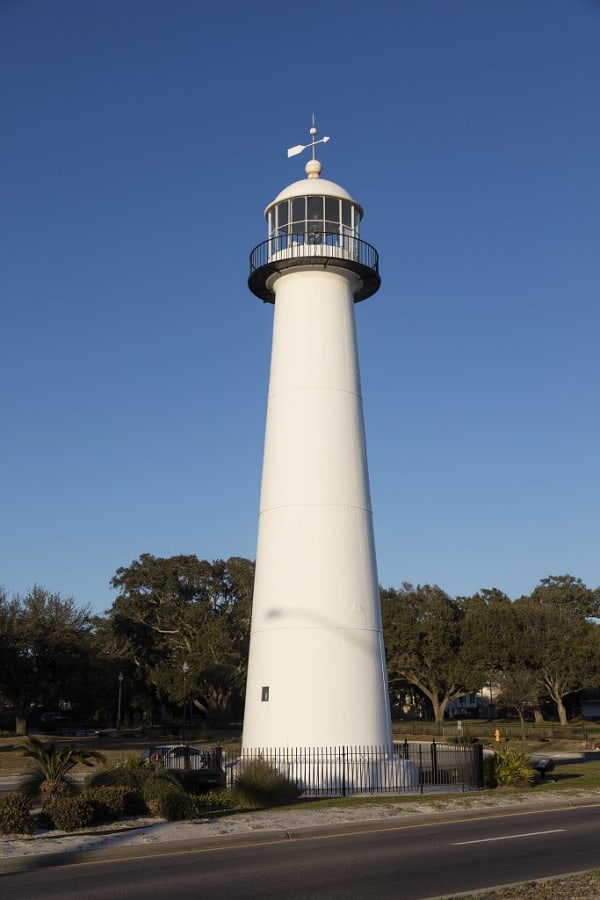
Ship Island's fort held Confederate prisoners and, from 1863, the Black soldiers of the 2nd Louisiana Native Guard. In Biloxi the lighthouse stands beside the beach where Dr. Gilbert Mason and more than a hundred neighbors waded in on April 24, 1960, and a white mob attacked them. The Maritime & Seafood Industry Museum tells of schooners, shrimpers' unions and the Vietnamese families who rebuilt the fleet, and the Ohr-O'Keefe holds George Ohr's twisted pots.
Ocean Springs keeps Walter Anderson's murals. West, toward the Pearl River, INFINITY at Stennis recalls five towns moved for the Saturn V test stands, and the Crosby Arboretum shows the pine country behind the coast. Hurricanes Camille and Katrina left marks on many of these stops, and the places tell how each one came back.
What to See in The Mississippi Gulf Coast
12 places across the region, grouped by what they are.
Natural Areas
Historic Sites
Towns & Gateways
Attractions
The Mississippi Gulf Coast rewards the unhurried. Pick a base, fan out, and let the country between the headline stops surprise you.
← Explore more of Open Road Guide