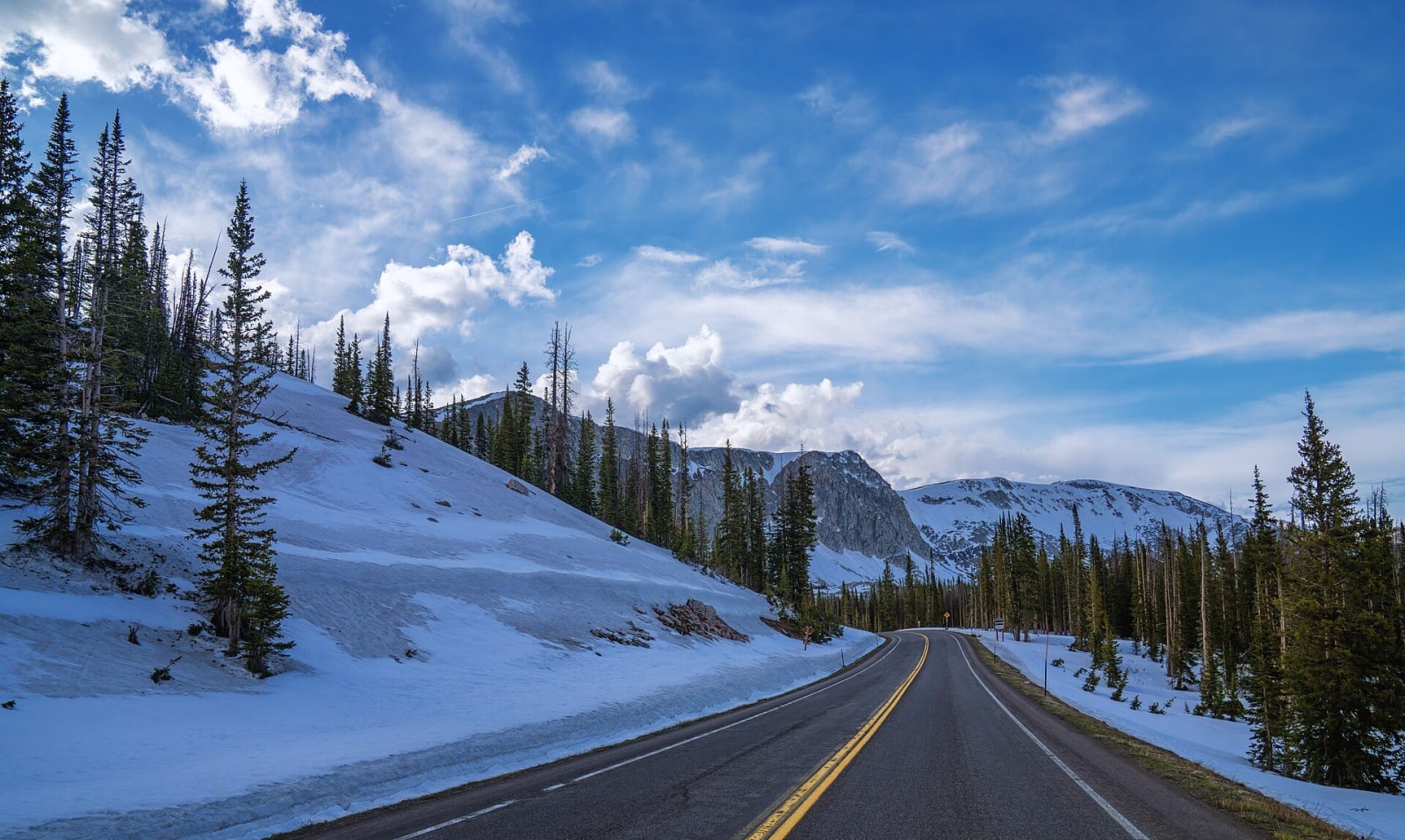
Cheyenne, Laramie & the Snowy Range
The Union Pacific's summit and the Ames pyramid, Laramie's first women jurors and first woman voter, and the territorial prison that held Butch Cassidy.
Cheyenne carries the name of a people whose hunting ground this was, along with the Arapaho and the Lakota. The Union Pacific reached it by the end of 1867 and Laramie the next year, climbing between them over Sherman Summit at 8,247 feet, the highest point on the first transcontinental railroad. There in 1882 the railroad finished a granite pyramid designed by Henry Hobson Richardson in memory of Oakes and Oliver Ames, the brothers who had financed and run it; Oakes had been censured by Congress in 1873 over the Crédit Mobilier fraud. The railroad later moved its tracks south, and the town of Sherman beside the monument died.
Laramie put the suffrage law of 1869 to work first. In March 1870 six women were called to a grand jury there, the first time in history women had served on one, and on September 6, 1870, Louisa Swain, seventy years old, cast the first documented vote by a woman in Wyoming. The territorial penitentiary, finished in 1872 on the west side of the Laramie River, took in its most famous prisoner on July 15, 1894: George Cassidy, serving time for horse theft, who was pardoned eighteen months later. In 1901 the prisoners were moved west to the new state penitentiary at Rawlins, which held inmates until 1981; both prisons are open to visitors now.
What to See in Cheyenne, Laramie & the Snowy Range
5 places across the region, grouped by what they are.
Geology & Rock Formations
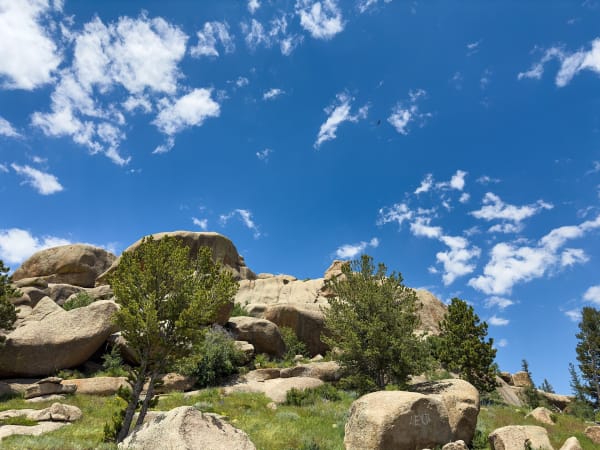
Natural Areas
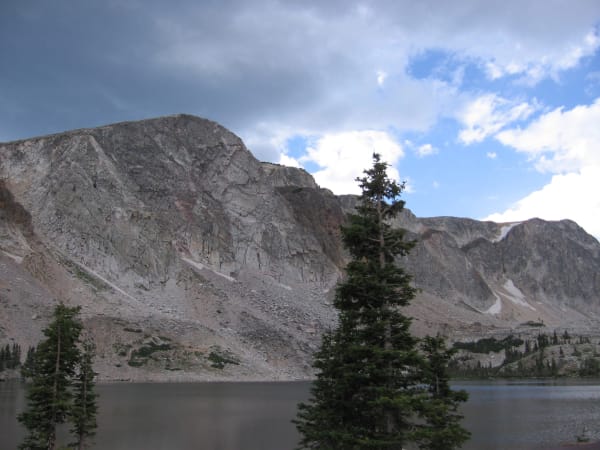
Historic Sites

Towns & Gateways
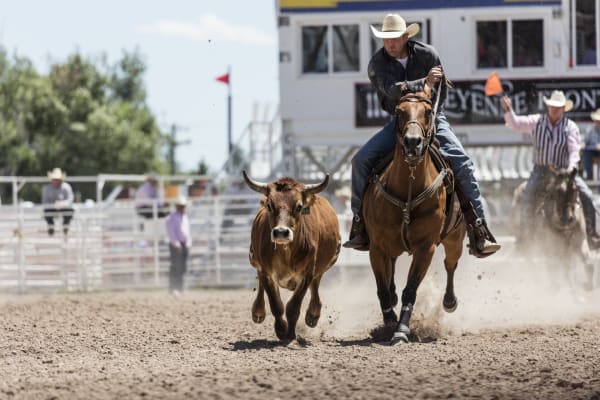
Architecture
Stories from Cheyenne, Laramie & the Snowy Range
Cheyenne, Laramie & the Snowy Range rewards the unhurried. Pick a base, fan out, and let the country between the headline stops surprise you.
← Explore more of Open Road Guide