 Carol M. Highsmith / public domain via Library of Congress
The Story
In the fall of 1861, with thousands of freedom seekers camped behind the Union lines at Fort Monroe, the American Missionary Association asked Mary S. Peake to teach their children. Virginia had banned teaching enslaved people after Nat Turner's rebellion in 1831. Peake, the association's first Black teacher, is said to have begun her classes under this live oak, and was soon teaching up to fifty children by day and twenty adults at night. In 1863 the Black community of the Peninsula gathered beneath it to hear one of the first readings of the Emancipation Proclamation in the South, and the tree has carried the name ever since.
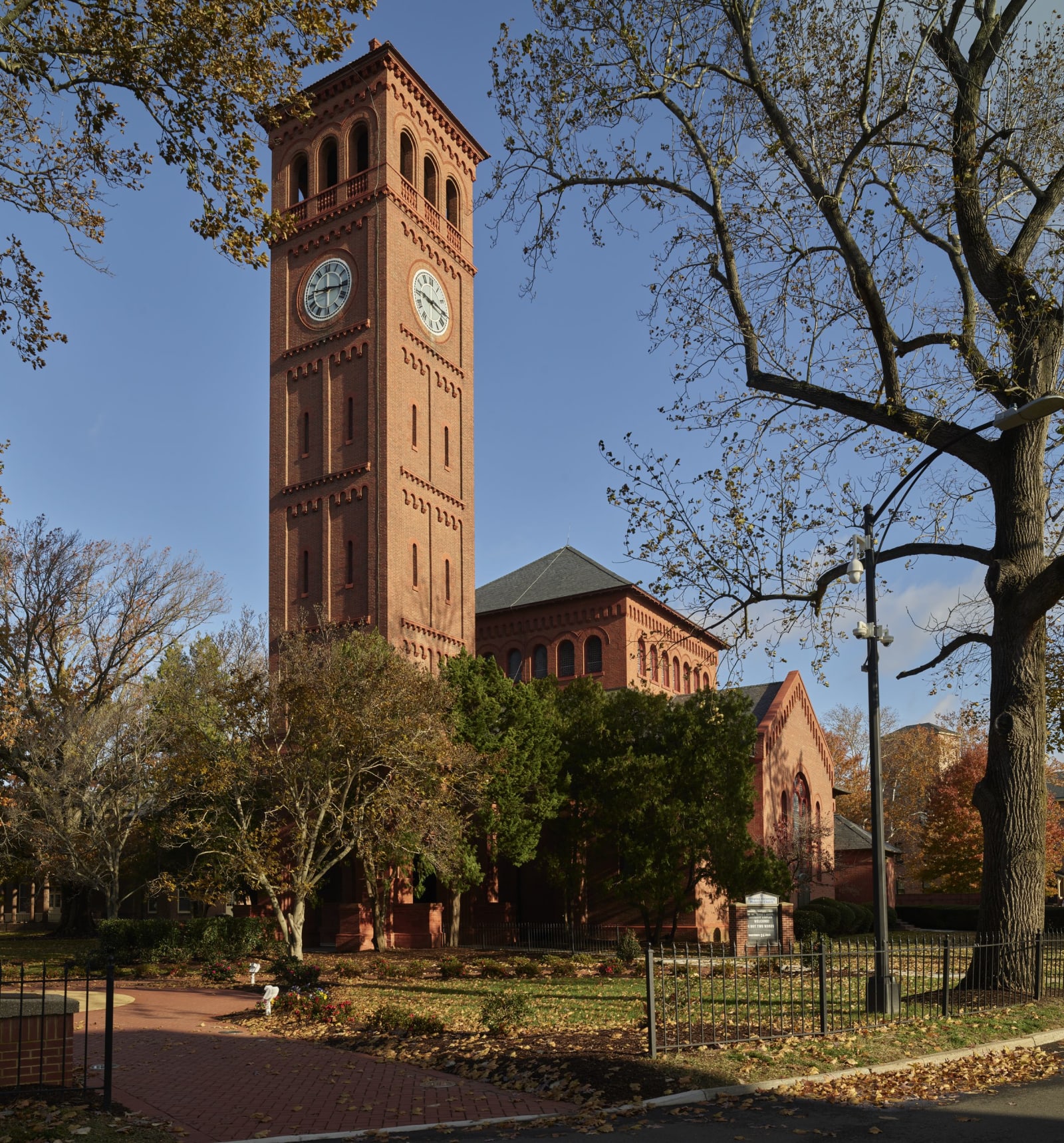
In 1868 Samuel Chapman Armstrong, the local Freedmen's Bureau agent, founded Hampton Normal and Agricultural Institute here to train the formerly enslaved people who had gathered in the area. Students built Virginia Hall, designed by Richard Morris Hunt and finished by 1874, and Booker T. Washington studied here from 1872 to 1875. Hampton also enrolled Native American students; Wigwam, built in 1878, housed them.
Armstrong started a "Curiosity Room" the year the school opened, and it grew into the Hampton University Museum, the oldest African American museum in the country and the oldest museum in Virginia. Its collection of African American fine art began in 1894 with two paintings by Henry O. Tanner, one of them The Banjo Lesson, and holds work by John Biggers, Elizabeth Catlett and Samella Lewis. Galleries on the first floor tell the lives of the Native students. The oak stands a short walk away on the campus.
Visitor Info
On the Map
Nearby
The closest stops worth working into your route
Historical markers nearby
Roadside plaques and monuments within a short detour