 Virginia State Parks / CC BY 2.0 via Flickr
The Story
Chippokes takes its name from Choapoke, a weroance of the Quiyoughcohannock, whose country covered nearly a hundred square miles of this south shore of the James, facing Jamestown across the river. In 1619 Captain William Powell received a grant on Chippokes Creek, the first recorded English ownership, and the land has been a working farm ever since. Colonel Henry Bishop enlarged it to about 1,403 acres in 1646.
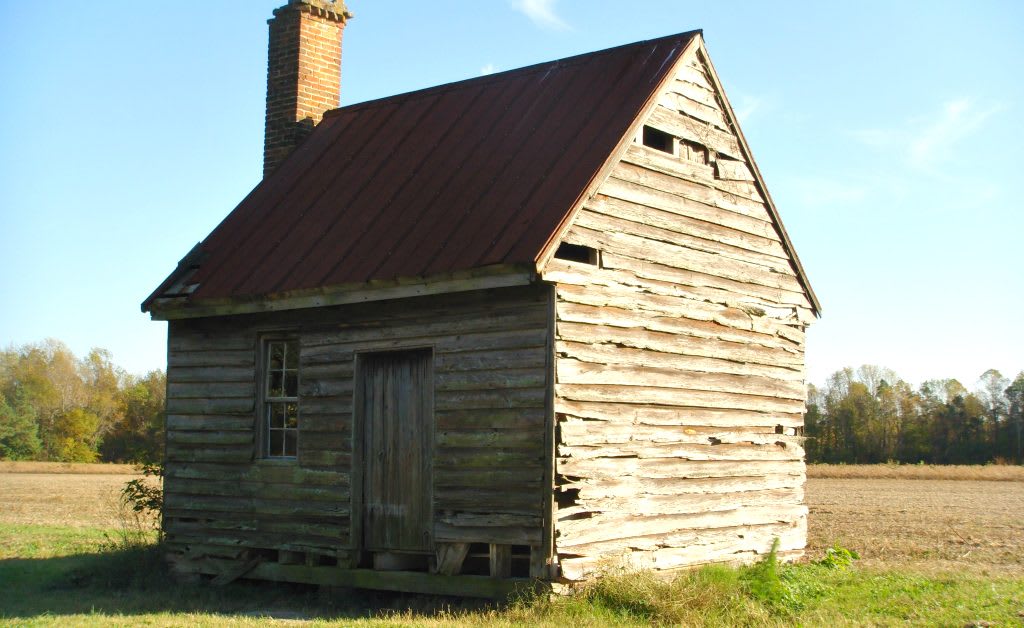
The work was done by enslaved people. Ludwell owners relied on enslaved workers, and just before the Civil War 47 enslaved men, women and children lived on Chippokes; at least one stayed on after freedom. At Walnut Valley, a plantation added to the park in 2004, a dwelling built for enslaved people in 1816 still stands at the edge of a field, one of the oldest such quarters left in Virginia. Albert Carroll Jones built the Italianate mansion in 1854 and distilled brandy from the apple and fig orchards. In 1967 Mrs. V. W. Stewart gave the property to the Commonwealth in memory of her husband.
Mansion tours run Friday to Monday from April through October. The Chippokes Farm and Forestry Museum, opened in 1990, fills a cluster of buildings with the tools of Tidewater farm life from 1619 to 1950 and is open from March to early December. About twelve miles of trails cross the fields and woods, and on the riverfront the beach gives up Miocene and Pliocene fossils. The Scotland ferry landing is a short drive north.
Visitor Info
On the Map
Nearby
The closest stops worth working into your route
Historical markers nearby
Roadside plaques and monuments within a short detour