 jimbowen0306 / CC BY 2.0 via Flickr
The Story
Hannah Reynolds was enslaved in the house of Dr. Samuel Coleman in this county-seat village. On April 8, 1865, she was too ill to flee with the household, and the next morning a Confederate artillery shell passed through the house and struck her in the arm. Federal surgeons could not save her. She died on April 12, a free woman, the only civilian killed in the battle. In early 1865 more than 4,600 people, about half the county, were enslaved here, and the surrender made the Emancipation Proclamation real for every one of them. Spencer Johnson, a carriage driver held a mile away, remembered that he had been "craving and wishing to be free all my life."
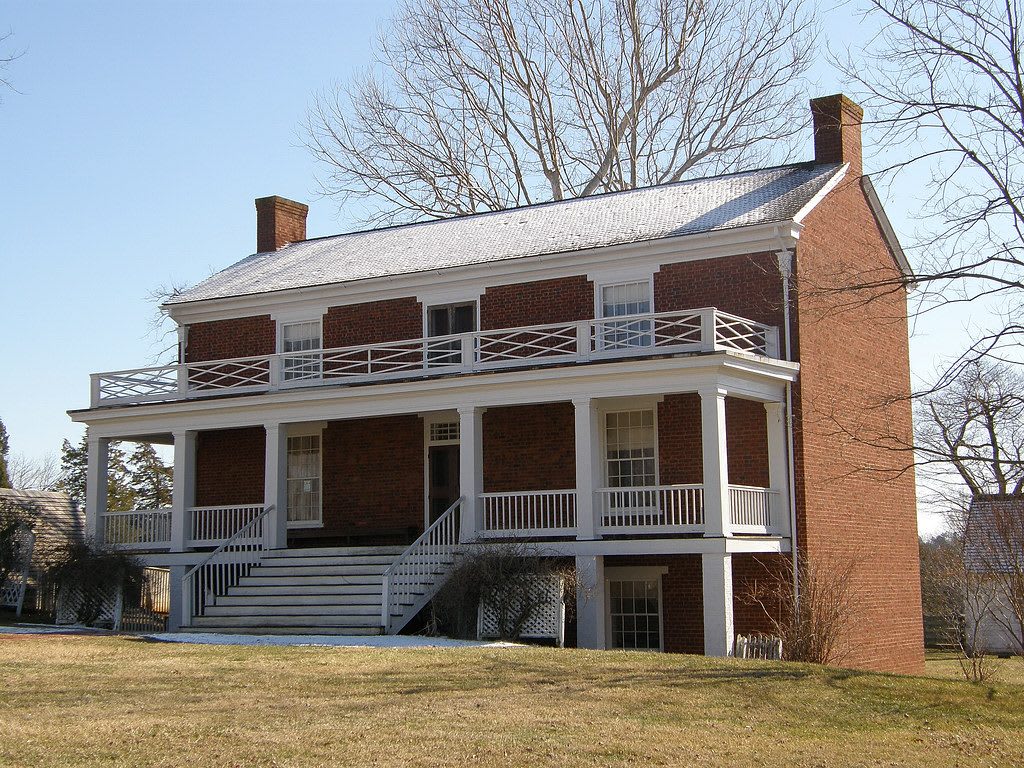
At dawn on April 9 Lee's army, cut off on its retreat west from Petersburg, attacked the Union lines around the village and found them too strong; more than 5,000 soldiers of the United States Colored Troops were among the men who closed the road. That afternoon Lee surrendered to Grant in the parlor of the McLean House. On April 12 the Confederates stacked their arms and marched away with parole passes for safe passage home.
The railroad had already passed the village by in 1854, and after the courthouse burned in 1892 the county seat moved to the depot. Investors took the McLean House apart in 1893 for an exhibition that never happened, and it was rebuilt in the late 1940s from about 5,500 surviving bricks. Start at the rebuilt courthouse, now the visitor center, with its 17-minute film, then walk the lane to the house.
Visitor Info
On the Map
Nearby
The closest stops worth working into your route
Historical markers nearby
Roadside plaques and monuments within a short detour