Four Spanish ships left San Juan de Ulúa, the port of Veracruz, on April 9, 1554, with silver and coin bound for Spain. Twenty days later a storm drove three of them onto the sandbars off Padre Island. The Handbook of Texas counts about 300 people aboard the three, and many drowned before reaching the beach. According to the Spanish accounts, people of the coast attacked the survivors who set out on foot for Mexico, and only Fray Marcos de Mena reached Pánuco. A salvage fleet raised somewhat less than half of the cargo that summer. After that the ships were lost to sight for 410 years.
Sixteen shapes in the water
Vida Lee Connor was born in Sweetwater in 1913, one of a dozen children, and married a Corpus Christi hospital owner, Dr. Edwin Connor. In 1964, on an aerial search for reefs near Port Mansfield, the water was unusually clear and she counted sixteen shapes on the bottom. She landed, took off again with rope and small buoys, and marked them. On later dives she found ballast stones foreign to the coast. Students whose research she co-sponsored read Spanish archives in 1965, and she concluded that she had found the lost fleet. She fitted the hospital's yacht, Vida Lee III, with a magnetometer and buoyed the seven strongest targets.
The Texas Historical Commission's Amy Borgens writes that Connor took nothing for gain. In 1966 she told the newspapers where the wrecks lay, hoping other divers would confirm them.
The dragline and the law
When she returned, a dragline was lifting artifacts from the wreck now known as the Espíritu Santo. She presumed it was Platoro, Ltd., which began excavating that ship in 1967 and, by the National Park Service's count, took about 500 items, including gold bars, jewelry and navigation instruments. Land Commissioner Jerry Sadler protested that the finds belonged to Texas, and in December 1967 he asked the attorney general to sue. Texas had no antiquities law. Bills failed in 1967 and earlier in 1969, and the Antiquities Code passed in a special session that year, largely at the direction of Representative Cissy Farenthold of Corpus Christi. The lawsuit ran until 1984. The state paid the firm $313,000 and kept the artifacts.
The new Texas Antiquities Committee hired Carl Clausen as its first state marine archeologist in 1972 and excavated the San Esteban from that July through 1975, recovering more than 5,000 artifacts. The Commission calls the wrecks the oldest confirmed underwater archeological sites in the United States.
Whose find
The committee's first studies did not name Connor as discoverer. Borgens found her in a National Park Service history while preparing a 2020 conference talk. Connor died in 1998, at 85, still feeling she had not been taken seriously. In 1969 she wrote that the real value of the find "cannot be judged in dollars." The third ship, the Santa María de Yciar, has never been found.
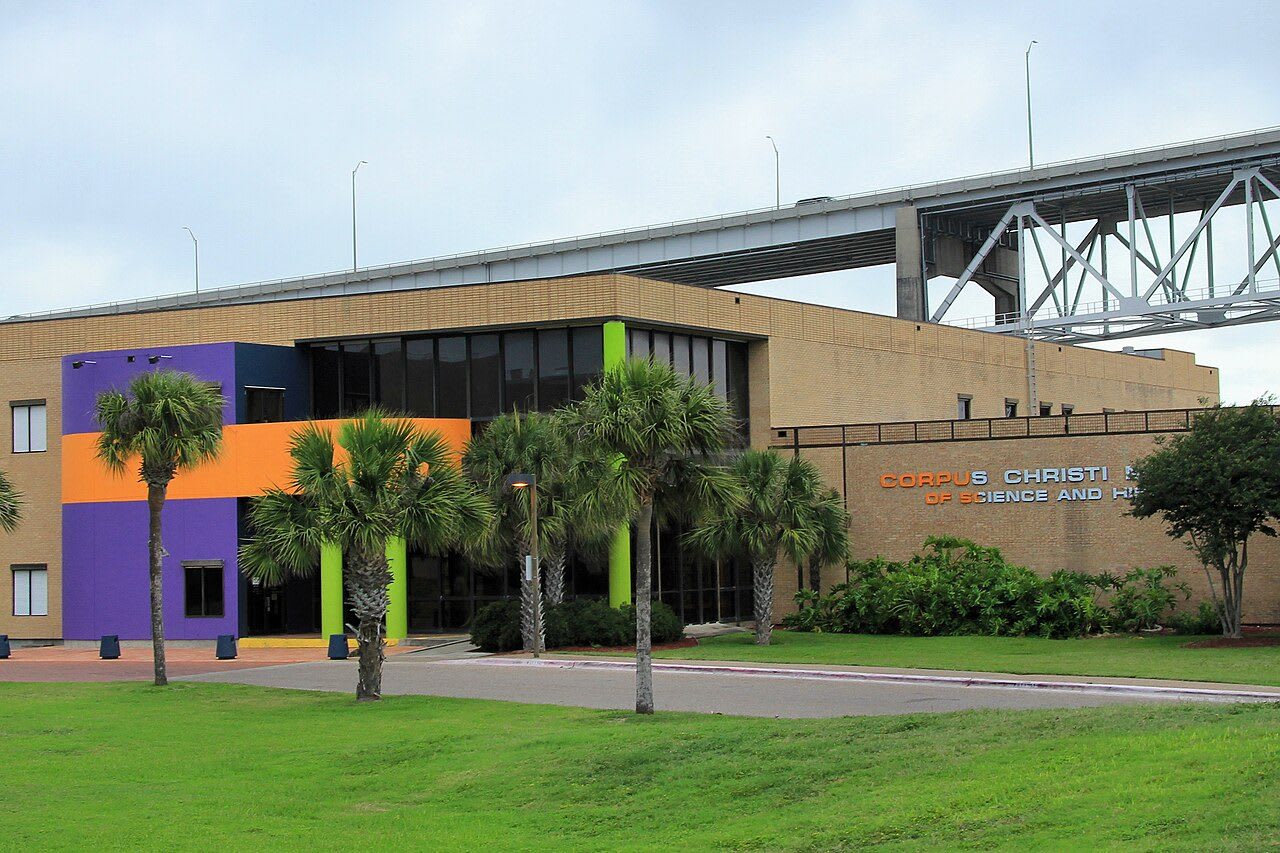
The artifacts are on view at the Corpus Christi Museum of Science and History. The wrecks lie under the protection of Padre Island National Seashore and the state, and the island's longer story is told at the marker for Padre Island and Padre Nicolás Ballí.