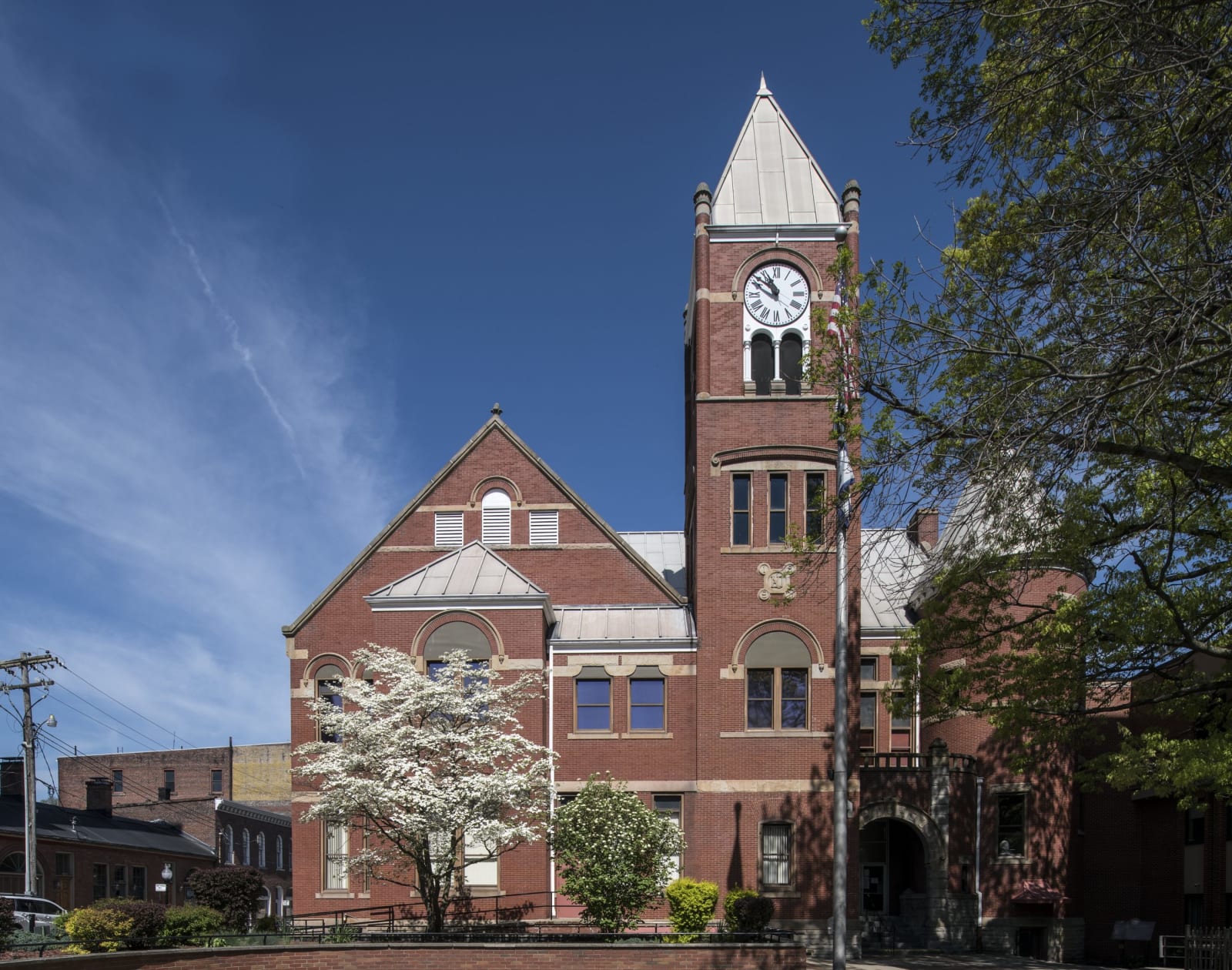
Waitman T. Willey was born on Buffalo Creek in Monongalia County in 1811 and settled in Morgantown in 1834. A Methodist and Whig lawyer, he lost races for Congress and lieutenant governor. He had also been an enslaver, and when war came he favored emancipation only if owners were paid for the people they held.
In February 1861 Monongalia voters sent him to the Richmond convention on secession. When it voted to leave the Union on April 17, he and most western delegates went home. By July the Restored Government of Virginia at Wheeling had made him a United States senator.
The clause Congress would not take
The constitution drafted at Wheeling over the winter of 1861 and 1862 sidestepped slavery. Gordon Battelle, a Methodist minister from Ohio County, proposed banning the importation of enslaved people and freeing the rest gradually. The convention settled instead on a compromise under which no African Americans, enslaved or free, could enter the new state.
The Senate wanted more. Charles Sumner pressed to free every enslaved person in the region on July 4, 1863, and lost. On July 1, 1862, Willey offered the compromise that carries his name, and the Senate passed the statehood bill on July 14. The House followed in December, and Abraham Lincoln signed it on December 31.
The ages
The amendment ran by birthdays. Children born to enslaved mothers after July 4, 1863, would be free. Enslaved children under ten on that date would go free at twenty-one, and those from ten to twenty-one would go free at twenty-five. No enslaved person could be brought into the state to live. To anyone twenty-one or older on July 4, 1863, it promised nothing, and historians describe it as gradual emancipation for most, though not all, of the people held in the new state.
The convention reconvened in Wheeling on February 12, 1863. Willey spoke for admission, arguing that slave labor did not pay on the region's farms and that fears of free Black migration were groundless because Virginia law already barred it. A resolution declaring owners entitled to payment was tabled. On February 17 the delegates adopted the amendment, and on March 26 voters ratified the constitution 28,321 to 572. West Virginia became a state on June 20, 1863.
February 1865
The ages never had to run out. On February 1, 1865, the House of Delegates took up a bill to end slavery outright. Opponents argued that the legislature lacked the power or that owners had to be paid. One supporter said any doubt should be resolved in favor of those seeking freedom, and another noted that most of the people still enslaved were old and infirm, the adults the 1863 terms had passed over. The bill carried 29 to 17, and the act of February 3 declared every person held as a slave in the state free.
Willey stayed in the Senate until 1871 and died at his Morgantown home on May 2, 1900. His house of 1839 and 1840 still stands on Wagner Road, with a state marker telling of the amendment and the 1865 act. Southeast in Grafton, Grafton National Cemetery holds soldiers of the war that made the state.