In 1919 Alex Tye was 34 and worked as a porter in the master mechanic's office of the Louisville and Nashville Railroad at Corbin. His stepson, Cearney Parks, was a machinist helper in the shops, where Albert Stone painted the head ends of steam engines. Pete and Will Frakes handled baggage at the passenger depot. Roscoe Lyttle had shipped to France in 1918 with the 317th Supply Train; home in April 1919, he and his wife moved to Corbin, where he worked as a porter at the Wilbur Hotel. The Lyttle, Tye and Turner families lived near one another on the Whitley County side of town.
The yard expansion
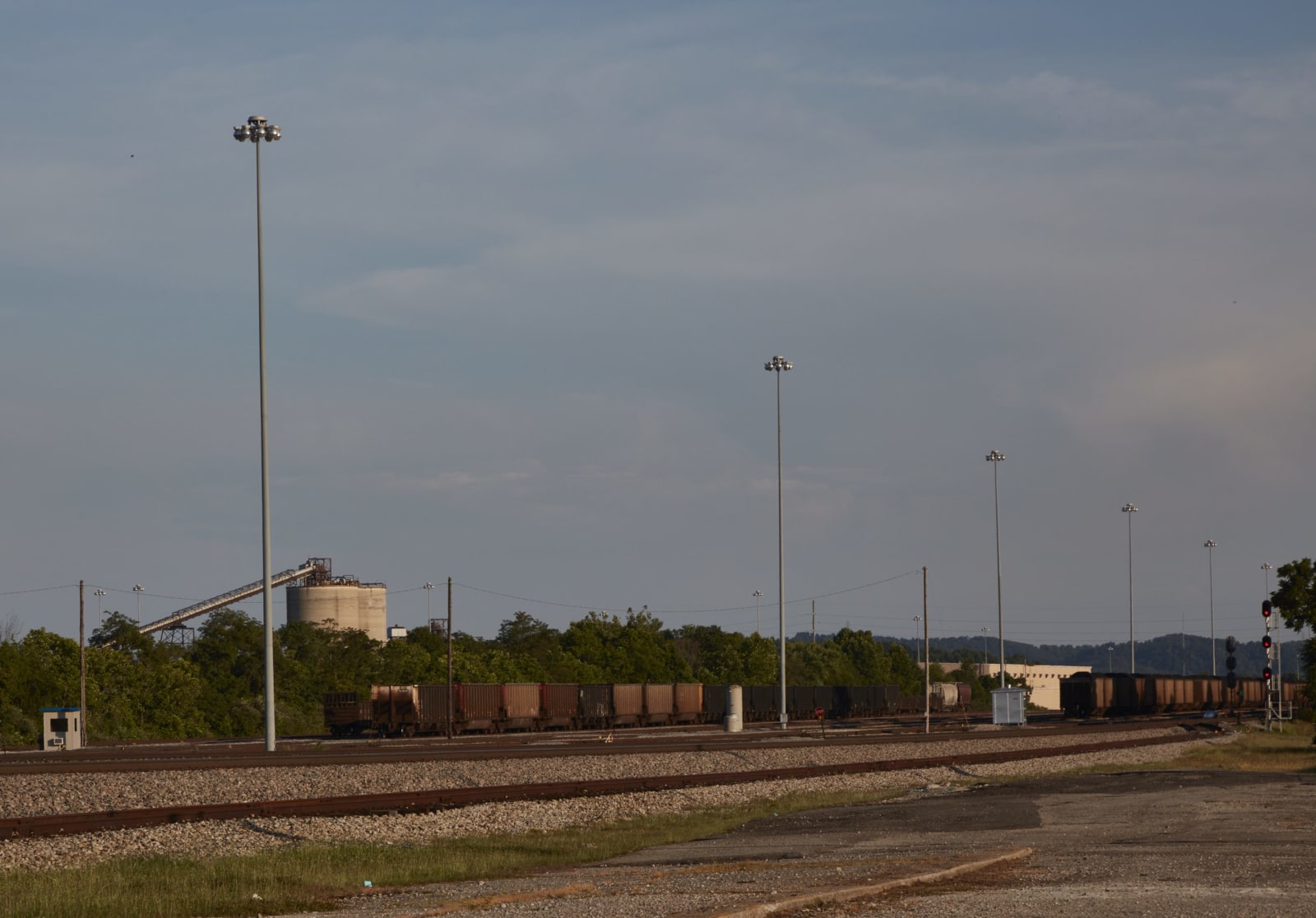
Corbin was an L&N junction town. Under federal control during the war, the Railroad Administration raised wages for Black railroaders, and historian Matthew C. O'Neal argues that white trainmen at the bottom of the railroad hierarchy saw that rise as a threat. In February 1919 the L&N committed more than $1 million to expand the Corbin yards. It brought in about 200 Black track laborers from farther south, who lived in rail cars, and a Black paving crew from Louisville camped in tents. The town's Black population more than tripled.
On the night of October 29, a white switchman, Ambrose F. Thompson, was stabbed and robbed of four dollars on his way home from a carnival near the yards. Newspapers blamed two Black men from the work crew. Later accounts, O'Neal writes, found that white men, possibly in blackface, had attacked him. The next morning a brakeman, Steve Rogers, led railroaders to the construction foreman, William Fugate, demanding names. The Frakes brothers heard that every Black person would be driven out that night, and a sign in the roundhouse warned of it.
October 30
At about nine, gunfire broke out in the yards. The foremen marched their crews to the depot and bought tickets in every direction. The mob moved through hotels, houses and businesses where Black people lived or worked, took what was valuable, destroyed the rest and herded the people to the depot. When the night baggage agent protested that he would be short of help, one man answered that there were "plenty of white men to do the work." Some 500 shots were fired, with no casualties reported. The last train out, No. 31, left for Knoxville early in the morning. Historian Elliot Jaspin counts three Black residents allowed to stay.
The black spot
John Turner and Alex Tye gave affidavits to the state's investigation, which found that a few white residents had stood up to the mob and sheltered neighbors. Rogers was convicted of leading the mob and served two years in the penitentiary. A Corbin newspaper wrote that the town's name now carried "a black spot that can never be removed." Corbin became known as a sundown town; Dorothy Wilkerson of Lynch recalled that Black travelers did not even get off the train there. In 2007, NPR counted about ten Black residents among Corbin's roughly 8,000. Robby Henson's 1991 documentary Trouble Behind took the history to Sundance.
The rail yards still run through Corbin. On US 25W, the Harland Sanders Cafe and Museum tells the town's later highway years.