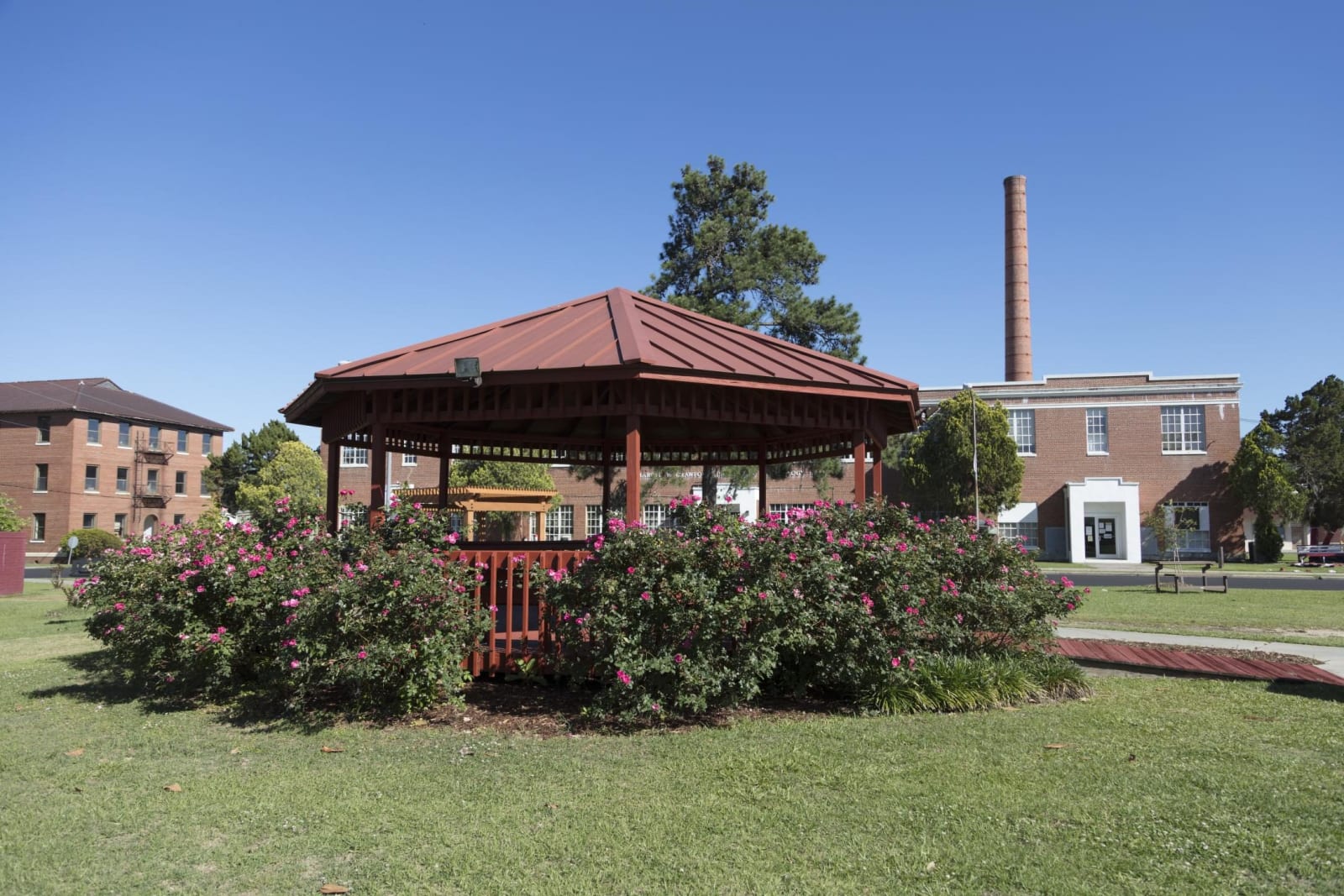
When the Colored Normal, Industrial, Agricultural and Mechanical College of South Carolina opened its doors at Orangeburg on September 27, 1896, the campus had no paved roads, no running water and no electricity, and Morrill Hall was still going up. Its president, elected that June, was Thomas Ezekiel Miller, a 47-year-old lawyer who had just left the state House to take the job and who had, months before, sat in the convention that wrote most Black South Carolinians out of the electorate.
From Ferrebeeville to Congress
Miller was born in 1849 at Ferrebeeville in the Beaufort District and raised by Richard Miller and Mary Ferrebee Miller, formerly enslaved and free by 1850, who moved the family to Charleston. Some historians hold that he was born to a fair-skinned mother and a white father, and his light complexion followed him through politics. He graduated from Lincoln University in Pennsylvania in 1872, studied law at South Carolina College while Reconstruction opened it to Black students, and was admitted to the bar in 1875. He served in the state House from 1874 to 1880 and the Senate from 1880 to 1882. In 1888 he ran for Congress and lost the official count to William Elliott; the House ruled for him, and he took his seat on September 24, 1890, serving until the following March. Elliott beat him again that fall, with the state supreme court throwing out Miller ballots as white paper of "a distinctly yellow tinge."
The 1895 convention
Benjamin Tillman's faction called a convention in 1895 to remake the constitution, and Miller, back in the House for Beaufort, was one of six Black delegates. The new constitution added a poll tax, literacy and property tests and longer residency rules, and it kept most Black voters from the polls for more than half a century. Miller fought it on the floor, and he and the other five Black delegates refused to sign it. Historian Michael Perman wrote that no public figure in any state was so vividly tied to the fight against disfranchisement.
At the same convention Miller won Tillman's backing for a separate land-grant college for Black students. Since 1872 the state's land-grant money for Black education had gone to an agricultural and mechanical institute attached to Claflin University, a private Methodist school in Orangeburg. On March 3, 1896, the General Assembly split the institute from Claflin and created the new college, with Miller steering the bill.
Fifteen years at Orangeburg
Most of Miller's students were in primary and secondary grades, and few earned degrees. They studied poultry science, carpentry, harness making, cheese making and sewing alongside literature, history and Latin. Every student worked on the farm, in the laundry or in the dining hall, and students helped build many of the early buildings under faculty supervision. Among the first graduates was Ernest Everett Just, later a biologist of national standing.
In 1910 Miller campaigned publicly against Coleman Blease for governor. Blease won, demanded his resignation, and Miller left the college in 1911. He worked in Charleston, lived in Philadelphia from 1923 to 1934 and died in Charleston in 1938. The college he opened is South Carolina State University.
The Orangeburg Massacre Memorial stands on the same campus.