On a Friday morning in September 1974, a thirty-four-year-old mother of six named Amy Trice sent the government of the United States a declaration of war. She was the chairwoman of the Kootenai Tribe of Idaho, and the tribe had sixty-seven members.
A people without a treaty
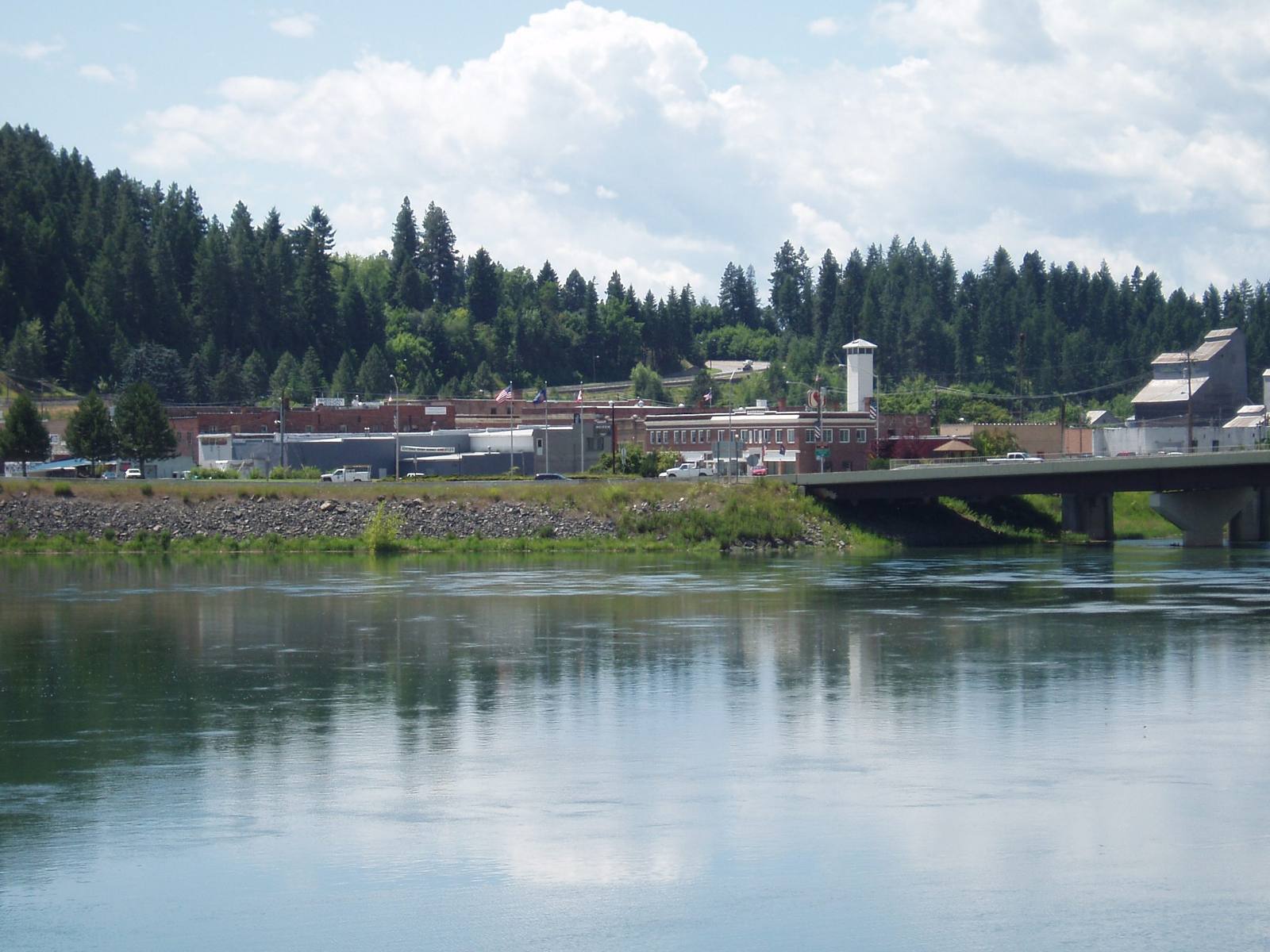
The Ktunaxa, the people the English called Kootenai, lived along the Kootenai River and its lakes on both sides of what became the Canadian line, and the band at Bonners Ferry had never signed a treaty with the United States. That left them in a strange position. With no treaty there had been no cession, so the tribe could argue with some justice that the northern end of Idaho, more than a million acres of it, had never legally left their hands. It also meant they had no reservation, and the government treated them as if they barely existed.
By the early 1970s the band lived near Bonners Ferry, on and around the old St. Michael's Mission, in the kind of poverty that killed people. Elders died of exposure in the winters. The road into their settlement turned to mud every spring and trapped anyone who tried it. The tribe had written the Bureau of Indian Affairs for years asking for housing, medical care, schooling and a decent road, and the Bureau's answer, in effect, was that the tribe was impossible to deal with.
The declaration
Trice decided that if the government would not listen to a letter, it might listen to a war. On September 20, 1974, she and Doug Wheaton, the tribe's community representative, formally notified Washington that a state of war existed between the Kootenai Tribe and the United States.
The war was fought on U.S. 95, the only highway through town. Tribal members set up on the road at either end of Bonners Ferry with drums and signs and asked drivers for a toll of ten cents, the price, they said, of crossing Kootenai land. Newspapers reported a blockade. The Museum of North Idaho's account says there was none: the dimes were voluntary, collected from people who stopped to listen to the drumming. Boundary County's sheriff had three deputies and a dispatcher, and the dispatcher was a tribal member. The state sent about sixty Idaho State Police to back him up anyway. Trice said later that she had been ready to call the American Indian Movement if it came to that, and that she prayed every morning for it not to.
It never came to that. There was no violence. The country was in the long hangover of Watergate and Wounded Knee, and a tiny tribe declaring a peaceful war on the United States was a story reporters could not resist.
The terms
Within weeks Washington gave ground. Trice led a delegation east, and the government deeded the tribe 12.5 acres of federal land at the mission for a reservation, with promises of housing, water and sewer, a proper road and a community center. The war was over.
What came after is the real result. The tribe opened the Kootenai River Inn in Bonners Ferry in 1986, and with a casino, a spa and other businesses it became one of the largest employers in Boundary County. It runs a hatchery for the Kootenai River's endangered white sturgeon and works on restoring the river. It now holds more than 2,500 acres, much of it wildlife habitat, and its membership in the county has grown to around 170.
Trice died in 2011. The tribe still marks the anniversary. Drive U.S. 95 into Bonners Ferry from either end and you pass the spots where the drums were, on the approaches to a town where the tribe that asked for dimes is now one of the biggest employers.