On May 8, 1916, Lucy Fryer, a 53-year-old farmer's wife, was killed at her home in Robinson, south of Waco. Jesse Washington, a 17-year-old Black farmhand who had worked for the family for several months, was arrested that night. He was illiterate and may have had an intellectual disability. He was questioned for days without a lawyer or his parents, moved to the Dallas County jail to keep a mob from him, and went from denying the killing to confessing it.
An hour in court
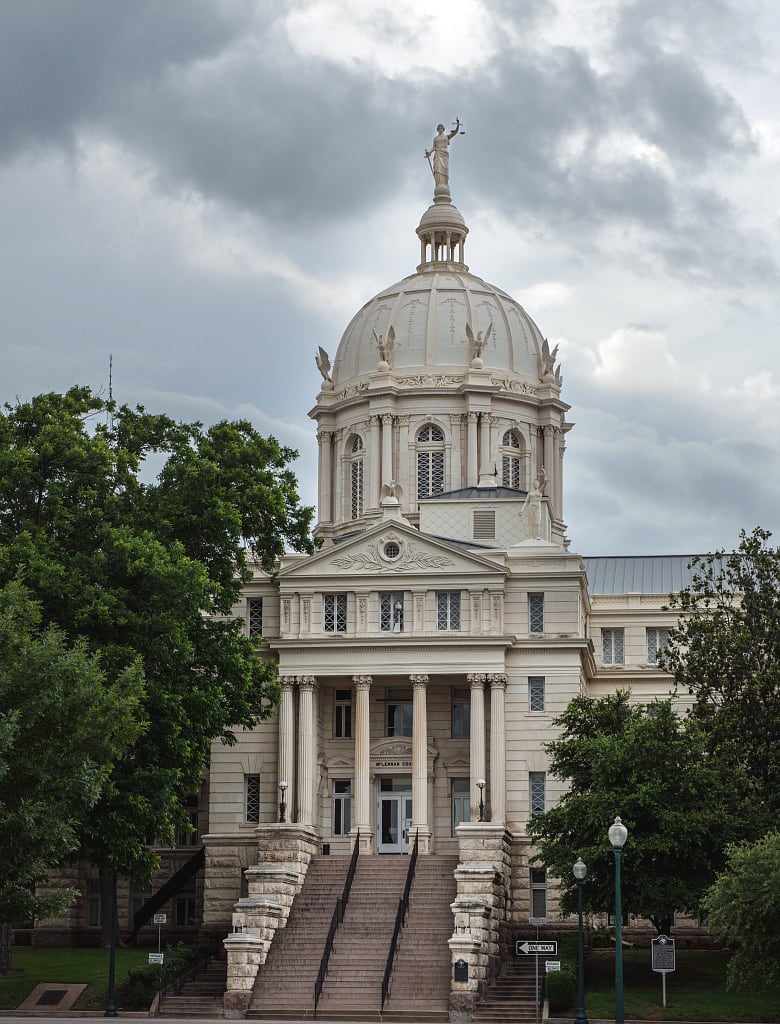
His trial opened on May 15 in the McLennan County Courthouse before Judge Richard I. Munroe. His court-appointed lawyers were inexperienced and prepared no defense. Twelve white men deliberated for four minutes, found him guilty and set the death penalty. Before officers could remove him, spectators seized him and took him to City Hall, where he was killed in front of a crowd that estimates put between 10,000 and 20,000. Mayor John Dollins and Police Chief Guy McNamara attended, and Sheriff Samuel Fleming reportedly told his deputies not to interfere. No one was prosecuted, although lynching was a crime in Texas. A Baylor faculty committee denounced the mob. A. T. Smith, the Black editor of the Paul Quinn Weekly, was convicted of criminal libel for printing that Fryer's husband was the killer.
The investigator
The NAACP's secretary telegraphed Elisabeth Freeman, a suffrage organizer who was at a conference in Dallas, and asked her to go to Waco. She arrived posing as a Northern newspaperwoman who meant to defend the city. She also talked with Black residents. Her hotel room was searched, she nearly was arrested on a night walk, and she left before her cover failed. Freeman found that most white residents approved of what had been done, and the doctor who examined Fryer had concluded she was killed before any assault.
W. E. B. Du Bois printed her findings as an eight-page supplement to the July 1916 Crisis, titled "The Waco Horror," and sent it to members of Congress, the cabinet and newspaper editors. It did not name her. The NAACP used the case in its campaign for a federal antilynching bill, a push World War I delayed until 1919.
Saying it aloud
Waco was largely silent for decades. Patricia Bernstein's 2005 book, The First Waco Horror, prompted calls for acknowledgment. On May 23, 2006, the county commissioners passed a resolution condemning mob violence, and the city council followed about a month later. Neither named Washington, and the word "apology" had been dropped after debate. On May 15, 2016, Mayor Malcolm Duncan Jr. apologized on the city's behalf with Washington's relatives present. The Community Race Relations Coalition then spent seven years on a state marker, dedicated in February 2023. Relatives of Washington and of Sank Majors, lynched in Waco in 1905, unveiled it. Its text names Lucy Fryer, as her descendants had asked.
The marker stands at the front door of City Hall on Austin Avenue, and it records 43 lynchings in McLennan County from 1860 to 1922. Read it there: The Waco Horror. Then find the courthouse where the trial was held and read The Courthouses of McLennan County.