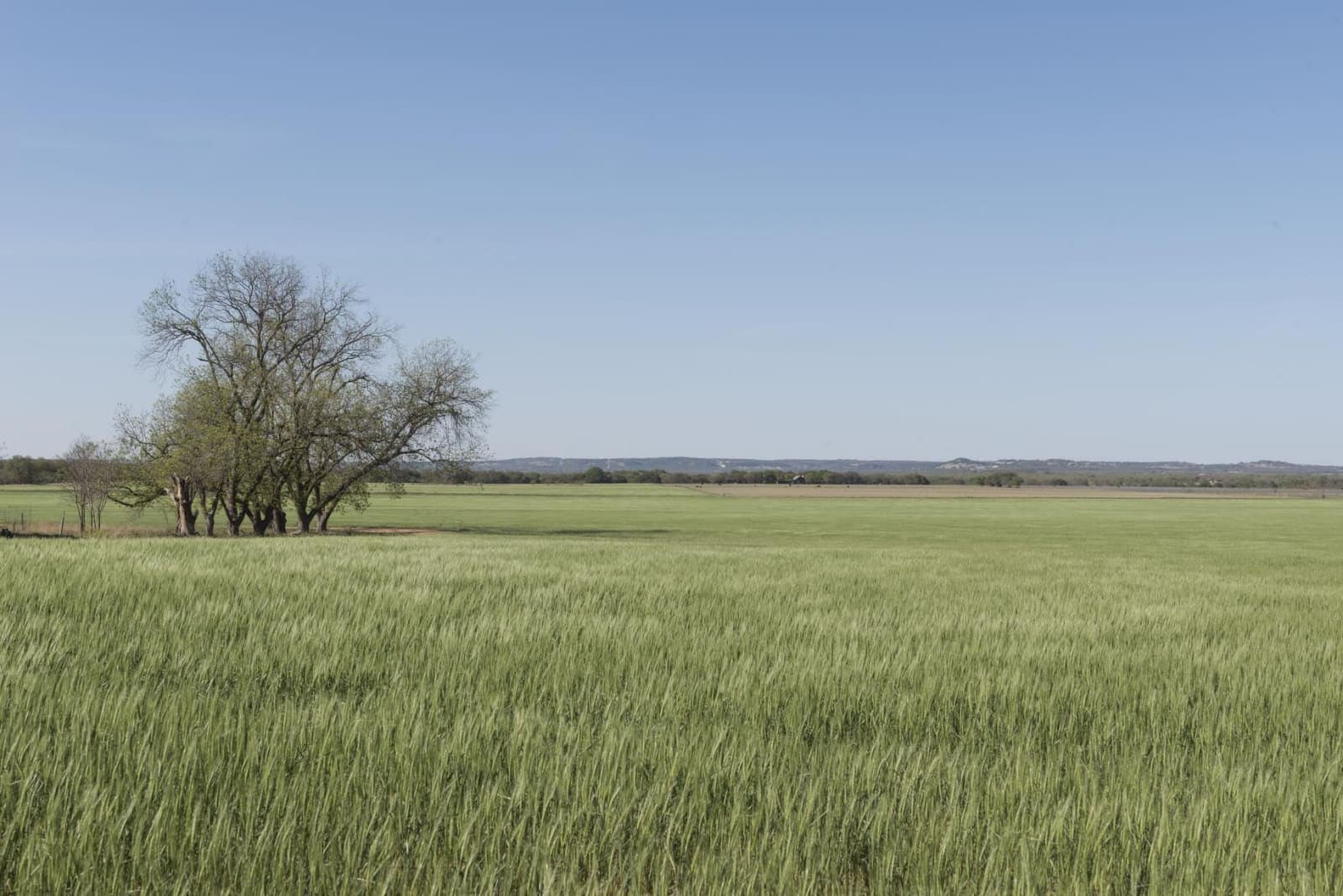
The Fisher-Miller grant gave the Adelsverein, the society bringing German emigrants to Texas, more than three million acres between the Llano and Colorado rivers, on condition that the land be surveyed by the fall of 1847. It was also the hunting ground of the Penateka, the southern band of the Nʉmʉnʉʉ, the Comanche people. Surveyors would not go in. John O. Meusebach, the society's commissioner, decided to go and ask.
The road to the council
On January 22, 1847, about forty riders left Fredericksburg, among them Germans, Mexicans and American surveyors. Governor J. Pinckney Henderson sent a messenger to warn Meusebach off, but contact had begun. On February 5, at the mouth of Beaver Creek, eight Penateka under Ketumsee approached under a white flag and promised to call the western chiefs to a council. Overnight Ketumsee's band took two of the Germans' best horses; Meusebach asked, and they were returned. Indian agent Robert Neighbors and the Delaware interpreter Jim Shaw arrived on February 9. On March 1 Meusebach met fifteen to twenty chiefs in Mopechucope's camp on the lower San Saba.
The geologist Ferdinand von Roemer, who was present, described the head chiefs. Mopechucope, called Old Owl, was a small old man in a dirty cotton jacket. Santa Anna was powerfully built with a lively, benevolent face; he had visited Washington the December before and come home convinced that armed resistance was suicidal. Buffalo Hump, the war chief of the 1840 Linnville raid, wore only a buffalo hide and copper arm rings and refused European dress.
Meusebach offered three things: safe travel between the Llano and San Saba rivers for Germans, and for Comanches in German settlements; help against horse thieves on both sides; and, for leave to survey between the San Saba and the Concho, $1,000 in presents and $2,000 in provisions. On March 2 the chiefs answered favorably, and Mopechucope promised to leave the warpath for the white path of peace. On May 9, in Fredericksburg, Santa Anna and five other chiefs signed. Mopechucope did not.
What it left open
Historians disagree about its weight. Karl Hoerig argued in 1994 that it mattered little, since only six Comanche leaders signed and most Comanches were not bound. Matthew Babcock answers that Santa Anna's signature carried real weight. Santa Anna led raids into Mexico in 1848 and 1849, and of the society's five small settlements on the grant only Castell survived. Cholera killed more than 300 Penateka in late 1849, Santa Anna and Mopechucope among them. In 1859 the Penateka on the Texas reservation were moved to Indian Territory.
How Fredericksburg remembers it
Comanche delegations from Lawton, Oklahoma, have marched in Fredericksburg's anniversary parades since at least 1946, and powwows honoring the treaty began in 1997. A 1987 bronze, Lasting Friendship, shows Santa Anna passing the pipe to Meusebach. Its plaque calls the treaty the only one never broken, which Babcock calls an overstatement. The 2022 program for the 175th anniversary included Penateka dancers on the Marktplatz, a reading of the treaty and a wreath at the Meusebach bust.
That bust stands before the replica Vereins Kirche, found at Vereins Kirche and Main Street. Two miles out, Fort Martin Scott is where the army later kept the peace.