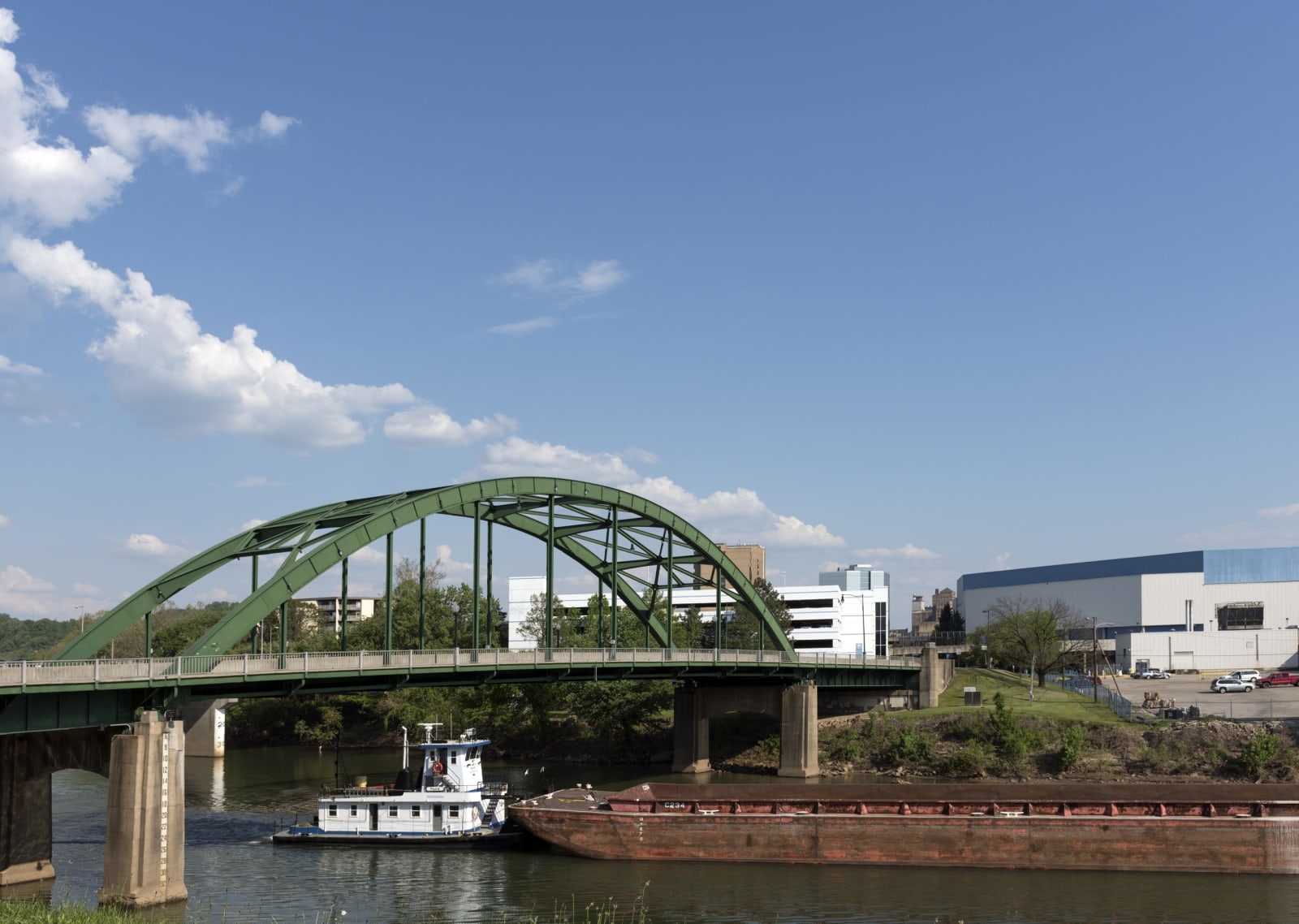
On the morning of January 9, 2014, people in Charleston began calling 911 and the state Department of Environmental Protection about a smell in the air and in their water. Many described it as licorice. Inspectors traced it to Freedom Industries, a chemical storage terminal on the Elk River about a mile above the intake of West Virginia American Water's treatment plant.
A tank there had a hole about an inch wide in its floor. It held crude MCHM, 4-methylcyclohexane methanol, a chemical used to wash coal at preparation plants. The company first said 5,000 gallons had leaked, then 7,500, then about 10,000. Twelve days later it disclosed that a second mixture, PPH, had been in the tank too.
Do not use
The water company learned of the spill around noon. Its carbon filters could not remove the chemical, and at 5:45 p.m. it told customers to stop using their tap water. Governor Earl Ray Tomblin declared a state of emergency in nine counties. Up to 300,000 people could not drink, cook with or bathe in what came from the tap. FEMA trucks and tractor-trailers brought hundreds of thousands of gallons of water to distribution centers. By the next day nearly 700 people had called poison control; by January 14, 14 had been admitted to hospitals, none in serious condition.
Federal health officials set 1 part per million as an acceptable level, though little toxicology research on the chemical existed. On January 13 the water company began lifting the order zone by zone, and the ban was over within days. Traces of MCHM stayed in the system into March, and some residents never trusted the tap again.
A tank no one inspected
The U.S. Chemical Safety Board found that water seeping through holes in the tank roof had corroded the floor, and it found no record that the tanks had ever been inspected. State regulators had not been on the site since 1991, when Pennzoil owned it. Freedom filed for bankruptcy eight days after the leak. Federal prosecutors charged the company and six individuals; all six pleaded guilty to misdemeanors, two of them, including the president Gary Southern, were sentenced to 30 days in jail, and the company was fined $900,000. The 2014 legislature passed a law on above-ground storage tanks, and in 2018 a court approved a $151 million settlement of claims against West Virginia American Water and Eastman Chemical, which made the MCHM.
Chemical Valley
The spill landed in a valley built on chemistry. Salt brought the first industry to the Kanawha in the late 1700s, coal followed, and World War I's demand for explosives brought the plants that gave the valley the country's densest cluster of chemical manufacturing for most of a century. Monsanto made Agent Orange at Nitro until 1971. Union Carbide's plant at Institute was the only American site that made and stored methyl isocyanate, the chemical behind the 1984 Bhopal disaster, and an explosion there in 2008 killed two workers. That week Maya Nye, who led the group People Concerned About Chemical Safety, said residents live with it "until the next thing happens."
Upriver the Elk winds through Clay County, followed by the Elk River Trail.