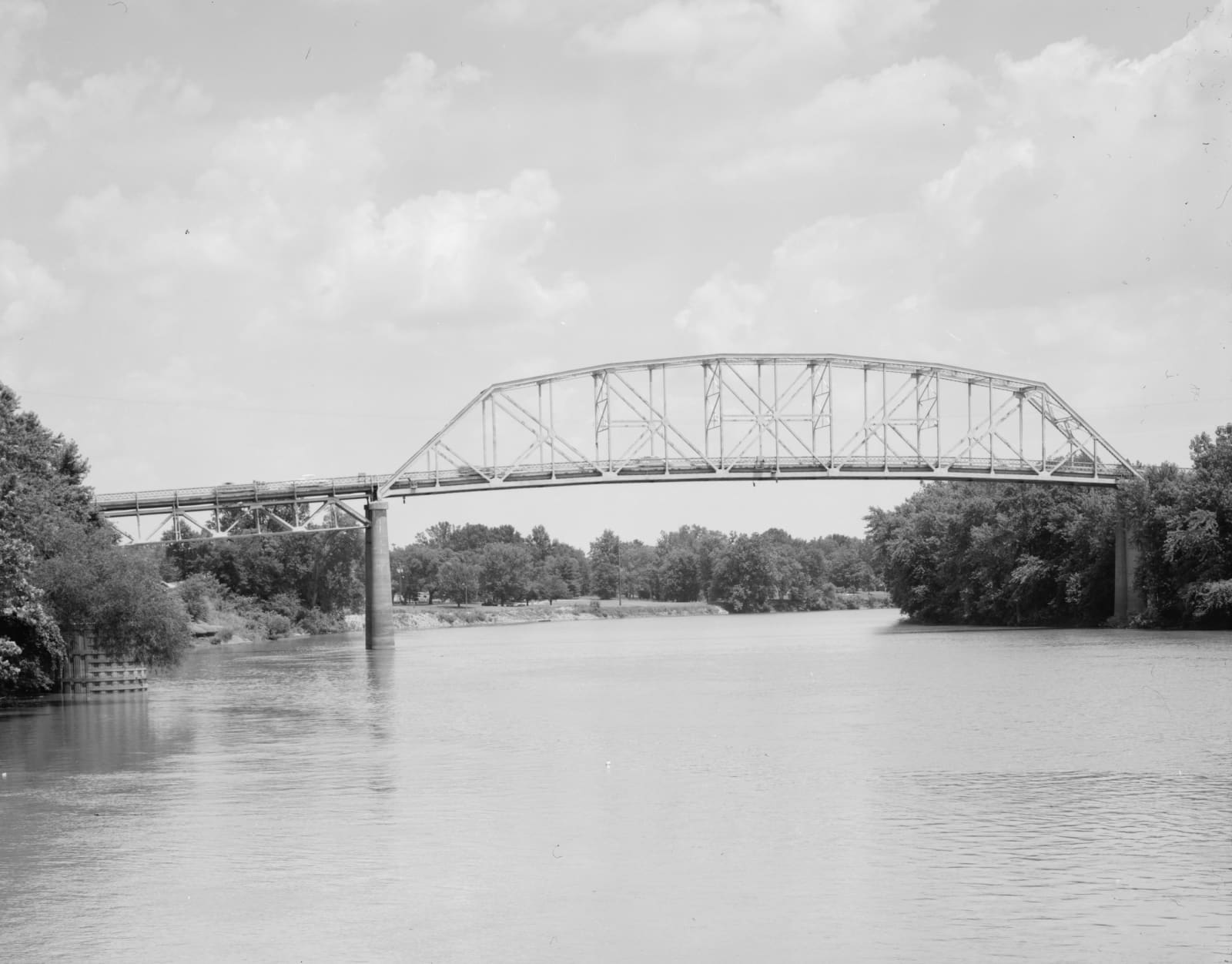
By December 1861 the Green River ran between two armies inside a state that had tried to stay out of the war. Confederates held Columbus and Bowling Green, which they had made their Kentucky capital, and had seized Lock 3 at Rochester. Union troops, about 10,000 of them, camped at Calhoun in McLean County to guard Lock and Dam No. 2 at Rumsey. Their general, Thomas L. Crittenden, was a son of Senator John J. Crittenden; Thomas's brother George had become a Confederate general.
Murray's scouts
On December 28, Major Eli Murray, eighteen years old, rode south from Calhoun with a scouting party of the Third Kentucky Cavalry, a Union regiment. The National Register nomination counts 168 men; the Kentucky Historical Society says about 200. Coming the other way from Greenville, in Muhlenberg County, were nearly 300 Confederate horsemen under Lieutenant Colonel Nathan Bedford Forrest, among them a company of Kentuckians under Captain Ned Merriwether.
Near the village of Sacramento, Mollie Morehead, a teenager from a Southern-sympathizing family, rode out to tell Forrest the Union scouts were close. Murray's men were watering their horses at Garst's Pond when Forrest's advance appeared on the ridge above them.
The running fight
The first clash came at the pond, the main fight on the field north of it. Murray's men fell back through Sacramento and up the road toward Calhoun, with the fighting turning to sabers near Station Church, about four miles north of the village. Captain Albert G. Bacon refused to surrender and was killed. Captain Arthur Davis was captured when his horse fell, after he had killed Private William H. Terry. A relief column of 500 from Calhoun came too late.
The counts disagree. The nomination gives eleven Union dead and forty missing, and two Confederate dead, Merriwether and Terry; Forrest's own report put the Union losses far higher. Forrest himself called the chase a saber slaughter.
A divided county
Some Sacramento residents fired on the retreating Union troops. They were arrested and made to swear allegiance to the United States at Calhoun, which the nomination judges mild beside punishments elsewhere in Kentucky. In February 1862 Crittenden's division left Calhoun for Bowling Green as Grant's advance broke the Confederate line, and the war moved south.
Sacramento was Forrest's first battle. Before the war he had made his fortune trading enslaved people in Memphis. In April 1864 his troops killed Black Union soldiers trying to surrender at Fort Pillow, which historians call a massacre, and after the war he was the first grand wizard of the Ku Klux Klan. Murray rose to brevet brigadier general and from 1880 to 1886 was governor of Utah Territory. Mollie Morehead died in 1870 and is buried at the Sacramento Cumberland Presbyterian Church cemetery.
The field north of the old pond, now farmland at the junction of KY 81 and KY 85, joined the National Register in 1998, and local reenactors restage the fight. A ten-stop county driving tour runs from the Greenville courthouse to Crittenden's headquarters in Calhoun. In Muhlenberg County, where Forrest mustered, John Prine Memorial Park sits on the Green River.