Gregory Hayes Swanson was born in Danville in 1924. He finished Howard University in 1945 and its law school in 1948, clerked for the Richmond firm of Hill, Martin and Robinson, and opened a practice in Martinsville. Late in 1949 he applied to the University of Virginia for a master of laws, writing that his main reason was a wish to teach.
The faculty and the board
The law faculty voted to admit him in January 1950; the record dates the vote to January 12 or 19, and one account notes a single dissent where others call it unanimous. Dean F. D. G. Ribble sent the matter to President Colgate Darden, who asked Ribble and Attorney General J. Lindsay Almond for opinions. Ribble wrote that he had no doubt a court would hold the segregation statutes invalid, and Almond advised that a refusal could not be successfully defended. On July 14, 1950, the Board of Visitors rejected the application anyway, citing the state law that barred white and Black students from being taught in the same schools.
Half an hour in court
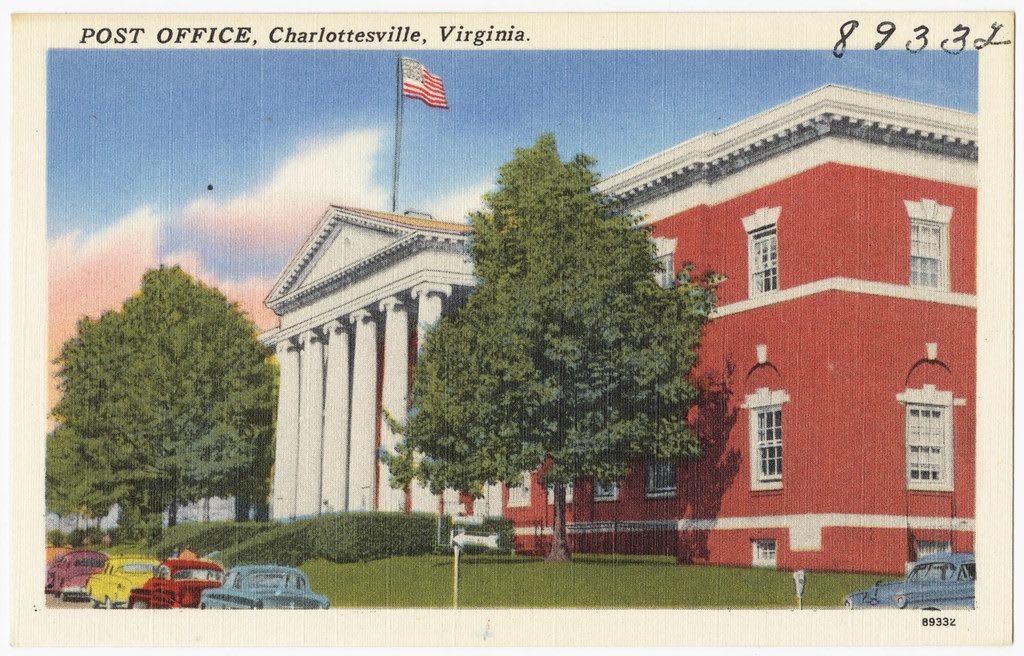
Within days Hill, Martin and Robinson and the Virginia NAACP had assembled a team that included Thurgood Marshall. Swanson v. Rector and Visitors of the University of Virginia went before three federal judges in Charlottesville: Chief Judge John J. Parker of the Fourth Circuit, Circuit Judge Morris A. Soper and District Judge John Paul. Spottswood Robinson argued it on September 5, 1950, in the federal courtroom on Market Street. After about thirty minutes of trial and deliberation the judges ruled for Swanson. The university, they found, was the only state school offering his degree, and it could not refuse similarly situated Black applicants. His nephew later recalled his words that day: "Justice starts right here."
A year on Grounds
Swanson registered on September 15, the first Black student at the university. He studied tax law and lodged at the Carver Inn in Vinegar Hill, more than a mile from Grounds, and white residents and students stared as he walked. He went to football games, held a season ticket to the Tuesday Evening Concert series and helped organize the YMCA's Committee for Racial Understanding. He was barred from university dances held at whites-only clubs, and Darden declined to change that. By then the School of Education had quietly admitted Walter N. Ridley, who stayed to earn a doctorate and became the university's first Black graduate.
In 1951, his year of residence done, he went back to Martinsville. He kept at his thesis but missed the two-year deadline in 1952 and never received the degree. He opened an office in Alexandria in 1957, joined the Internal Revenue Service in 1961 under Commissioner Mortimer Caplin, a former teacher of his, and retired in 1984. He died in 1992.
The federal building, finished in 1906 as a courthouse and post office, now holds the Central Library of the Jefferson-Madison Regional Library. On July 12, 2016, the Charlottesville-Albemarle Bar Association hung a bronze plaque to Swanson in its McIntire Room, on the wall where the judge's bench once stood, and the Law School has since hung his portrait in its library.
The Jefferson School African American Heritage Center tells the history of Vinegar Hill, where he lodged.