At about nine o'clock on Palm Sunday night, April 5, 1936, a tornado a thousand yards wide came into northern Tupelo and in some fifteen minutes flattened dozens of blocks. It killed entire families, up to thirteen in a single house. The official toll was 216 dead and at least 700 injured. The state geologist, William Morse, wrote in his 1936 survey that the buried dead numbered 233. Higher figures, near 250 or even 300, have been tied to deaths in Black neighborhoods that went unreported. The storm missed the business district by about a quarter mile. It tore down the water tower and destroyed the city's reservoir, fires broke out, and overnight rain left knee-deep water in some streets. It also wrecked the high school gymnasium, where hundreds had gathered for a worship service hours earlier, and a grammar school on Church Street was damaged even worse.
Gum Pond
Gum Pond, a low district on the north side where many poor and working-class Black families lived, was among the hardest hit. Houses along the water went into the pond with the people inside. Dozens of bodies had to be pulled from it, the majority of Tupelo's dead were found there, and reportedly some were never recovered. How many people died at Gum Pond has not been established. Willis Heights, a wealthy neighborhood, also lost dozens of large homes.
The names that ran
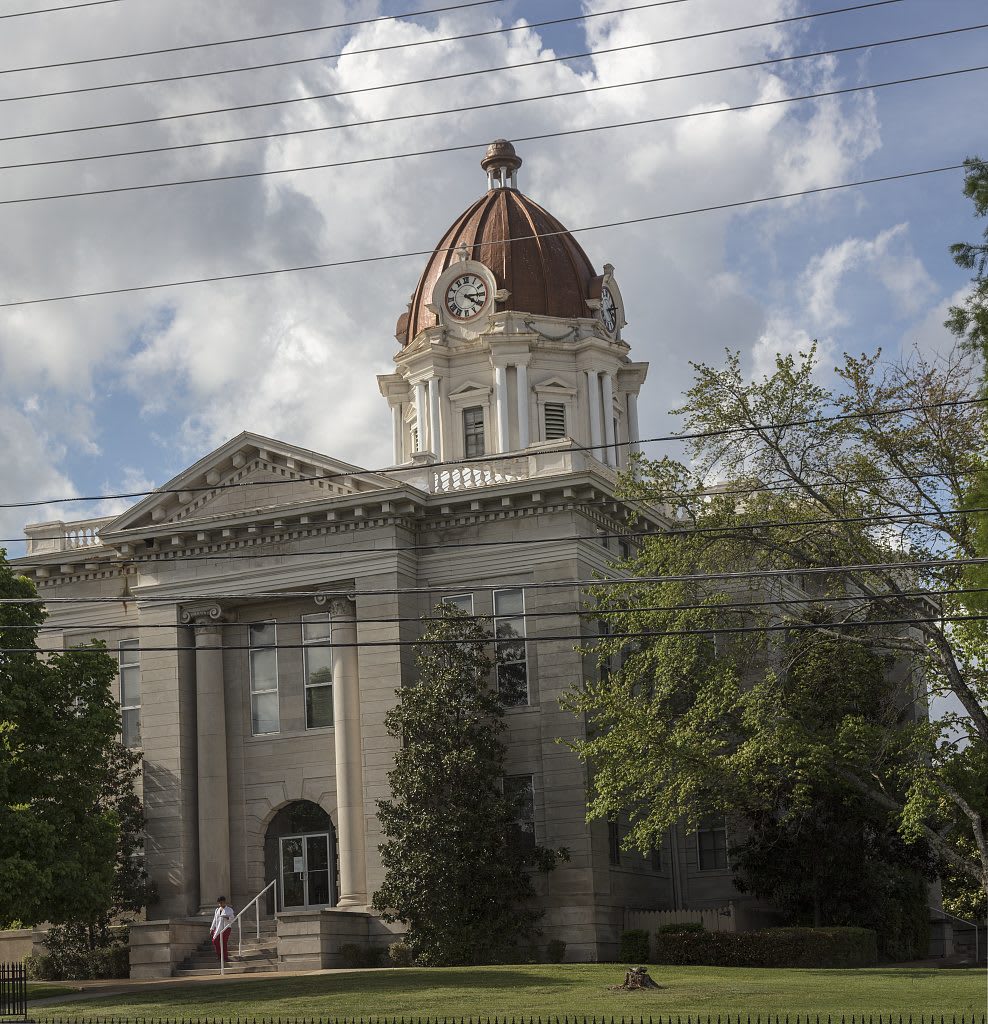
The tornado historian Thomas Grazulis found that Tupelo's newspapers printed the names of white injured only, so what became of the Black injured cannot be traced. He noted that this practice was common in tornado reporting into the late 1940s and showed up occasionally until the mid-1950s. The Tupelo hospital was heavily damaged, so the hurt were taken to makeshift hospitals in the Lee County courthouse, the Tupelo Military Institute, a movie theater and several churches, and when trains ran again the wounded were carried to nearby towns and cities. A special train from Memphis brought 17 doctors, 25 nurses and cars of supplies, and by the next afternoon 93 gravely injured people were in Memphis hospitals. The Red Cross, the Corps of Engineers, the Civilian Conservation Corps and the National Guard arrived the day after the storm. Morse noted that hundreds of the injured were still in hospitals when he wrote. Grazulis observed that when the toll of 216 was set, more than 100 people were still in hospitals in three states.
What was rebuilt
About 150 boxcars served as temporary housing, and workers from other communities came to help with the cleanup. Roads were cleared for cars about a week later, and property damage exceeded $3 million. Morse's report was a damage survey, written for what he called "building of better and safer cities," and state geologists found weak mortar that led to calls for stricter building codes. Tupelo rebuilt as the "First TVA City" and drew national attention. The storm also flattened the Battle of Tupelo monument. The site of Gum Pond is now Gumtree Park.
The Tupelo National Battlefield marks the July 1864 battle whose monument the tornado leveled.