Alvin York had only a few months of formal schooling. When the Argonne made him the war's best-known hero, he spent years on the road raising money for something else: a school in Fentress County, which he had pressed for since 1919. He said he was called "to lead my people toward a sensible modern education." York formed the York Foundation in 1920 to raise the money, and most early backing came from New England. The Alvin C. York Institute at Jamestown is the result, and it is still open.
The groundbreaking
York bought about 400 acres near Jamestown, and he held a groundbreaking on May 8, 1926, before a crowd of about 2,000. Governor Austin Peay did not come. The legislature had already appropriated $50,000 in 1925 toward construction, but York quarreled with the Republican county officials over where the school should stand. Classes met in the old county poor house on the land while the building went up. In 1927 officials served an eviction notice, arguing that the classes were trespassing. York took the fight to the legislature and the national press, and the 1925 law was amended to give the state Department of Education oversight.
The cost of keeping it open
Farm families had their own objections, because children worked the fields. County officials refused to support the school once it opened in 1929, and York paid teachers out of his own pocket and bought school buses with his own money. The state ended bus funding in 1931, which a mountain school could not do without. York mortgaged his farm that year and again in 1935, and a neighbor, Susie Williams, lent him money to pay off a note. Local elites doubted he could run a school at all, and some saw him as a political threat. Meanwhile the fundraising went on: in 1927 a $100,000 drive was announced with the support of the American Legion.
Whose school
The state then took the school over, and accounts give two dates. One places it in 1933, after the Department of Education investigated charges of incompetence, negligence and nepotism and found no corruption. Another dates the transfer to a 1937 act of the General Assembly, passed under Depression pressure. Either way York was named president emeritus, a title without power, and the state required the principal to hold a bachelor's degree, which York did not have. He presided over graduations until a stroke in 1948 and kept visiting the school into the late 1950s.
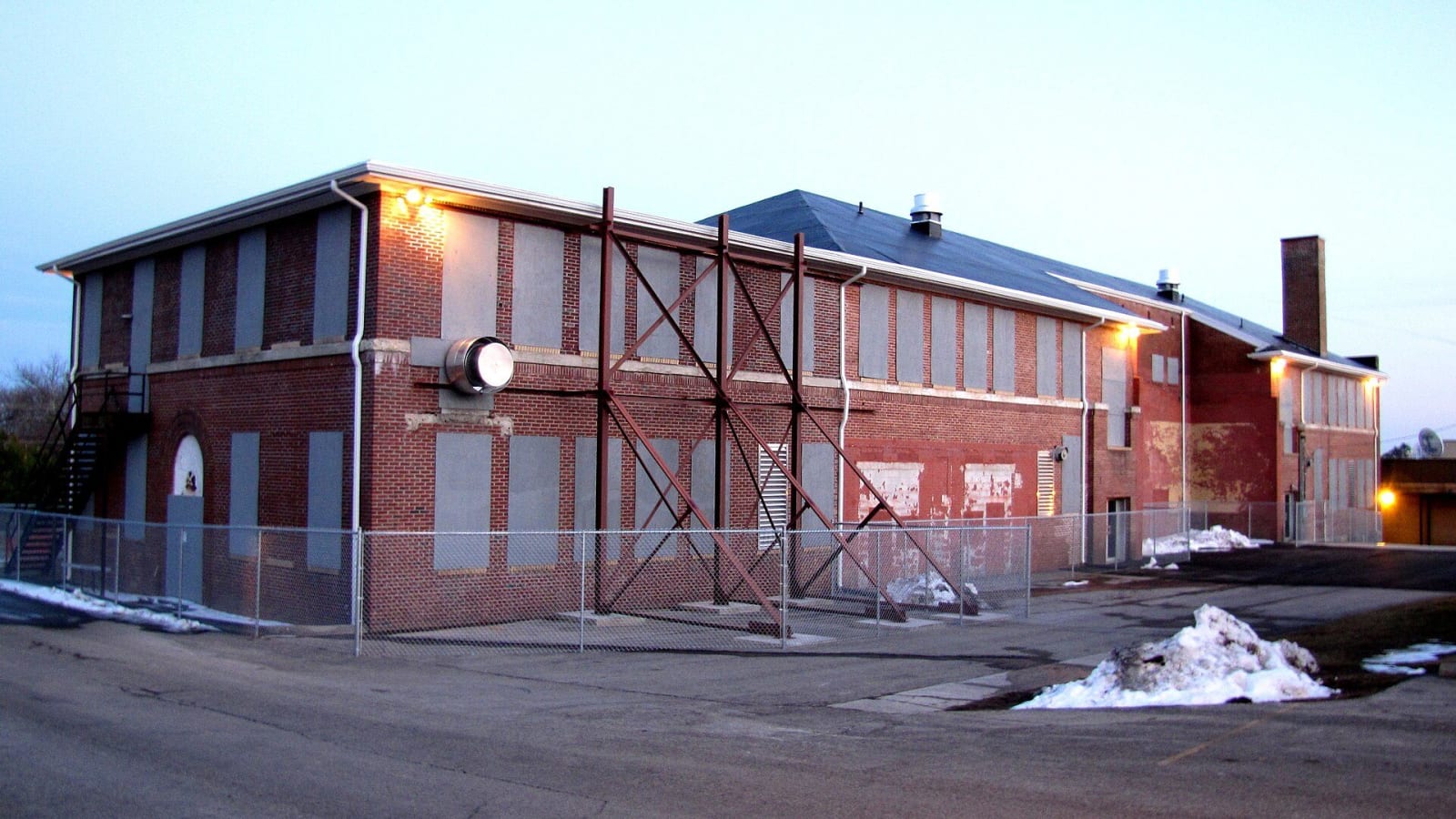
Today it is the only state-owned and state-operated high school in Tennessee, on more than 14,000 acres, and the state named it Tennessee's Center for Rural Education in 1986. The original brick administration building, listed on the National Register in 1991, deteriorated after a newer building opened in the 1980s. The state proposed demolishing it in 2008, and the Sgt. York Patriotic Foundation took on its restoration.
The man, the farm and the war are at Sgt. Alvin C. York State Historic Park, and the resettlement community York later ran is at Cumberland Homesteads.