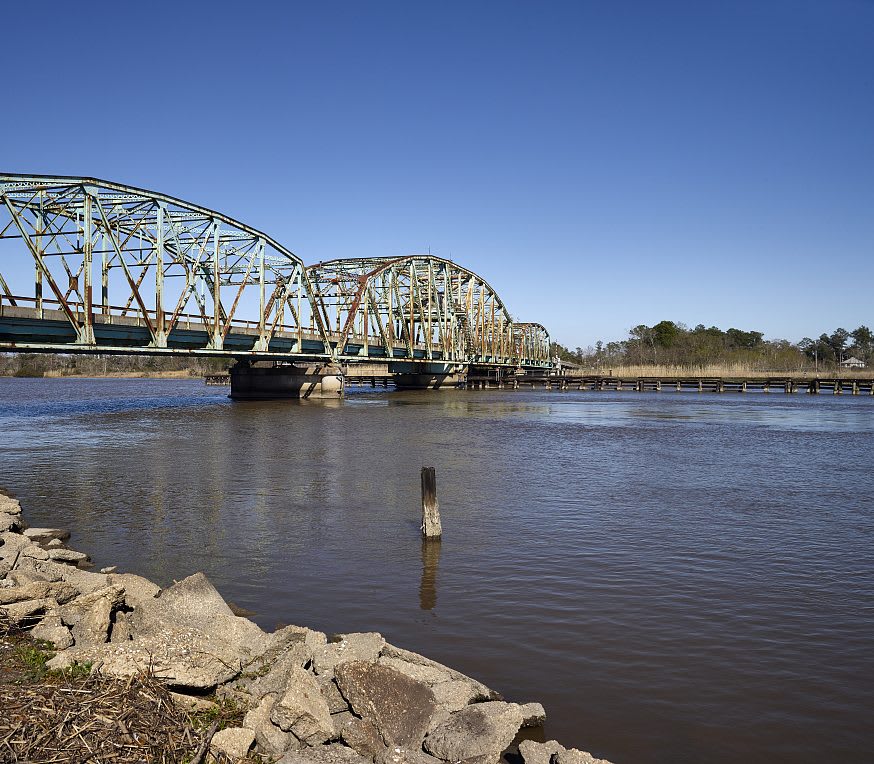
Mack Charles Parker was 23 in the spring of 1959, a Black man from Lumberton, Mississippi, who had come home from military service to support his widowed mother and younger siblings. On the night of April 24, three days before his trial for rape was to begin, masked white men took him from the Pearl River County jail in Poplarville, beat him and killed him. The Justice Department's own file records doubt about the charge against him, and no one was ever tried for his death.
On the night of February 23, a white woman was abducted and raped after her family's car stalled on a highway. She described her attacker as a middle-aged Black man. Parker was arrested the next day and denied it. The Justice Department's 2023 closing memorandum says the FBI file gives reason to doubt his guilt: the woman could not identify him, was unsure he was the man, and at one point described someone older and lighter-skinned. A grand jury indicted him, his lawyers were Black, and his trial was set for Monday, April 27. His guilt was never tested in a courtroom.
April 24
Between 20 and 30 men met on a road outside Poplarville that Friday evening. Eight to ten of them, masked, entered the jail with keys supplied by the jailer, Deputy Jewel Alford. They beat Parker and drove him toward the Pearl River bridge on the Louisiana line. The FBI concluded he was most likely shot on the bridge and thrown into the river. Two marshals did not intervene. On May 4 his body was found in driftwood about two and a half miles downstream and identified by fingerprints; he had been shot twice.
Two grand juries
The FBI sent scores of agents. Two men, C. C. Reyer and Arthur Eugene Smith, confessed to attending the planning meeting, and the bureau's 370-page final report named 23 subjects. On May 25 the Justice Department stepped back, saying no federal kidnapping law had been violated. In November a Pearl River County grand jury of 18 white men heard no FBI witnesses, the Justice Department says, because District Attorney Vernon Broome called none, and returned no indictments. Attorney General William Rogers called that failure a flagrant miscarriage of justice. In 1960 a federal grand jury of 22 white men and one Black man met and also declined to indict.
The file closes
The FBI reopened the case in 1989, in 1997 and in 2008, when it found 35 people of interest, all dead or unidentifiable. One surviving subject, Harold Pierre Carver Jr., one of those two marshals, died on August 1, 2019. On August 30, 2023, the Civil Rights Division closed the file. It cited the statute of limitations, the deaths of key witnesses and what it called insurmountable obstacles to a kidnapping case, and it said it had been unable to reach Parker's next of kin.
The forests and wetlands of the Pearl River basin are interpreted at the Crosby Arboretum. The coast's other civil rights story from these years stands on the beach at the Biloxi Beach Wade-In Marker.