In 1881 Atlanta had more laundresses than male common laborers, and nearly all of them were Black women. The historian Tera W. Hunter, in To 'Joy My Freedom, found that about 98 percent of the city's Black working women did household work, many from girlhood into old age. Washing was the hardest of it. A laundress hauled water from wells, pumps or hydrants, made her own lye soap and wheat-bran starch, scrubbed in tubs cut from beer barrels and pressed with heavy irons heated in turns. The pay ran $4 to $8 a month, and some employers paid late or not at all.
Because they worked in their own homes and yards, washerwomen kept a measure of independence that cooks and maids living in white households did not. In the summer of 1881 they used it.
Twenty women
In July about twenty laundresses met in a Black church and formed the Washing Society. They set one price for the whole city, $1 for every dozen pounds of wash. Black ministers helped call a mass meeting, and on July 19 the society declared a strike. Members went door to door through the neighborhoods and signed up white washerwomen as well as Black. Within three weeks the strikers numbered about 3,000.
The timing was pointed. Atlanta was preparing for the International Cotton Exposition, opening that October, and expected crowds who would need clean linen. Waiters at the National Hotel struck too, and cooks, maids and nurses pressed for higher wages of their own.
The city answers
The Atlanta Constitution dismissed the strike at first and soon had to report its strength; Hunter reads the paper as speaking for the strike's opponents. Police arrested strikers for disorderly conduct as they made their rounds, and the courts fined them. One woman who could not pay was sentenced to forty days on the chain gang. Members of the city council proposed charging every member of a washerwomen's organization a $25 annual license, and offered tax breaks to anyone who would open a steam laundry to replace them.
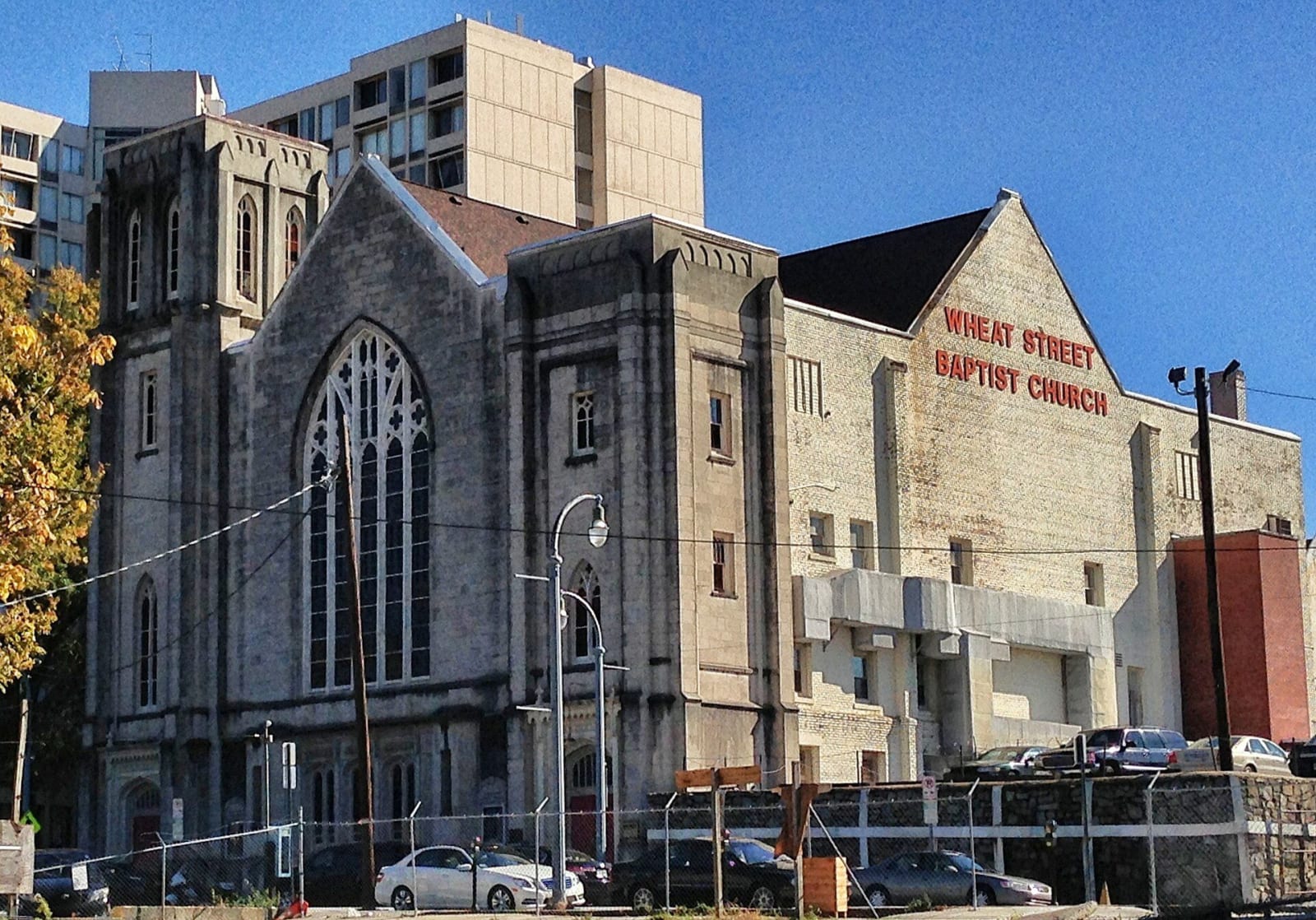
The women turned the threat around. In a letter to Mayor James W. English dated August 1 and printed in the Constitution two days later, they wrote that they would hold to their pledge and would pay $25 or even $50 for licenses "as a protection," if that meant control of the city's washing. They signed it from five societies with 486 members and asked to hear from the council by Tuesday. About 500 strikers met at Wheat Street Baptist Church in early August.
What it won
The council dropped the license fee. Some washerwomen won the higher rate, but Hunter notes that many did not, that wages stayed low, and that a second strike threatened during the Exposition never came. Historians have since read the strike as proof of how much the New South city depended on Black women's work, and the National Museum of African American History and Culture describes it as the largest strike African Americans had yet mounted. What became of the Washing Society afterward is not known.
Wheat Street Baptist's congregation still worships on Auburn Avenue, a short walk from the Martin Luther King Jr. National Historical Park.