Tupelo & the Golden Triangle
Chickasaw homeland, Civil War fields where Black soldiers fought, and the roots of Elvis, Howlin' Wolf and Tennessee Williams in Mississippi's northeast corner.
This was Chickasaw country long before it had county lines. Near Tupelo, the Chickasaw Village Site on the Natchez Trace Parkway marks a settlement the Chickasaw defended against French attack in 1736, and the council house site at Pontotoc recalls the 1832 Treaty of Pontotoc Creek, which ended with the Chickasaw removed to the West. The Parkway visitor center in Tupelo is a good first stop for that history, before the towns and battlefields that came after.
In 1864 the region became a war zone. At Brices Cross Roads and Tupelo, Black soldiers of the United States Colored Troops fought here, and at Corinth a contraband camp sheltered people who had freed themselves from slavery. Waverley, near Columbus, tells the other side of that story, through the more than a hundred people enslaved on its land, and the Corinth center explains why railroads drew armies here.
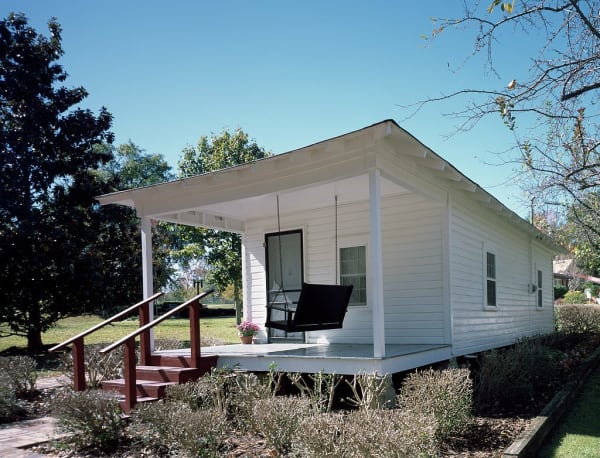
Later voices carried farther. Elvis Presley was born in a two-room house in Tupelo, beside the neighborhood known as Shake Rag and its blues. Howlin' Wolf is remembered in West Point, and Tennessee Williams is honored in Columbus. Tishomingo State Park, in the hills near the Alabama line, gives the drive a quiet stretch of creek, rock and forest between the towns.
What to See in Tupelo & the Golden Triangle
12 places across the region, grouped by what they are.
Natural Areas
Historic Sites
Towns & Gateways
Architecture
Tupelo & the Golden Triangle rewards the unhurried. Pick a base, fan out, and let the country between the headline stops surprise you.
← Explore more of Open Road Guide