West Virginia · Region

The Southern Coalfields

Matewan and the Mine Wars Museum, Blair Mountain, Welch's courthouse steps, Kimball's memorial to Black veterans and the coal operators' mansions of Bramwell.

12 places to explore

The names here are older than coal. The Guyandotte's is said to come from a Shawnee word, and the Tug Fork's from a 1756 Virginia expedition against the Shawnee that lost its supplies in the rapids. Logan and Mingo counties carry the name of Tahgahjute, the Haudenosaunee leader called Logan, and of the Mingo, Six Nations people of the upper Ohio. Chief Logan State Park tells his story and names the Aracoma tale as legend.

The railroads opened the Pocahontas and Tug Fork seams in the 1880s and 1890s. Operators built mansions at Bramwell, near the sandstone fin of Pinnacle Rock, while Black miners and immigrants filled the company towns. Kimball's 1928 memorial honors McDowell County's Black veterans, and Bluefield State began in 1895 as a college for Black families. In Williamson the Coal House is built of the seam itself, and Twin Falls sits on land the coal companies gave away.

Then came the mine wars. Ten people died on Matewan's Mate Street in May 1920, and the Mine Wars Museum keeps the record. Sid Hatfield and Ed Chambers were shot on the courthouse steps in Welch in 1921, and thousands of armed miners marched to Blair Mountain. In Whitesville a granite monument names the 29 men killed at Upper Big Branch in 2010.

What to See in The Southern Coalfields

12 places across the region, grouped by what they are.

Geology & Rock Formations
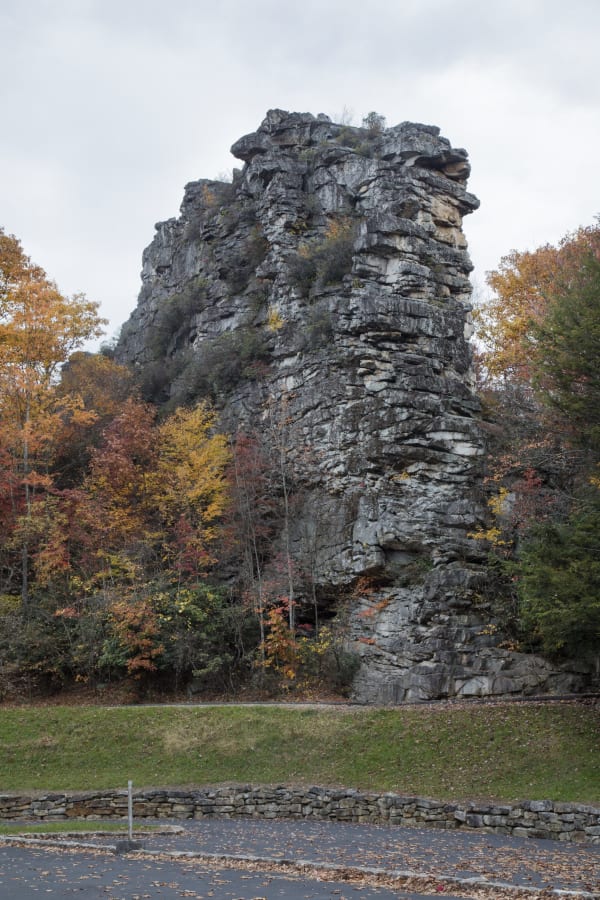
A tall fin of layered gray sandstone rising above autumn trees and a stone wall at the edge of a parking area.

Pinnacle Rock State Park

Bramwell

A sandstone hogback standing out of the Abbs Valley Anticline beside US 52 between Bluewell and Bramwell, in a 1938 day-use park with a fishing lake.

View details →

Natural Areas

Twin Falls Resort State Park

Mullens

A Wyoming County ridge park named for Foley Falls and Black Fork Falls, with a restored pioneer farm built around an 1835 cabin.

View details →

Hikes & Trails

Chief Logan State Park

Logan

A 4,000-acre park north of Logan named for Tahgahjute, the Haudenosaunee leader known as Logan, with a state museum branch and a wildlife center.

View details →

Historic Sites

Blair Mountain Battlefield

Blair

The Spruce Fork ridge where armed miners marching to free jailed union men fought Logan County's deputies and mine guards for five days in 1921.

View details →

Bluefield State University

Bluefield

Founded in 1895 as Bluefield Colored Institute to serve the Black families of the coalfields, a historically Black campus on Rock Street in Bluefield.

View details →
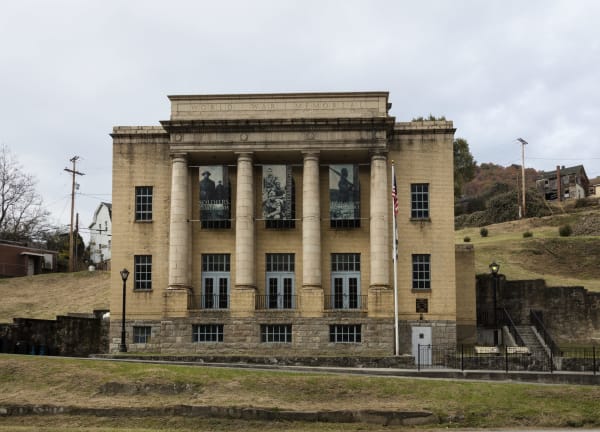
A two-story yellow brick building with four tall columns and WORLD WAR MEMORIAL cut above them, banners hung between the columns, on a grassy hillside.

Kimball War Memorial

Kimball

The first building in the country raised to honor Black veterans of the First World War, dedicated in 1928 in a McDowell County coal town and rebuilt after a 1991 fire.

View details →
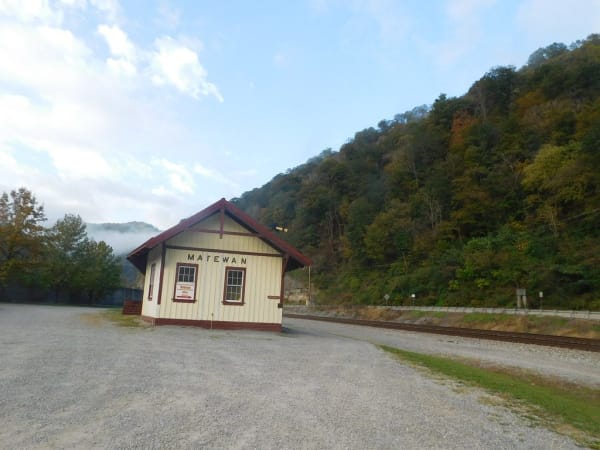
A small cream-and-red depot lettered MATEWAN on a gravel lot beside railroad tracks, with a wooded cliff rising behind.

Matewan Historic District

Matewan

The Tug Fork railroad town where ten people were shot dead on May 19, 1920, a National Historic Landmark of double-fronted brick stores behind a floodwall.

View details →

McDowell County Courthouse

Welch

The 1893 Romanesque Revival courthouse on the hill above Welch, on whose steps Sid Hatfield and Ed Chambers were shot dead on August 1, 1921.

View details →

Upper Big Branch Miners Memorial

Whitesville

A granite memorial in Whitesville to the 29 men killed in the Upper Big Branch mine explosion of April 5, 2010, built where the town kept its vigil.

View details →

West Virginia Mine Wars Museum

Matewan

A people's history museum on Mate Street in Matewan, holding the largest collection of Mine Wars artifacts, from company scrip to shell casings picked up on Blair Mountain.

View details →

Architecture

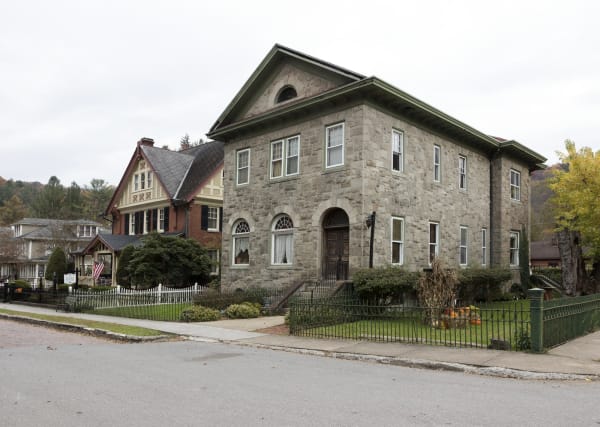
A two-story stone house behind an iron fence on a quiet street, with a gabled Victorian house beside it and wooded hills behind.

Bramwell Historic District

Bramwell

The Bluestone River town where Pocahontas Coalfield operators built Victorian mansions, once called the richest small town in America.

View details →

Coal House

Williamson

A 1933 building in downtown Williamson whose walls are 65 tons of hand-sawn bituminous coal, beside the Mingo County Courthouse.

View details →

The Southern Coalfields rewards the unhurried. Pick a base, fan out, and let the country between the headline stops surprise you.

← Explore more of Open Road Guide