Lubbock & the South Plains
Lubbock and the South Plains: Lubbock Lake Landmark, the Ranching Heritage Center, Buddy Holly, windmills, Blanco Canyon, C. W. Post's model town and the Muleshoe cranes.
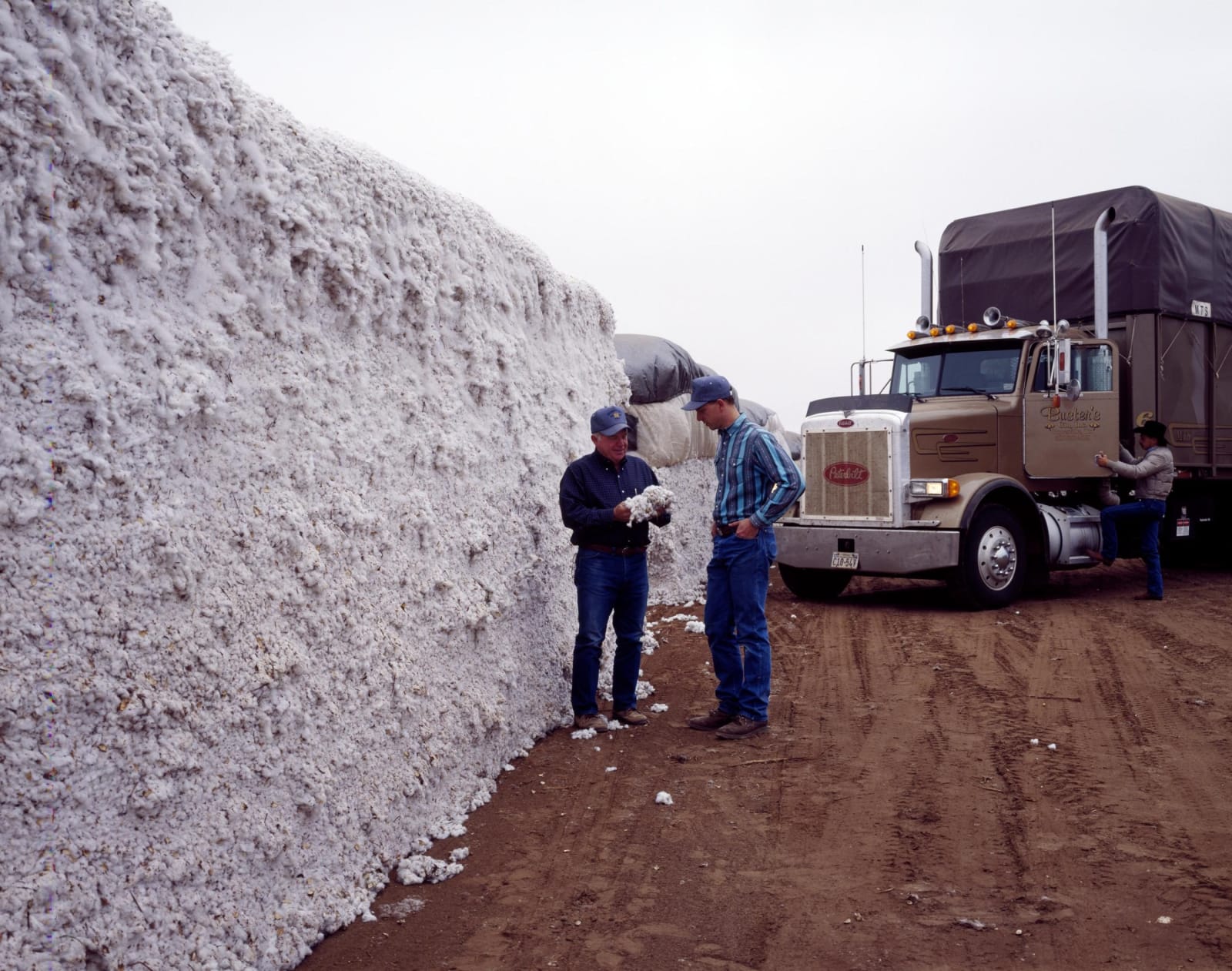
South of the Panhandle the Llano Estacado goes on as the South Plains, level cotton land watered from wells and broken only by playa lakes and the draws that run east to the Caprock. Lubbock is its city. Two rival town sites, Old Lubbock and Monterey, agreed in December 1890 to merge, and the new town was elected county seat in 1891. The legislature placed Texas Technological College here in 1923, and Buddy Holly grew up here; the Buddy Holly Center stands in the Depot District.
On the north side of the city, Lubbock Lake Landmark in Yellow House Draw holds evidence of nearly 12,000 years of people living along the draw, from hunters of extinct bison to the Comanche and the buffalo hunters. Texas Tech also runs the National Ranching Heritage Center, a park of ranch houses and barns moved in from across the state, and the American Windmill Museum shows the machines that made the plains ranchable.
East of town the plains break off into Blanco Canyon, a campground long before Col. Ranald Mackenzie's supply camp of 1871. Below the escarpment is Post, the model town that cereal maker C. W. Post began in 1907, with trees on every street and no saloons. Near the New Mexico line, Muleshoe National Wildlife Refuge, the oldest in Texas, draws wintering sandhill cranes to its saline lakes.
What to See in Lubbock & the South Plains
9 places across the region, grouped by what they are.
Natural Areas
Historic Sites
Towns & Gateways
Architecture
Industry & Mining
Lubbock & the South Plains rewards the unhurried. Pick a base, fan out, and let the country between the headline stops surprise you.
← Explore more of Open Road Guide