Abilene & the Forts Trail
Abilene and Frontier Texas!, Fort Phantom Hill's chimneys, Fort Griffin and the Flat, Albany's Old Jail Art Center, Buffalo Gap and the oil towns from Cisco to Breckenridge.
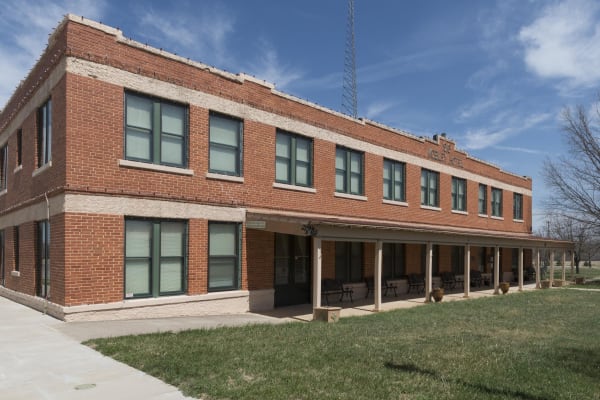
Abilene is the hub of the Texas Forts Trail, a state heritage route that links the frontier posts of the 1850s to the 1870s. Cattlemen and the Texas and Pacific Railway founded the city in 1881 and named it for Abilene, Kansas, the cattle town at the end of the Chisholm Trail. Frontier Texas! downtown is the trail's visitor center and tells the frontier story with shows and exhibits. Three universities and Dyess Air Force Base anchor the modern city.
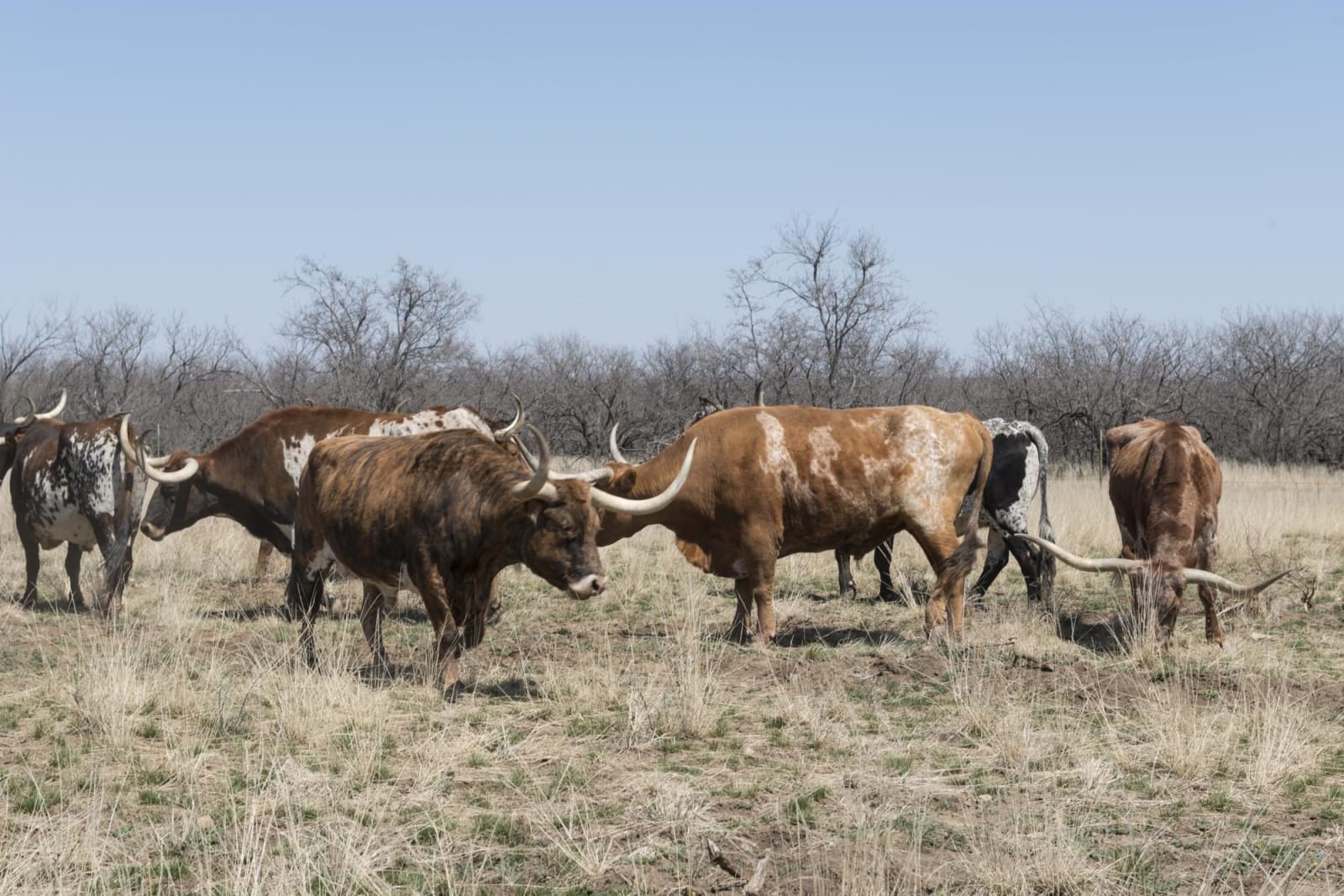
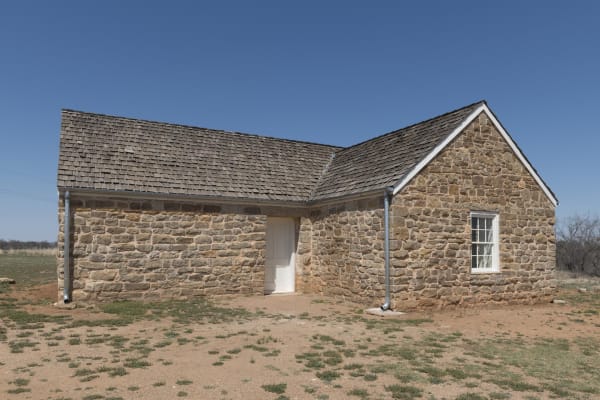
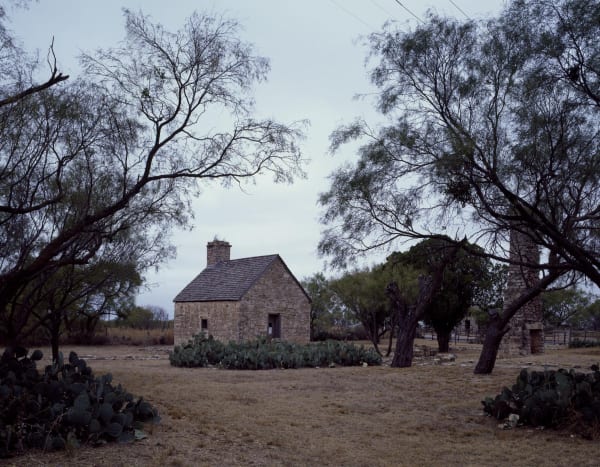
North of the city, the chimneys of Fort Phantom Hill stand in a field. The army built the post in 1851 and left it in 1854, and fire destroyed most of it; it later served as a Butterfield stage station. Fort Griffin, built in 1867 above the Clear Fork of the Brazos, had Tonkawa scouts, and below it the Flat became a wild buffalo-hide town. Fort Griffin State Historic Site keeps a part of the official Texas longhorn herd. Nearby Albany has the Old Jail Art Center in a stone jail of 1877.
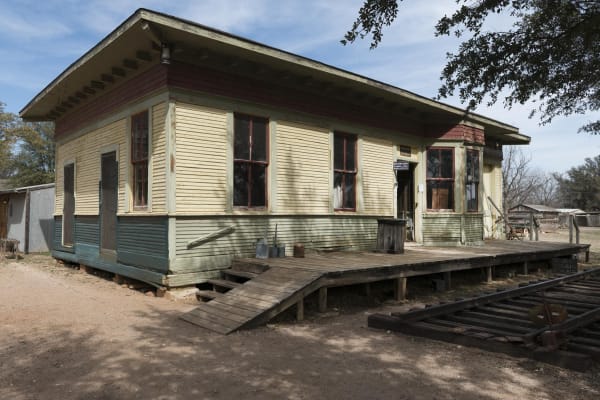
South of Abilene, Buffalo Gap was the first Taylor County seat, and its historic village gathers old buildings around the stone courthouse and jail. Farther east, the oil boom that began at Ranger in 1917 ran through Cisco, where Conrad Hilton bought his first hotel in 1919, and on to Eastland and Breckenridge.
What to See in Abilene & the Forts Trail
9 places across the region, grouped by what they are.
Hikes & Trails
Historic Sites
Towns & Gateways
Roadside Stops
Abilene & the Forts Trail rewards the unhurried. Pick a base, fan out, and let the country between the headline stops surprise you.
← Explore more of Open Road Guide